
Leading paragraph
Low prices look attractive. But unstable quality quietly creates complaints, returns, and lost trust. Many distributors only realize the damage when it is already too late.
Snippet paragraph
Consistent batch quality matters more than low price because it reduces returns, protects distributor reputation, and ensures stable long-term sales, while low prices often hide higher operational and relationship costs.
Transition paragraph
I have worked with many distributors over the years. Most problems do not start with price. They start after the second or third batch. That is where real differences appear. Let me explain why this happens and how distributors can avoid these risks.
The Hidden Cost of Low-Price Products for Distributors?
Leading paragraph (PAS)
Cheap products promise higher margins. But hidden costs slowly eat those margins away. Many distributors do not calculate these losses clearly.
Snippet paragraph
Low-price products often increase hidden costs like returns, rework, inventory waste, and customer support, which reduces real profit for distributors over time.

Dive Deeper
When I talk to distributors, I often hear the same sentence. “The price is good, so we can fix small issues.” This thinking looks reasonable at first. But in real operations, small issues repeat. They do not stay small.
Low-price products usually rely on unstable raw materials, loose process control, or frequent supplier changes. This leads to batch differences. Color changes. Thickness shifts. Surface feel changes. Each issue creates a cost that does not appear on the invoice.
Here are the most common hidden costs I see.
| Hidden Cost Type | How It Appears | Who Pays the Price |
|---|---|---|
| Returns and claims | Customers reject inconsistent batches | Distributor |
| Rework | Extra labor to fix problems | Distributor or customer |
| Inventory loss | Unsellable mixed batches | Distributor |
| Extra communication | Time spent explaining problems | Sales team |
| Delayed payments | Customers hold payments | Cash flow |
These costs do not appear once. They repeat with every unstable batch. Over time, the total cost is often higher than buying a stable product at a higher unit price.
I have seen distributors lose key customers because one low-price batch failed. The customer did not blame the factory. They blamed the distributor. That is the real cost of low price. It transfers risk from the manufacturer to the distributor.
How Inconsistent Batch Quality Damages Distributor Reputation?
Leading paragraph
Customers expect consistency. When batches change, trust breaks. Once trust is damaged, it is very hard to repair.
Snippet paragraph
Inconsistent batch quality harms distributor reputation because customers associate product problems with the distributor, not the manufacturer, leading to lost trust and reduced repeat orders.

Dive Deeper
From my experience, reputation is the most valuable asset a distributor owns. Price can change. Products can change. Reputation is much harder to rebuild.
Customers do not see your supplier. They see you. When quality changes between batches, customers assume you changed something. They think you lowered standards. Even if the factory caused the issue, the responsibility stays with you.
This damage usually follows a clear path.
| Stage | What Happens | Customer Reaction |
|---|---|---|
| First issue | Small quality difference | Doubt |
| Second issue | Same problem repeats | Complaints |
| Third issue | No clear solution | Loss of trust |
| Final result | Customer switches supplier | Lost account |
In many cases, customers do not even complain loudly. They slowly reduce orders. They start testing other suppliers. Distributors notice the drop too late.
I once worked with a distributor who sold to a large furniture factory. The first batch was perfect. The second batch had slight color difference. The third batch had bonding issues. The factory stopped ordering without a long argument. The distributor lost years of relationship because of three batches.
This is why I always say consistency is not a technical issue only. It is a brand issue. Every unstable batch sends a signal. And that signal usually says, “You are not reliable.”
Why Stable Batch Quality Protects Long-Term Customer Relationships?
Leading paragraph
Customers want stability. They plan production based on trust. Without consistency, long-term cooperation cannot survive.
Snippet paragraph
Stable batch quality protects long-term customer relationships by reducing risk, simplifying production planning, and building trust that leads to repeat and larger orders.

Dive Deeper
Long-term customers do not chase the lowest price every time. They chase safety. They want to know that next month’s order will behave the same as last month’s order.
Stable batch quality creates this safety. It allows customers to standardize processes. It reduces checks. It lowers stress for production managers.
Here is what stable quality changes for customers.
| Area | With Stable Quality | With Unstable Quality |
|---|---|---|
| Incoming inspection | Simple or reduced | Strict and time-consuming |
| Production planning | Predictable | Constant adjustment |
| Waste rate | Low | High |
| Supplier trust | Strong | Weak |
When customers feel safe, they order more. They plan long term. They accept reasonable price adjustments. This directly benefits distributors.
I have seen customers stay with distributors even when prices increased. The reason was simple. “We know your product will not cause problems.” That sentence is more powerful than any discount.
Stable batch quality turns transactions into partnerships. It shifts discussions from price to planning. And once a customer plans with you, they rarely leave.
What Consistent Batch Quality Really Means in Manufacturing?
Leading paragraph
Many people misunderstand consistency. It is not luck. It is a system. Without a system, stability is impossible.
Snippet paragraph
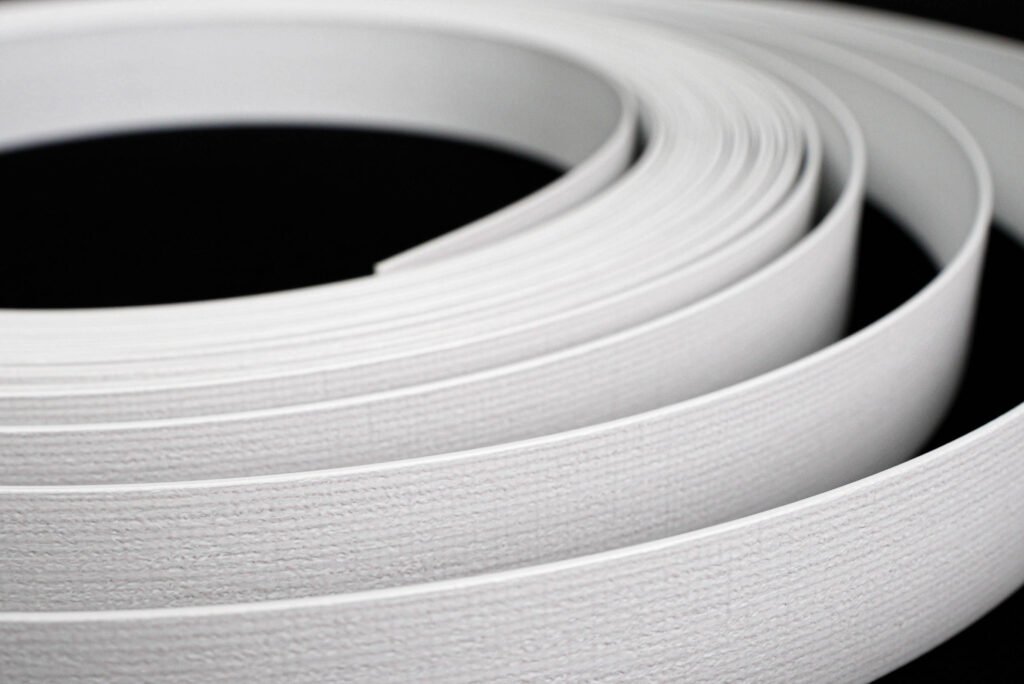
Consistent batch quality in manufacturing means stable raw materials, controlled processes, clear standards, and documented systems that ensure every batch performs the same.
Dive Deeper
Consistent quality does not happen by accident. It comes from discipline. From my side as a manufacturer, I know how difficult it is. And I also know why many low-price suppliers cannot achieve it.
True batch consistency includes several layers.
Raw Materials Control
Suppliers must use stable sources. Frequent material changes cause differences in color, strength, and performance.
Process Control
Machines, temperatures, speeds, and formulas must stay within defined limits. Small changes create visible results.
Quality Standards
Clear internal standards matter more than final inspection. Inspection can catch problems. Standards prevent them.
Documentation and Traceability
Every batch must be traceable. Without records, problems repeat.
| Consistency Element | Why It Matters |
|---|---|
| Fixed formulations | Prevents performance shifts |
| Stable suppliers | Reduces variation |
| Process records | Allows correction |
| Internal testing | Detects issues early |
Factories that focus only on price usually cut corners in these areas. They react instead of control. That is why their quality changes from batch to batch.
When I say consistent batch quality, I mean predictability. I mean the distributor does not need to worry about surprises. That level of control costs money. But it saves much more across the supply chain.
How Distributors Can Evaluate Batch Consistency Before Choosing a Supplier?
Leading paragraph
Many distributors choose suppliers too fast. They look at samples and price. They forget to test consistency.
Snippet paragraph
Distributors can evaluate batch consistency by checking supplier systems, testing multiple batches, reviewing documentation, and asking process-focused questions before cooperation.

Dive Deeper
From my experience, distributors have more power than they think. You do not need to be a factory expert. You need to ask the right questions and observe patterns.
Here are practical ways I recommend.
Test More Than One Batch
One sample proves nothing. Two or three batches show the truth.
Ask System Questions
Not “Is your quality good?” but “How do you control it?”
Review Records
Serious factories can show testing data and batch records.
| Evaluation Step | What to Look For |
|---|---|
| Multi-batch samples | Consistent color and performance |
| Raw material policy | Fixed or flexible sourcing |
| Process documentation | Clear and structured |
| Quality response | Root cause analysis, not excuses |
I also suggest watching how suppliers react to problems. Do they deny? Or do they explain and improve? This attitude predicts future cooperation.
Choosing a supplier is not about one order. It is about many future orders. Distributors who evaluate consistency early avoid painful corrections later.
Conclusion
Low price wins orders. Consistent batch quality keeps customers. For distributors, stability is not a cost. It is the foundation of long-term profit.
Data Sources & References
- Harvard Business Review – Competing on Reliability
https://hbr.org/1991/11/competing-on-reliability - McKinsey & Company – The True Cost of Quality
https://www.mckinsey.com/capabilities/operations/our-insights/the-true-cost-of-quality - ISO – ISO 9001 Quality Management Systems
https://www.iso.org/iso-9001-quality-management.html - ASQ (American Society for Quality) – Cost of Poor Quality
https://asq.org/quality-resources/cost-of-poor-quality