
Pain: I lost sales to bigger brands and copycats.
Agitate: I could not control price or shelf presence.
Solve: Private label edge banding changed that fast.
Distributors choose private label edge banding because it boosts margins, speeds market reach, and gives control over product image and packaging.

I want you to keep reading. This strategy is practical. It has real numbers behind it. I will show the steps I use and the checks I run before I sign a supplier.
What Private Label Edge Banding Offers to Growing Distributors?
Pain: I once stocked only commodity trims. Orders were low margin.
Agitate: Buyers saw no reason to choose my line over cheaper imports.
Solve: Private label edge banding gave my catalog a brand identity.
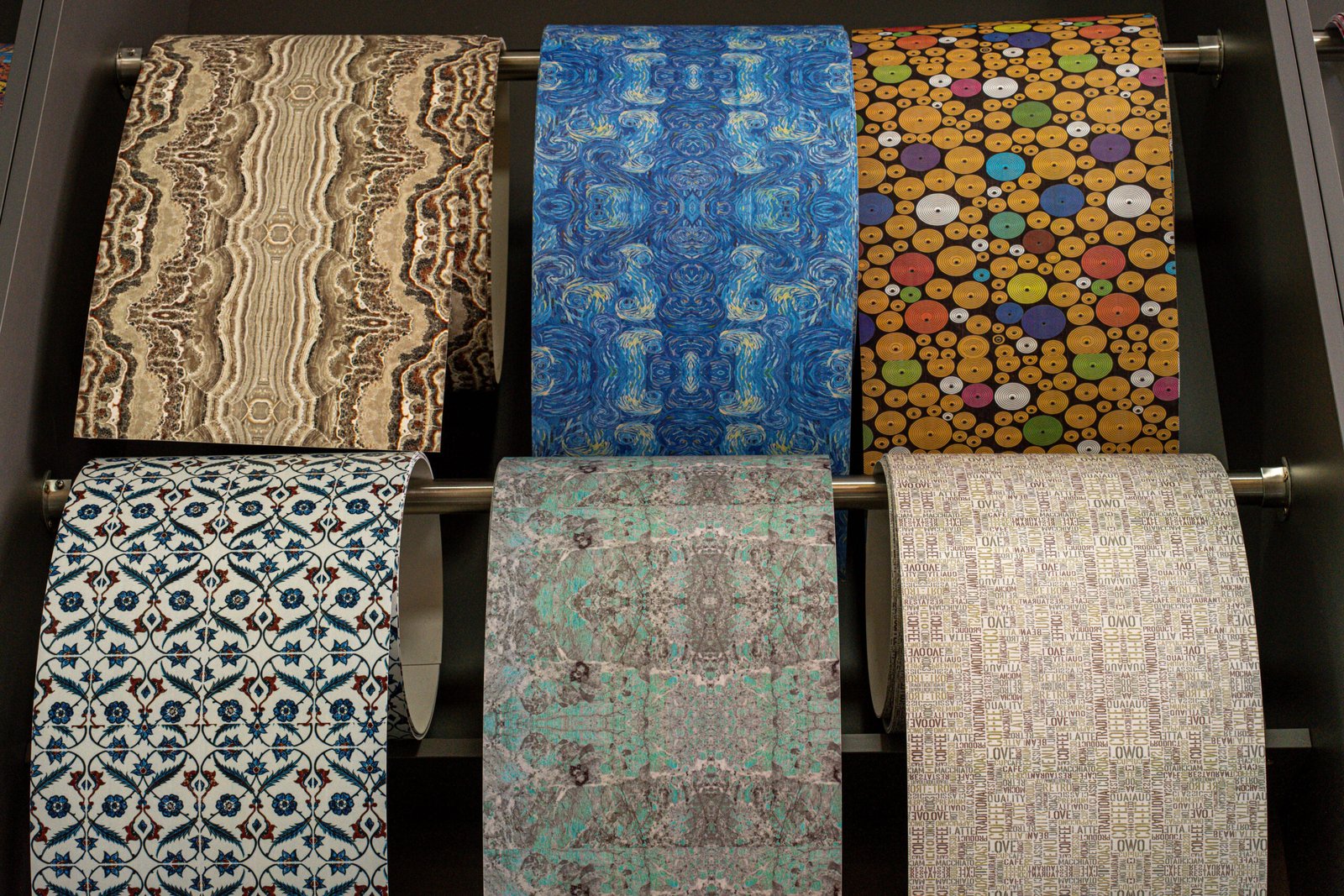
Private label edge banding lets distributors sell branded edge trims without owning a factory. Suppliers make the product, print packaging, and meet retailer specs. This reduces capital needs and speeds launch.

What I look for in an offering
| Offer | Why it matters |
|---|---|
| Branded packaging | Helps product stand out |
| Barcodes and retail packs | Eases listing and stocking |
| Multiple materials | Lets me target budget and premium buyers |
| Small MOQ options | Lets me test SKUs without big cost |
I use private label to create an exclusive line. Exclusive lines let me pitch installers and retailers with something unique. I can offer a signature color or a unique profile. That difference helps in a crowded market. Private label also reduces my dependence on commodity price swings. When raw material costs rise, I can protect margins with a branded positioning. The market for edge banding is growing. Analysts report the global edge banding materials market at about USD 1.6 billion in 2024. That growth gives me options to expand.
Why Private Label Products Help Distributors Stand Out in Competitive Markets?
Pain: Competing on price eroded profits.
Agitate: Customers bought the cheapest available trims.
Solve: Private label lets me sell value, not just a low price.
Private label builds a product story. I can tell buyers that my trims have lab-matched colors, consistent batches, and branded packaging. Those points create trust. They also let me charge a premium over unbranded trims. McKinsey notes that private-label programs can expand profit margins and deepen customer loyalty.

How I turn private label into a market advantage
| Tactic | Impact |
|---|---|
| Signature SKUs | Differentiates my catalog |
| Branded sample packs | Helps sales reps close deals |
| Exclusive color lines | Limits direct price comparisons |
| Marketing support from supplier | Speeds my product launches |
I use branded sample packs in two ways. First, my reps bring them to showrooms. Second, I send them in response to online inquiries. Both steps increase perceived value. Packaging matters here. Studies and industry reports show packaging raises conversion and brand recall. I use that leverage to win shelf space and project business-to-business credibility.
How Custom Branding and Packaging Drive Better Customer Loyalty?
Pain: My customers forget me after one order.
Agitate: Repeat orders were low and margins fell.
Solve: Branded packs and consistent quality made repeat business easier.
Custom packaging turns a commodity buy into a branded buy. Clear barcodes, sample inserts, and batch codes make reorders simple. Retailers and installers prefer items that arrive retail-ready. That reduces friction and speeds restocking.

Packaging, loyalty, and the buyer journey
| Packaging element | How it helps loyalty |
|---|---|
| Branded cartons | Builds repeat recognition |
| UPC / SKU labels | Simplifies reorder process |
| Sample cards | Helps field sales and designers |
| Protection & presentation | Reduces damage claims |
I add a small color chart and a product card in each box. This simple insert reduced our return calls. Installers now call us for matching trims. That repeat business increased steadily. Research shows private label overall is rising. In 2024 private label sales reached record levels, growing faster than national brands. This broader consumer shift helps distributors who invest in private label.
The Operational Advantages That Make Private Label Edge Banding Easier to Scale?
Pain: Production hiccups and slow lead times stalled growth.
Agitate: I could not promise steady supply to big buyers.
Solve: The right private label partner gave me capacity and processes.
Private label suppliers can offer tested production lines, QC, and logistics support. They manage MOQs, batch tracing, and export paperwork. That operational backbone lets distributors scale without building factories. Analysts stress that private label adoption improves supply chain control when done right.

Operational checklist I use before scaling
| Area | What I verify |
|---|---|
| Capacity | Can supplier scale if demand spikes? |
| Lead time | What is real lead time including QC? |
| Quality systems | Do they have lab tests and batch codes? |
| Logistics | Can they handle export docs and 3PL? |
| MOQ flexibility | Do they allow staggered shipments? |
I run a staged launch. First, I order a pilot batch. I check production timelines and inspection reports. Then I test shipping and retailer stocking. If the supplier meets the pilot metrics, I increase order size. This method limits risk. It also forces the supplier to prove consistent yields and color matching. The edge banding market is projected to grow, which pressures suppliers to invest in scale and R&D. I pick partners that show these investments.
What Successful Distributors Look For in a Private Label Edge Banding Partner?
Pain: I once chose only on price. Shipments failed QC.
Agitate: Returns and disputes cost me more than savings.
Solve: I now use a clear supplier scorecard.
Top distributors pick partners on quality, communication, and growth capacity. They want labs for color control, packaging options, and transparent pricing. They also want fast response times and willingness to support marketing materials.
My supplier scorecard
| Criterion | Minimum acceptable |
|---|---|
| Lab tests | Adhesion and color reports per batch |
| MOQ | Pilot-friendly, then scalable |
| Lead time | Confirmed and documented |
| Packaging | Custom printing and barcodes |
| Communication | Clear SLAs and time-zone overlap |
| References | At least 2 distributor clients |
I always ask for sample batch reports. I also ask suppliers for references from other distributors. I check how they handled a spike in demand. I ask if they can do small, mixed cartons for retail. Good suppliers treat packaging as a selling tool. They help me design inserts and sample cards. That support helped me win two regional chains in the last year. Private label works when the partnership is tight and measurable.
Conclusion
Private label edge banding gave me margin, control, and repeat business. It scaled my catalog without building factories.
Data sources and links
- IMARC Group — Edge Banding Materials Market Size, Share Report 2025–33. (IMARC Group)
https://www.imarcgroup.com/edge-banding-materials-market - PLMA — Private Label Sales Rose to Record $271 Billion (Circana data), 2024–2025. (PLMA)
https://www.plma.com/article/private-label-sales-rose-39-2024-record-271-billion - McKinsey — The power of private-label brands in distribution. (McKinsey & Company)
https://www.mckinsey.com/industries/industrials-and-electronics/our-insights/the-power-of-private-label-brands-in-distribution - Meyers / Packaging ROI — Custom Packaging Solutions: A Data-Driven Look at ROI and Value. (Meyers)
https://meyers.com/meyers-blog/custom-packaging-solutions-a-data-driven-look-at-roi-and-value/ - Cognitive Market Research — Edge Banding Material Market Report (global estimates). (Cognitive Market Research)
https://www.cognitivemarketresearch.com/edge-banding-material-market-report