
I got excited the first time I saw a laser edgebander. The seam looked perfect. Then orders failed in some markets. (PAS: problem, agitate, solve — short.)
Laser edgebanding gives invisible joins and fast lines. But high cost, special tape, limited colors, repair complexity, and market fit make it a poor choice in some regions.
I will walk you through why laser is great in some uses and risky in others. I will compare laser to hot-melt (EVA/PUR) and hot-air systems. I will show the commercial and practical checks I use before buying a laser line.
What Makes Laser Edgebanding So Attractive in the First Place?
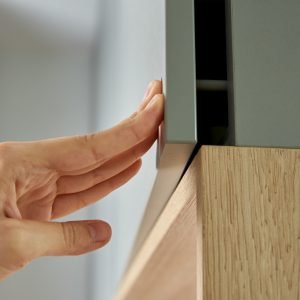
I felt the pull: seamless joints, less manual finishing, and lower visible glue lines. For modern kitchens and premium furniture, laser gives a clean look.
Laser melts a special functional layer on the tape to fuse the edge to the panel. The result is a near-invisible joint, less post-processing, and lower visible glue lines.
Dive deeper: real technical benefits and where they pay off
Laser edgebanding uses a tape with a laser-reactive layer. The laser beam activates that layer and the melted material fuses to the panel edge. The joint is usually flatter and less visible than a hot-melt glue line. The result looks premium and often reduces sanding, scraping, and rework. Suppliers and OEMs advertise higher line speeds and consistent quality. For factories that make thousands of identical panels and sell to high-end kitchens, that consistency matters. Homag and other machine makers promote laser for high-volume invisible joins.
Laser also reduces VOCs because it eliminates hot-melt glue in the joint. This can be a selling point in markets with strict environmental rules or in hygienic uses such as healthcare and food service interiors. Laser joints are cleaner and easier to sanitize since there is less trapped adhesive. Some case studies highlight faster line throughput because less manual finishing is needed. If your customers require flawless joins every time and you have high volumes, laser often improves yield and reduces labor costs.
However, these benefits assume you can buy the right tape, keep machines tuned, and commit to the required maintenance and training. If you can’t, the advantages shrink quickly. I always weigh the visible quality gain against the total cost of ownership and market reality.
Where Laser Edgebanding Falls Short in Cost, Repair, and Practicality
The first hard lesson I learned was cost. Laser machines and compatible tapes are pricier. Maintenance and spare parts add up. Repairs need trained techs.
Laser systems cost significantly more than hot-melt lines. They need special tape, stricter process control, and often more expensive upkeep. That raises the break-even point.
Dive deeper: total cost, repair complexity, and supply constraints
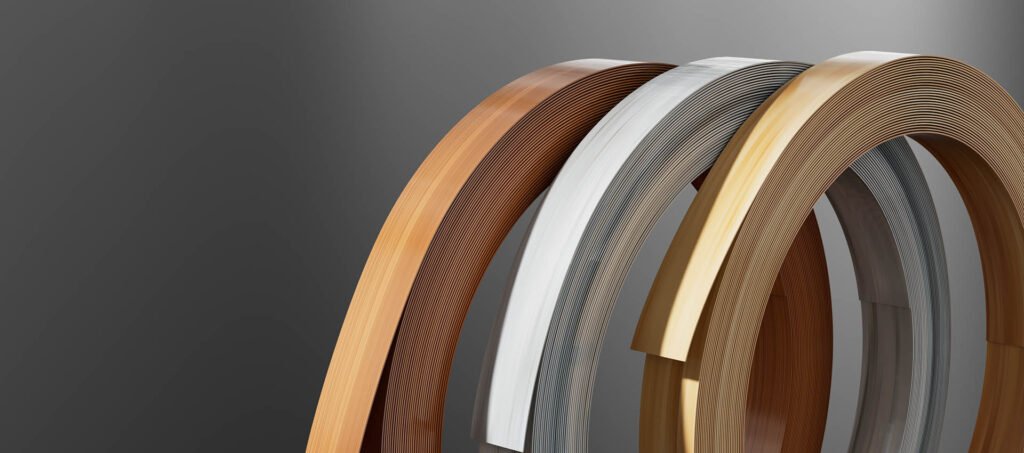
Upfront price is the easiest cost to see. Laser edgebanders can cost many times a basic hot-melt machine. Alibaba listings and equipment guides show a wide price range, but the mid-to-high end is still a large capital step for small shops. More than that, laser edgebanding requires specially manufactured tape. Those tapes have a laser-activatable layer. They are not the same as standard PVC/ABS rolls. The tape cost per meter is often higher. For low-volume operations this raises unit cost.
Maintenance is the second big cost. Laser optics, beam alignment, and laser modules need careful maintenance. If a laser module fails, repairs can be specialized and slow, especially in regions without local service. I had one line down for weeks while waiting for a spare part. That downtime cost more than the expected savings from faster finishing. Training is also not trivial. Operators who know hot-melt rules may still need weeks to master laser set-up, beam safety, and tape selection.
Repairability and field fixes are harder with laser. A bad glue line on a hot-melt job can sometimes be re-glued manually at low cost. A failed laser join often needs rework that matches the original finish, which is harder. Also, laser tape options and colors are narrower. If your market needs lots of bespoke colors or veneer matches, you may struggle to source matching laser tape locally. That forces higher stock levels and longer lead times. All these factors push total cost of ownership up and make laser a risky investment in markets with small runs, wide SKUs, or weak service networks.
Which Markets Benefit Most (and Least) From Laser Edgebanding?
I map markets by volume, end-use, and service support. High-volume, high-visual-quality markets win. Low-volume or cost-sensitive markets lose.
Laser suits premium kitchens, contract furniture, and high-volume producers with consistent SKUs. It is less ideal for small workshops, low-cost markets, or where repair/service is scarce.

Dive deeper: which segments pay back and which do not
I divide markets into a few clear buckets:
- Best fit — premium kitchens, bathroom vanities, and OEMs for major retailers. These buyers demand invisible joins and consistent finish. High volumes mean the capital cost spreads over many parts. The cleaner joint and lower post-processing can justify the investment. Homag and other OEMs target these segments with laser solutions.
- Conditional fit — hospitality, health, and food service. These sectors value hygiene and seamless joints. Laser can be justified where infection control or cleaning regimes require minimal joint lines. However, budgets and SKU variety still matter. If the facility needs many colors and small batches, laser tape supply and cost may be barriers.
- Poor fit — small cabinet shops, boutique makers, cost-sensitive markets, and regions with weak after-sales service. These operations often run many SKUs in small batches. They favor flexible, lower-capex solutions like hot-melt or PUR, where tape choice and repair are easier. Also, in markets where machine service is slow, downtime risk makes laser unattractive.
I always ask two questions before recommending laser: will the buyer volume cover the extra cost within an acceptable payback period? And is reliable technical support nearby? If the answer to either is no, I look at advanced PUR systems or hot-air lines instead.
How to Compare Laser vs Hot Air vs EVA/PUR for Real-World Demand
I run a simple checklist: quality requirement, SKU mix, line speed, capex, service, and tape availability. Each technology has trade-offs.
Laser gives seamless joints and hygiene benefits. Hot-air and PUR deliver strong bonds with flexible tape options and lower capex. EVA is lowest cost but less heat/moisture stable.

Dive deeper: a practical comparison table and decision points
I put the main factors into a table I use when advising buyers.
| Factor | Laser | Hot-air / Hot-melt (EVA) | PUR |
|---|---|---|---|
| Visual seam | Invisible / near-invisible. | Visible glue line unless zero-joint methods used. | Low visible line; strong bond. |
| Capex | Very high. | Low to medium. | Medium to high (equipment for PUR). |
| Tape options | Special laser tape only. | Wide tape variety. | Wide tape variety. |
| Repairability | Harder to rework. | Easier spot re-glue. | Rework possible but needs expertise. |
| VOC / hygiene | Low (no glue line). | Higher (hot melt adhesives). | Low VOC after cure; moisture-cure benefits. |
| Service needs | High (laser optics). | Lower (mechanical/adhesive systems). | Higher (PUR equipment handling). |
| Best for | High-volume premium, hygiene-critical sectors. | Small shops, flexible SKU sets, low capex. | Kitchens, bathrooms, humid environments. |
When I compare technologies, I weigh these points. For example, a small furniture maker with 200 SKUs and short runs benefits more from hot-melt or hot-air. A high-volume supplier to big retailers who make thousands of identical panels may justify a laser to keep finishing costs down. PUR is the right choice when humidity and long-term bond strength matter. Each real-world demand profile points to a different winner.
How to Decide if Laser Edgebanding Is the Right Choice for Your Market
I use a short ROI test and an operational checklist. I also pilot before committing. That reduces risk.
Do a break-even calculation, check tape availability, confirm local service, and run a pilot with real SKUs before you buy a laser line.
Dive deeper: step-by-step buyer checklist and pilot plan
Here is the checklist I apply:
- Volume and SKU analysis. Calculate meters per month for target SKUs. Estimate how many panels will use laser. If volumes are low or SKU count is very high, laser unit cost will be hard to justify.
- Cost model. Include machine capex, tape premium per meter, maintenance, spare parts, and training. Compare to hot-melt/PUR TCO. Use conservative uptime assumptions to model payback.
- Tape & color availability. Confirm suppliers can deliver your color range and pattern at scale and lead times. If your market demands specialty colors, check if laser-compatible tape exists or if veneer/foil alternatives are feasible.
- Service and spare parts. Check local service network for the brand you plan to buy. Ask about mean time to repair and local stock of laser modules and optics.
- Pilot run. Do a short pilot producing the actual SKUs. Test yields, cycle times, and post-processing needs. Include real environmental conditions (dust, humidity) to reveal practical issues.
- Aftercare plan. Train staff. Stock critical spares. Schedule preventive maintenance. Set up a support SLA with the vendor.
I always recommend a pilot. A single pilot run will tell you more than brochures. In one case, my pilot showed color shortages and tape delamination under our humid conditions. That saved us a big capex mistake. If your pilot looks clean, you can scale confidently. If it shows issues, you can choose PUR or improve supplier sourcing.
Conclusion
Laser edgebanding is powerful but not universal. Measure volume, tape supply, service, and TCO. Pilot first and match technology to market need.
Data sources and links
- HOMAG — Edge banders and laserTec: explanation of laser joining and benefits. https://www.homag.com/en/machines/edge-banders-tenoners/edgebanders-and-edge-banding-machines. (homag.com)
- Henkel / Next — Choosing edgebanding technology and comparative cost considerations. https://next.henkel-adhesives.com/us/en/articles/choosing-right-edgebanding-technology-in-volatile-furniture-market.html.
- WOOD TEC PEDIA (Hoechsmann) — Edgebanding with laser technology explanation. https://wtp.hoechsmann.com/en/lexikon/17403/edgebanding_with_laser_technology. (wtp.hoechsmann.com)
- BESTIN Group — Ultimate guide to laser edge banding (technology overview). https://www.bestingroup.com/the-ultimate-guide-to-laser-edge-banding/. (bestingroup.com)
- Henkel (industry insight) — Cost and ROI discussion for laser vs hot-melt. https://next.henkel-adhesives.com/us/en/articles/choosing-right-edgebanding-technology-in-volatile-furniture-market.html. (henkel-adhesives.com)
- Industry supplier listings and price signals (Alibaba and market pages). https://www.alibaba.com/showroom/laser-edgebander.html. (Alibaba)