Furniture brands often focus on panels, hardware, and design. But edge banding supply is where many problems begin. I have seen brands lose orders, delay launches, and damage trust because this detail was ignored.
Many furniture brands believe edge banding is easy to replace. I do not agree. An unstable supply creates hidden risks across cost, quality, and delivery.
If you want stable production, predictable delivery, and long-term brand trust, you need to understand why edge banding supply matters more than most teams think. Let me break it down step by step.
The Role of Edge Banding in Furniture Production Consistency?
Furniture production looks simple on paper. Panels go in. Finished cabinets come out. But edge banding connects design, structure, and appearance in every unit.
Edge banding keeps furniture dimensions stable, protects panels, and completes the visual design. When supply is unstable, consistency disappears fast.
Why edge banding affects production stability
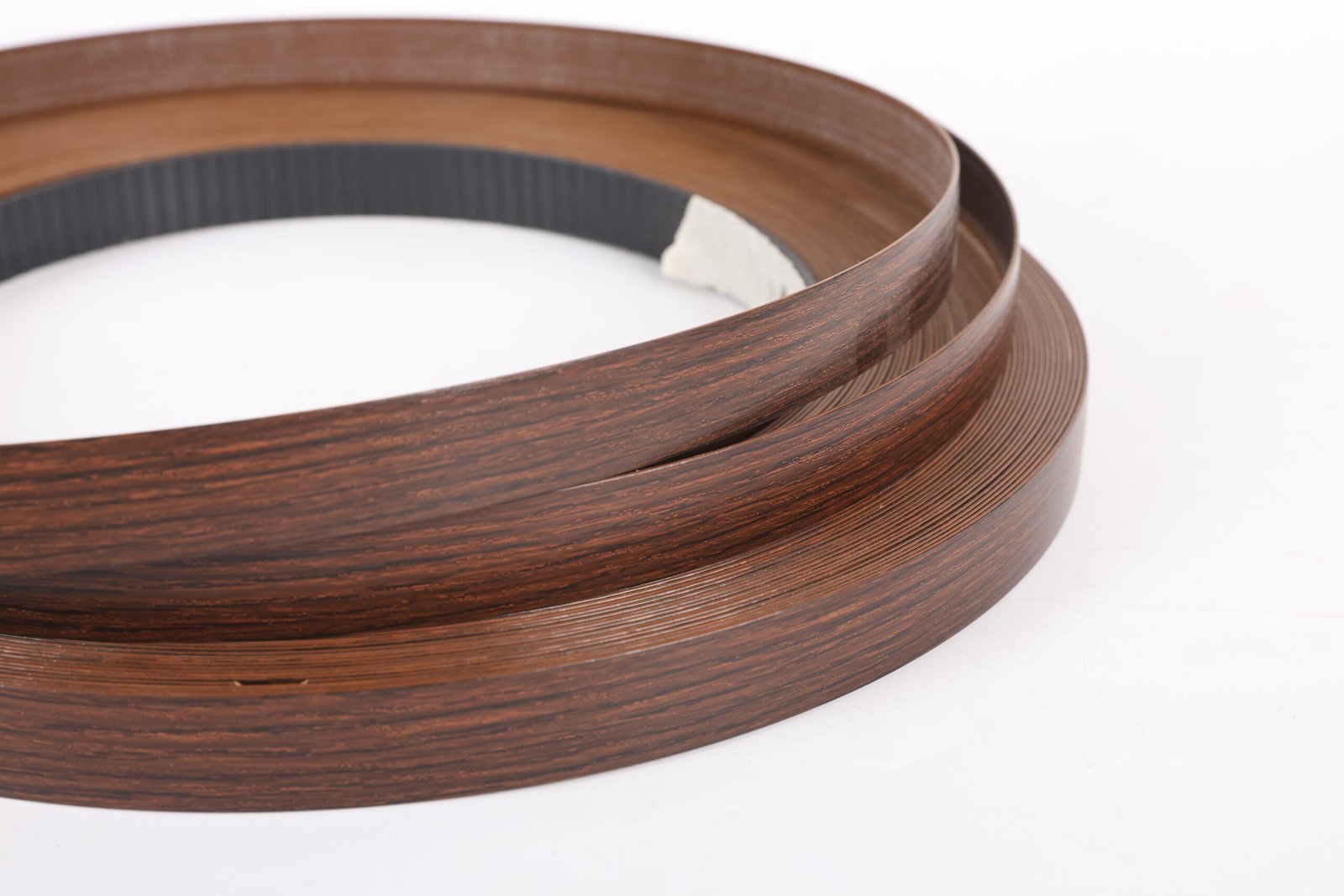
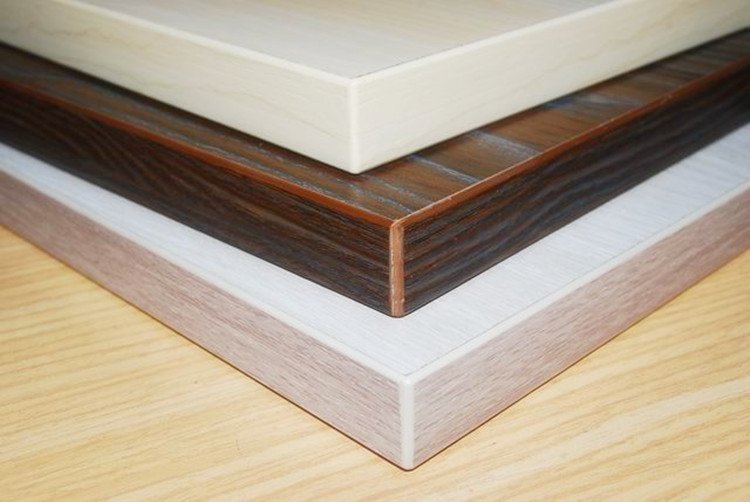
Edge banding is not only a decorative strip. I treat it as a structural component.
- It seals exposed board edges
- It protects panels from moisture
- It defines final color and texture
When edge banding changes, the finished product changes.
How inconsistency shows up on the factory floor
In real production, even small differences create problems.
| Issue | Result on Production |
|---|---|
| Color deviation | Rejected batches |
| Thickness change | Machine re-adjustment |
| Gloss mismatch | Visual inconsistency |
| Adhesion difference | Rework and returns |
Operators notice these issues first. Managers see them later as delays and costs.
My experience with unstable supply
I once worked with a factory that switched edge banding suppliers twice in one year. Each switch required new machine settings. Each change caused scrap. Output dropped, but labor stayed the same.
Production consistency is not only about machines. It depends on stable materials. Edge banding is one of the most sensitive materials in the process.
How Supply Instability Disrupts Furniture Manufacturing Schedules?
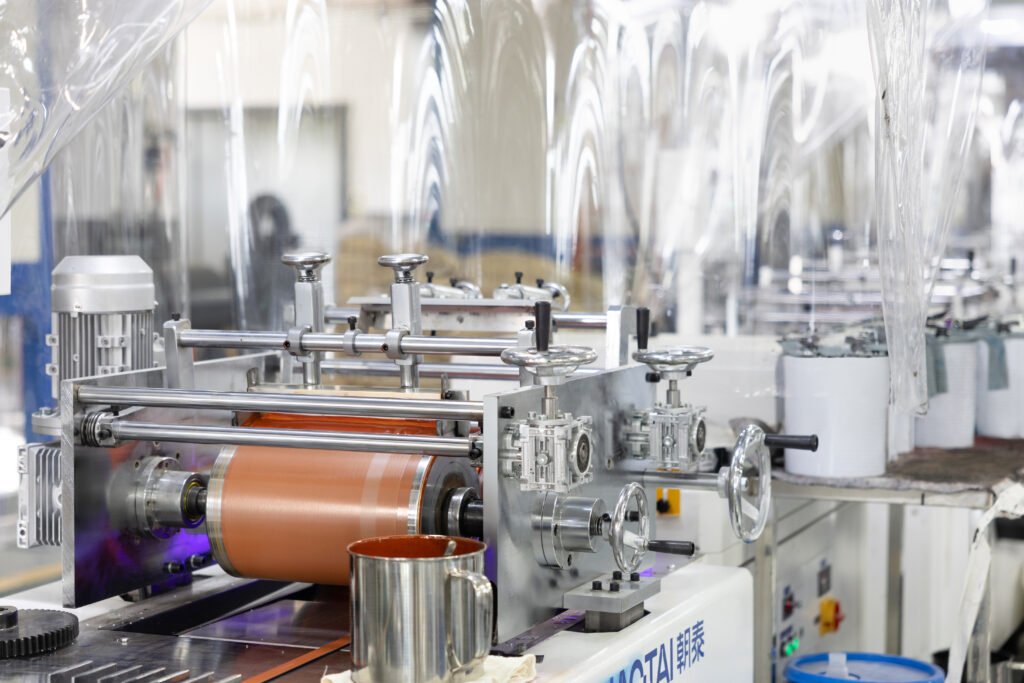
Production plans assume materials arrive on time. When edge banding supply breaks, the entire schedule breaks with it.
Many teams plan panels and hardware weeks ahead. But edge banding is often ordered late. This creates risk.
Where delays really come from
Supply instability appears in many forms.
- Late shipments
- Partial deliveries
- Wrong colors
- Inconsistent batches
Each one forces a decision. Stop production or produce unfinished goods.
Schedule impact in real terms
When edge banding is missing, panels wait. Machines stop. Labor still costs money.
| Situation | Schedule Impact |
|---|---|
| Late edge banding | Line shutdown |
| Wrong color | Production reschedule |
| Quality failure | Rework time |
| Emergency sourcing | Extended lead time |
Even a one-day delay can affect shipping windows. Retail partners and project clients notice this fast.
Why edge banding causes bigger delays than panels
Panels are easier to replace. Edge banding must match exactly. Color, texture, and thickness must align with existing stock.
I have seen factories wait weeks for the “right” edge banding while finished panels sit idle. That inventory ties up cash and space.
Supply instability does not look serious at first. But in scheduling, it multiplies fast.
The Hidden Costs of Unreliable Edge Banding Suppliers for Furniture Brands?
Most brands track material price. Few track instability cost. This is where mistakes happen.
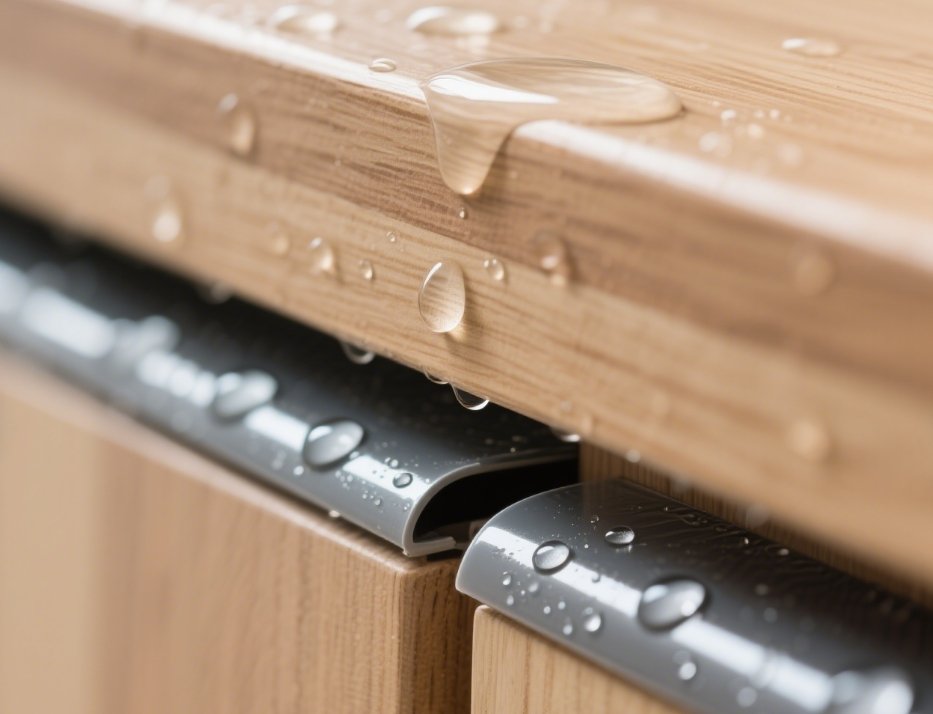
Unreliable suppliers create costs that never appear on a price list.
Direct costs you can measure
Some costs are easy to see.
| Cost Type | Description |
|---|---|
| Scrap | Panels rejected due to mismatch |
| Rework | Extra labor for correction |
| Express shipping | Emergency orders |
| Machine downtime | Lost output |
These costs often exceed the price difference between suppliers.
Indirect costs brands ignore
Other costs hide inside operations.
- Planning time
- Supplier management effort
- Stress on operators
- Loss of focus on core business
These do not show on invoices, but they affect margins.
Long-term cost impact
When instability continues, brands change behavior.
- Smaller batch production
- Higher safety stock
- Conservative delivery promises
Each choice reduces efficiency.
I have seen brands choose a cheaper supplier and then spend more fixing problems. In edge banding, reliability often costs less in the long run.
Why Consistent Edge Banding Quality Matters for Brand Reputation?
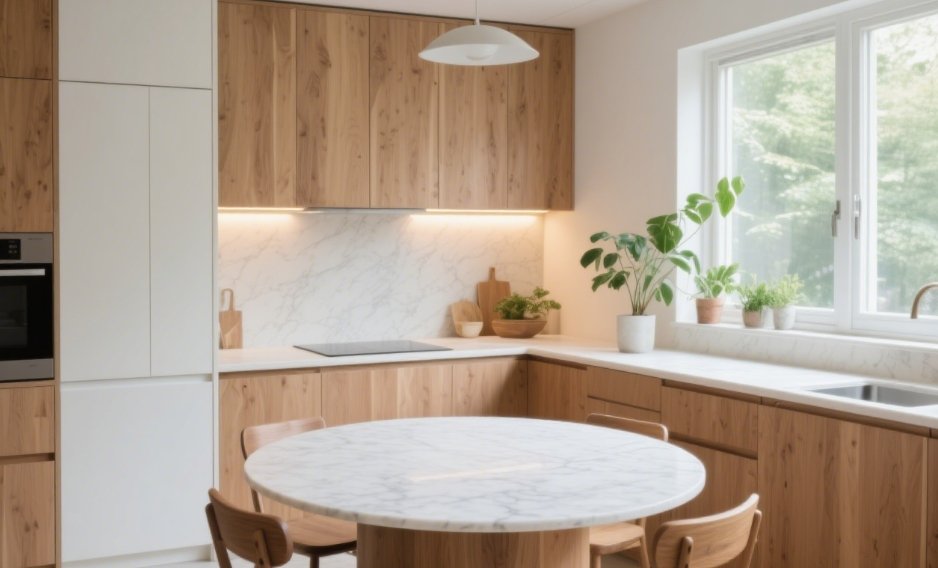
Customers do not see your supplier. They see your product. Edge banding is always visible.
Quality inconsistency reaches the market faster than most teams expect.
What customers notice first
Edge banding defines the finish.
- Color tone
- Gloss level
- Seam line
- Edge durability
These details influence perceived quality.
Brand risk from small defects
One small defect can damage trust.
| Defect | Customer Reaction |
|---|---|
| Peeling edges | Quality complaints |
| Color mismatch | Return requests |
| Rough seams | Negative reviews |
Customers rarely blame materials. They blame the brand.
My view on quality consistency
I believe brand value is built on repetition. The same product must look the same every time.
When edge banding varies, the brand message becomes unclear. Consistency creates confidence. Confidence creates loyalty.
This is why stable supply and stable quality must work together.
How Furniture Brands Can Secure a Stable and Scalable Edge Banding Supply?
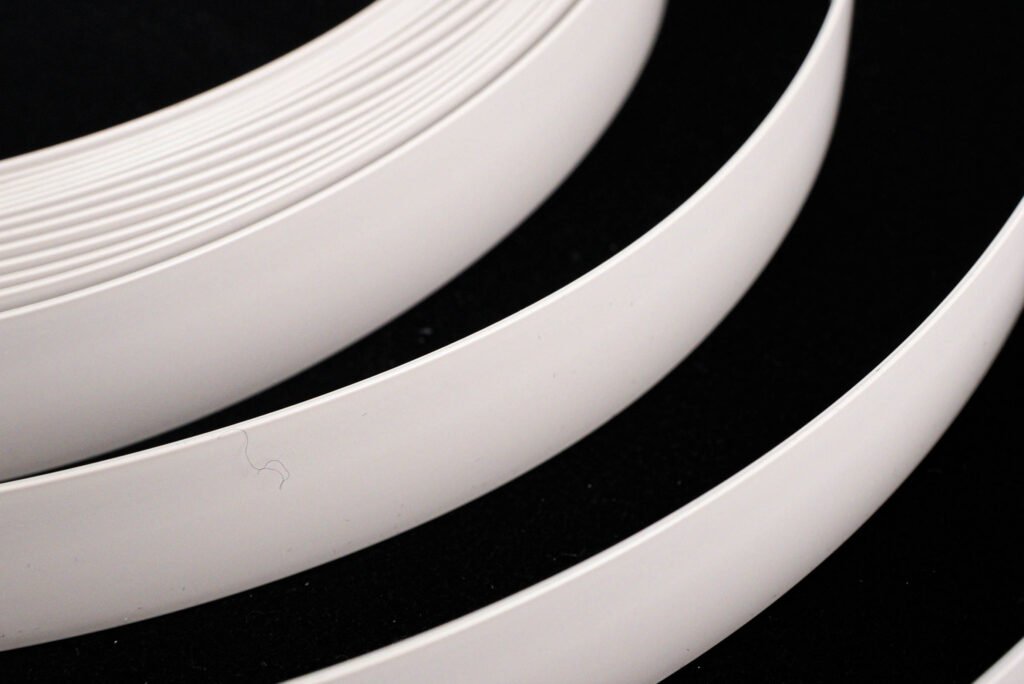
Stability does not happen by chance. It comes from clear strategy and supplier control.
I approach this as a system, not a purchase.
Supplier selection beyond price
Price matters. But other factors matter more.
| Evaluation Area | What I Check |
|---|---|
| Production capacity | Can they scale |
| Color control | Batch consistency |
| Lead time stability | On-time record |
| Communication | Fast response |
A supplier should grow with the brand.
Supply planning methods that work
I prefer simple rules.
- Lock core colors long term
- Forecast demand quarterly
- Keep safety stock for key SKUs
- Audit suppliers regularly
These steps reduce surprises.
Building long-term supply stability
I believe partnerships work better than transactions. When suppliers understand your growth plan, they prepare capacity.
Stable supply comes from shared planning, not last-minute orders.
Furniture brands that treat edge banding as strategic material gain control over cost, schedule, and quality.
Conclusion
Stable edge banding supply protects production, cost, and brand trust. I see it as a foundation, not a detail.
Data Sources
- Grand View Research – Edge Banding Market Report
https://www.grandviewresearch.com/industry-analysis/edge-banding-market - Statista – Global Furniture Manufacturing Statistics
https://www.statista.com/markets/424/topic/490/furniture/ - Woodworking Network – Manufacturing and Supply Chain Insights
https://www.woodworkingnetwork.com