Many buyers receive unstable quality, color shifts, or bonding failures. These issues often start inside the factory. Most buyers never see the real manufacturing process.
PVC edge banding manufacturing involves raw material compounding, extrusion, calibration, surface finishing, and strict quality control. Each step directly affects edge banding performance and consistency.

I have worked with many buyers who focus only on price and samples. Over time, I realized that problems appear after orders scale up. To avoid this, buyers must understand how PVC edge banding is actually made, not just how it looks.
What Is the PVC Edge Banding Manufacturing Process?
Many buyers see PVC edge banding as a simple plastic strip. This misunderstanding leads to wrong supplier choices. The real process is far more complex.
The PVC edge banding manufacturing process is a multi-stage industrial system that turns raw PVC compounds into precise, stable, and finished edge products.

PVC edge banding is not produced in one step. It follows a controlled manufacturing flow. Each stage builds on the previous one. A mistake at any stage creates long-term quality risks.
Why the Process Matters to Buyers
From my experience, buyers who understand the process ask better questions. They also detect weak factories earlier.
| Process Stage | Buyer Risk If Ignored |
|---|---|
| Compounding | Unstable color and hardness |
| Extrusion | Thickness deviation |
| Calibration | Poor edge bonding |
| Surface finishing | Color mismatch |
The manufacturing process defines performance. Price only reflects cost structure, not long-term value.
Factory Capability vs Trading Company Claims
Some sellers do not control production. They outsource steps.
| Factory Type | Process Control Level |
|---|---|
| Integrated manufacturer | High |
| Partial outsourcing | Medium |
| Trading company | Low |
I always tell buyers one thing. If a supplier cannot clearly explain their process, they do not fully control it.
What Are the Key Raw Materials Used in PVC Edge Banding Production?
Many quality problems start with raw materials. Buyers often receive samples made from one formula and bulk orders made from another.
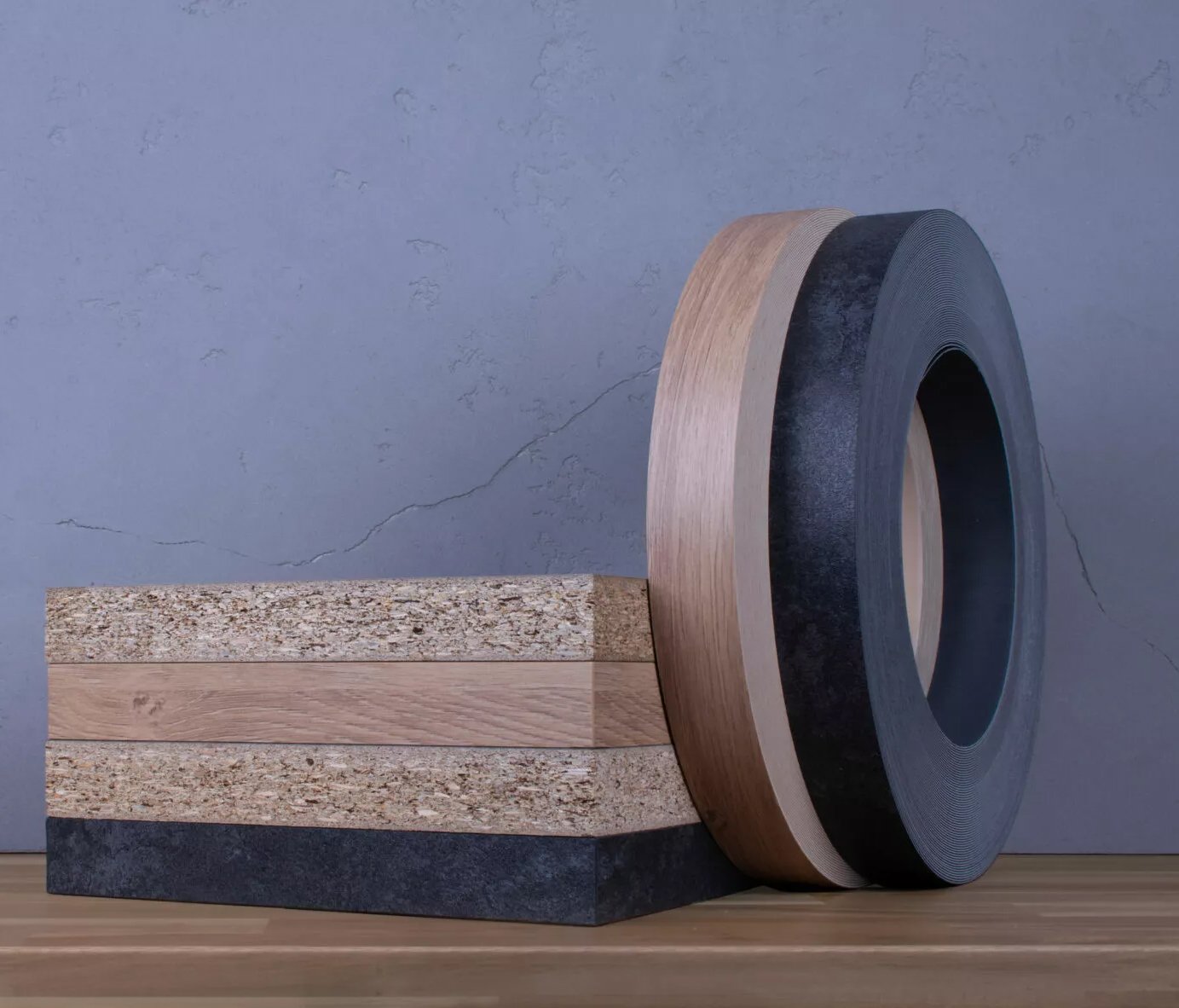
PVC edge banding uses PVC resin, stabilizers, plasticizers, pigments, fillers, and processing additives to achieve flexibility, color stability, and bonding performance.
Raw materials define the physical limits of edge banding. Machines can only process what materials allow.
Core Raw Materials and Their Roles
| Material | Function |
|---|---|
| PVC resin | Structural base |
| Plasticizers | Flexibility |
| Stabilizers | Heat resistance |
| Pigments | Color accuracy |
| Fillers | Cost and rigidity |
Factories adjust formulas based on price pressure. This is where buyers must be careful.
Material Choices and Hidden Trade-Offs
Lower-cost formulas often include higher filler ratios.
| Formula Change | Result |
|---|---|
| More filler | Lower cost, weaker edges |
| Low stabilizer | Faster aging |
| Cheap pigment | Color fading |
I once saw a buyer face 15% rejection due to color drift. The cause was pigment inconsistency, not extrusion error.
What Is the Step-by-Step PVC Edge Banding Manufacturing Process Explained?
Buyers often receive factory videos that only show extrusion. This hides most critical steps.
The PVC edge banding process includes compounding, extrusion, calibration, cooling, surface treatment, printing, and cutting.

Understanding each step helps buyers connect defects to root causes.
Step 1: Compounding and Mixing
Raw materials are weighed and mixed.
| Control Point | Risk |
|---|---|
| Mixing ratio | Color inconsistency |
| Temperature | Material degradation |
Step 2: Extrusion
The compound melts and forms shape.
| Parameter | Impact |
|---|---|
| Screw design | Surface quality |
| Pressure | Thickness stability |
Step 3: Calibration and Cooling
The edge banding is shaped and stabilized.
| Issue | Result |
|---|---|
| Poor calibration | Warping |
| Fast cooling | Internal stress |
Step 4: Surface Finishing and Printing
Surface texture and color are applied.
| Method | Purpose |
|---|---|
| Embossing | Texture |
| Printing | Wood grain |
| Coating | Scratch resistance |
Step 5: Cutting and Packing
Final dimensions are set.
| Control | Buyer Concern |
|---|---|
| Width tolerance | Machine compatibility |
| Edge quality | Glue line appearance |
How Does the Manufacturing Process Affect PVC Edge Banding Quality?
Quality issues rarely come from one mistake. They come from weak process control.
The manufacturing process affects thickness tolerance, bonding strength, color consistency, flexibility, and long-term durability.
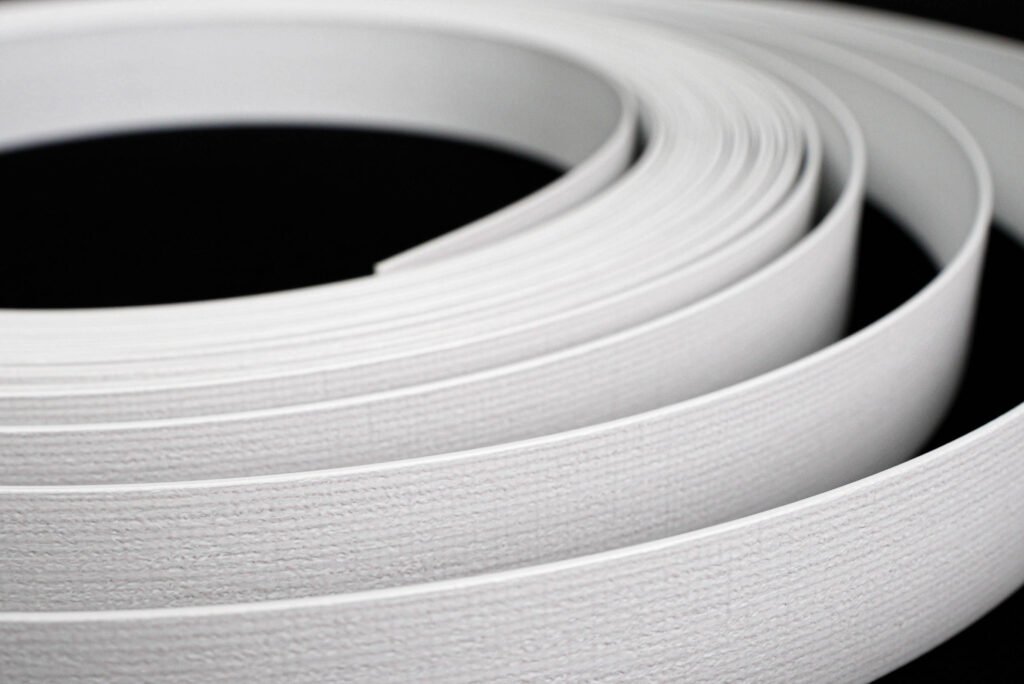
Buyers often judge quality by touch and look. This is not enough.
Key Quality Indicators Linked to Process
| Quality Factor | Process Influence |
|---|---|
| Thickness tolerance | Calibration accuracy |
| Glue adhesion | Surface treatment |
| Color stability | Pigment control |
| Flexibility | Plasticizer ratio |
When a factory lacks data tracking, quality fluctuates.
Why Samples Pass but Bulk Orders Fail
This happens often.
| Reason | Explanation |
|---|---|
| Formula change | Cost adjustment |
| Machine change | Capacity pressure |
| Operator shift | Skill variance |
I learned this lesson early. Stable factories invest in process records, not just machines.
What Should Buyers Check When Evaluating PVC Edge Banding Manufacturers?
Buyers focus on price and delivery. They often miss process capability.
Buyers should evaluate manufacturers based on raw material control, process stability, quality testing, and traceability systems.
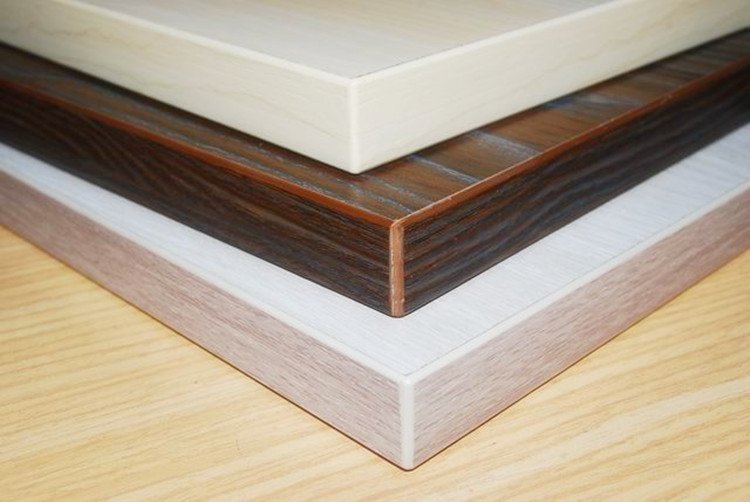
A good factory shows evidence, not promises.
Process Transparency Checklist
| Check Item | Why It Matters |
|---|---|
| Formula records | Consistency |
| In-house extrusion | Control |
| Testing reports | Risk reduction |
| Batch traceability | Accountability |
Questions Buyers Should Ask
- Who controls raw material formulas?
- How do you handle color repeat orders?
- What tolerance data do you track?
Factories that answer clearly are usually safer partners.
Conclusion
PVC edge banding quality starts with the manufacturing process. Buyers who understand this process make better sourcing decisions and avoid long-term quality risks.
Data Sources & References
- European Plastics Converters (EuPC)
https://www.plasticsconverters.eu - PlasticsEurope – PVC Processing and Compounding
https://plasticseurope.org - Woodworking Network – Edge Banding Technology
https://www.woodworkingnetwork.com - REHAU Furniture Solutions – PVC Edge Banding Technical Guides
https://www.rehau.com - Cefla Finishing Group – Surface Treatment in Wood Industry
https://www.ceflafinishing.com