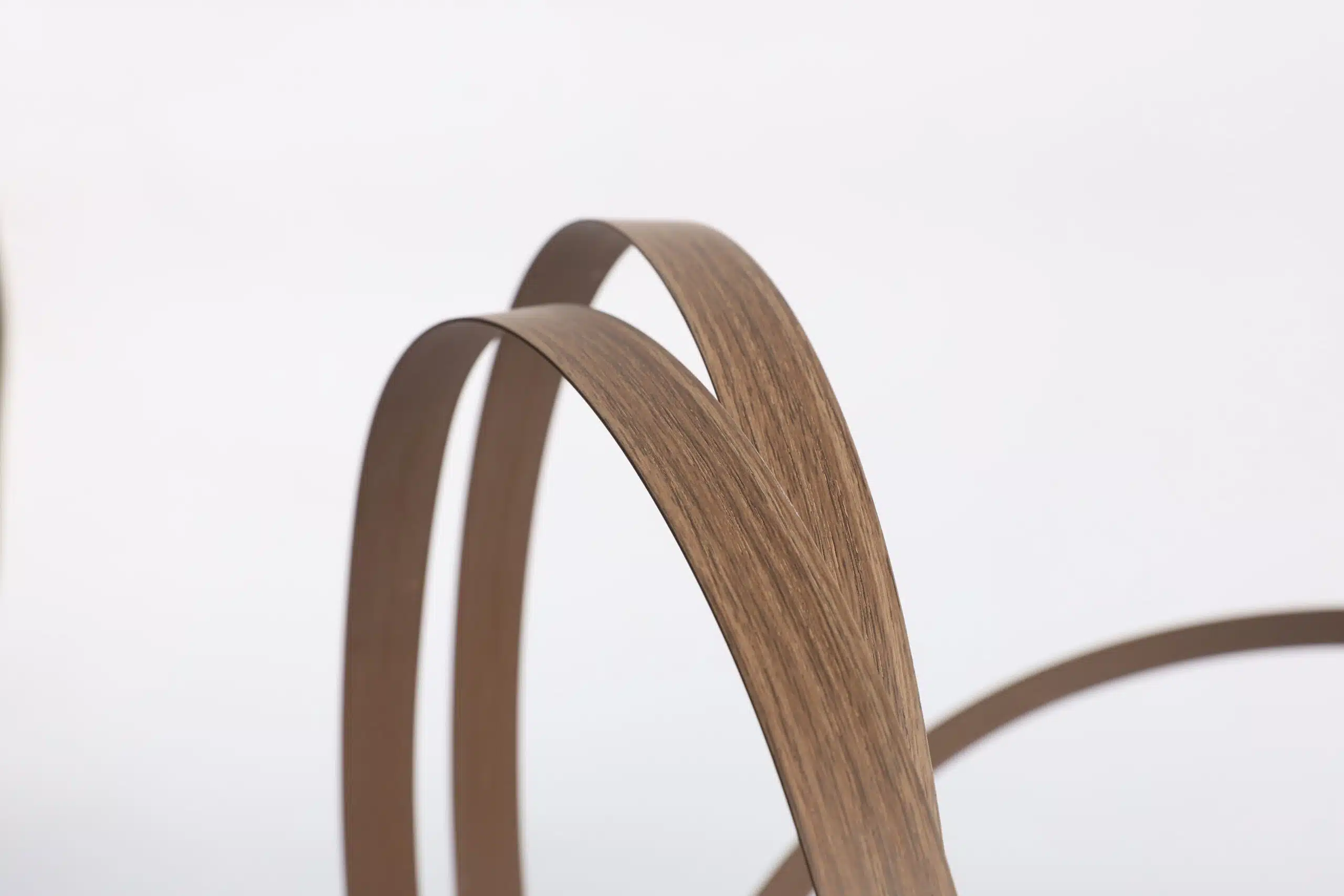
Furniture buyers today notice every small detail. Many traditional edge banding lines are still visible. This creates quality concerns and reduces the premium feel of furniture.
Zero-joint edge banding is becoming the new industry standard because it creates seamless edges, improves moisture resistance, increases durability, and helps manufacturers meet growing demand for high-end furniture with cleaner visual finishes.
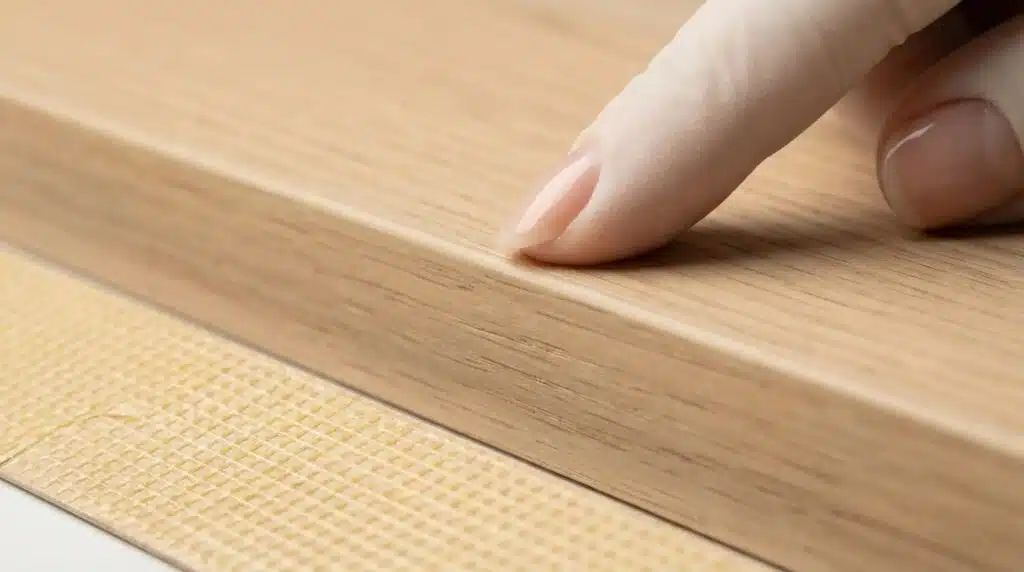
I have noticed a clear change in the furniture market during the last few years. More customers ask about seamless finishes. More furniture brands promote laser edge banding and zero-joint technology. What was once a premium feature is now becoming an expected standard. This shift is changing how manufacturers choose materials, machines, and edge banding suppliers.
What Makes Zero-Joint Edge Banding Different from Conventional Edge Banding?
Many furniture manufacturers still struggle with visible glue lines. These lines may seem small, but customers often connect them with lower product quality.
Zero-joint edge banding removes the visible glue line between the board and the edge banding. It creates a seamless appearance by using laser, hot-air, NIR, or plasma technology instead of traditional adhesive application.
How Traditional Edge Banding Works
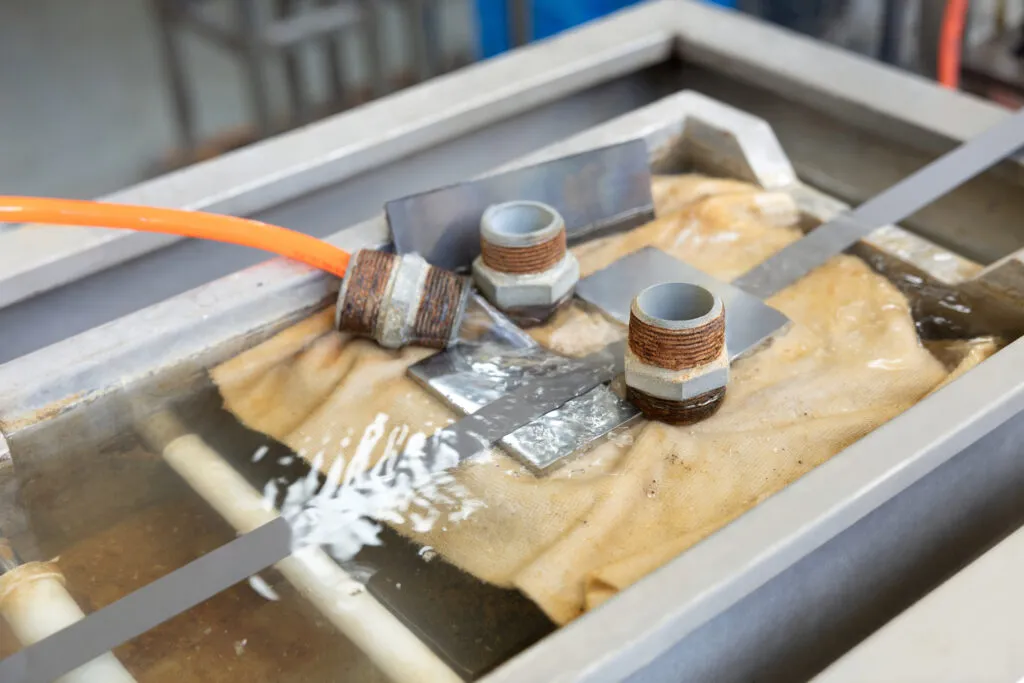
Traditional edge banding normally uses EVA or PUR adhesive. The glue is heated and applied between the board and the edge banding material.
Even when the process is done correctly, a glue line often remains visible. On dark panels, high-gloss surfaces, and premium furniture, this line becomes easier to see.
How Zero-Joint Technology Works
Zero-joint technology uses a special functional layer on the back of the edge banding. Laser, hot-air, plasma, or NIR systems activate this layer directly.
The edge banding melts onto the panel surface without creating a visible glue line.
According to REHAU LaserEdge, the technology creates a seamless and adhesive-free visual finish while improving the overall appearance of furniture surfaces.
Key Differences
| Feature | Conventional Edge Banding | Zero-Joint Edge Banding |
|---|---|---|
| Visible Glue Line | Yes | Nearly Invisible |
| Appearance | Standard | Premium |
| Moisture Resistance | Good | Better |
| Cleaning Difficulty | Medium | Low |
| Premium Market Fit | Limited | Strong |
| Surface Consistency | Moderate | Excellent |
When I compare furniture side by side, the difference becomes obvious. The edge appears almost like one piece with the board surface. This effect is especially important for kitchen cabinets, wardrobes, office furniture, and luxury interiors.
Many furniture brands now use the seamless appearance as a marketing advantage. Customers may not know the technical name of the process, but they immediately recognize the cleaner look.
Why Is Demand for Zero-Joint Furniture Growing Worldwide?
Furniture buyers are becoming more demanding. They compare products online, zoom into details, and expect higher quality at every price level.
Demand for zero-joint furniture is growing because consumers want premium-looking products, furniture brands want stronger market positioning, and manufacturers need solutions that improve both appearance and durability.
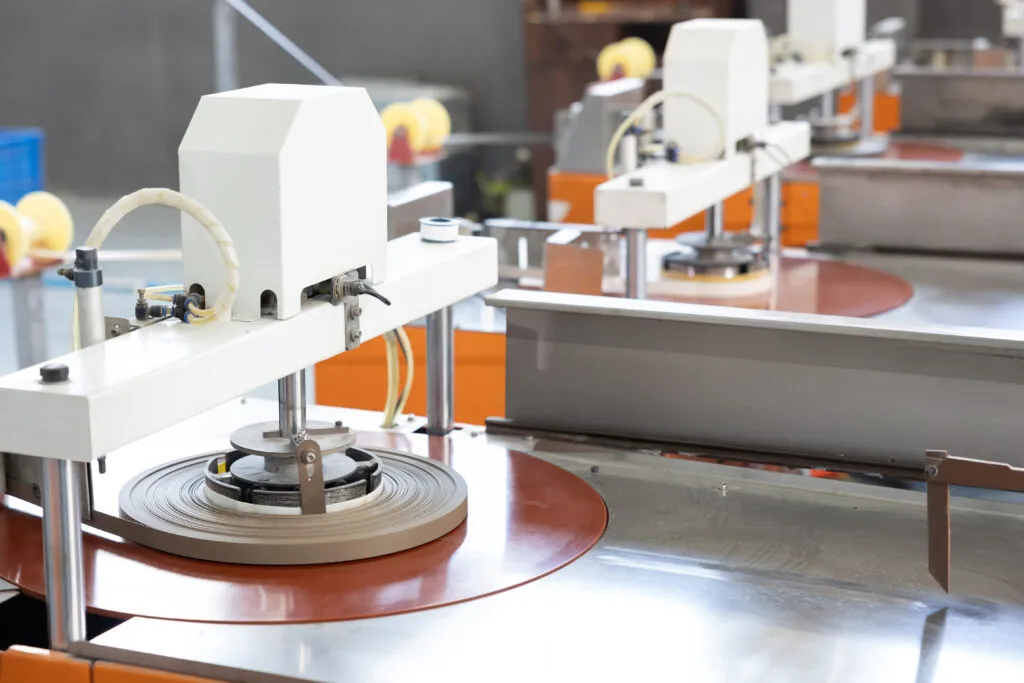
Customers Expect Better Finishes
A few years ago, many customers focused mainly on price. Today, appearance plays a much bigger role.
Social media platforms have changed customer expectations. High-resolution product photos make edge details more visible than ever before.
A visible glue line can reduce the perceived value of a product.
Premium Furniture Markets Are Expanding
Several sectors are driving demand:
- Custom furniture
- Kitchen cabinets
- Luxury apartments
- Commercial interiors
- Hospitality projects
These markets often require seamless visual quality.
According to industry reports, laser and zero-joint edge banding installations are growing faster than the overall edge banding market. Some market research reports estimate annual growth above 12% in the premium segment.
Furniture Brands Need Differentiation
Competition is becoming stronger every year.
Many manufacturers no longer compete only on price. They compete on:
| Competitive Factor | Importance |
|---|---|
| Appearance | Very High |
| Durability | High |
| Moisture Resistance | High |
| Brand Image | Very High |
| Sustainability | Increasing |
I often see furniture companies using phrases like “seamless finish” or “invisible edge” in their marketing materials. This shows how valuable the technology has become from a branding perspective.
As customer expectations continue to rise, more manufacturers are moving toward zero-joint production methods to stay competitive.
How Does Zero-Joint Edge Banding Improve Product Quality and Durability?
Furniture edges are often the first area to fail. Moisture, impact, and daily wear usually attack the edge before any other part of the panel.
Zero-joint edge banding improves quality by creating a stronger bond, reducing moisture penetration, increasing resistance to temperature changes, and maintaining a cleaner appearance over time.
Better Moisture Protection
Traditional glue lines can create tiny gaps.
These gaps may allow moisture to enter over time. In kitchens, bathrooms, and commercial spaces, this becomes a serious problem.
Zero-joint technology minimizes these weak points.
Many machine manufacturers specifically promote the technology for moisture-sensitive applications such as kitchen cabinets and bathroom furniture.
Improved Heat Resistance
Temperature fluctuations affect furniture performance.
Standard adhesive systems can experience stress after years of exposure to heat and humidity.
Laser and hot-air activated functional layers create a more stable connection.
This is especially valuable in:
- Kitchens
- Hotels
- Restaurants
- Healthcare environments
Better Long-Term Appearance
One issue with traditional edge banding is aging glue lines.
Over time, dirt may collect around visible joints.
Zero-joint edges reduce this problem.
The result is a cleaner appearance for a longer period.
Quality Comparison
| Performance Factor | Traditional Edge | Zero-Joint Edge |
|---|---|---|
| Water Resistance | Good | Excellent |
| Heat Resistance | Good | Excellent |
| Dirt Accumulation | Medium | Low |
| Visual Consistency | Good | Excellent |
| Long-Term Appearance | Moderate | Strong |
From my experience, customers often associate seamless edges with higher quality even before discussing technical specifications. The visual impact creates confidence in the product.
What Challenges Do Manufacturers Face When Adopting Zero-Joint Technology?
The benefits are clear, but adoption is not always easy. Many manufacturers face financial and technical barriers during the transition.
The biggest challenges include equipment investment, operator training, material compatibility, process control, and production management.
High Equipment Costs
The first challenge is investment.
Laser edge banding machines require significant capital.
Many small and medium-sized factories hesitate because the equipment cost can be much higher than conventional systems.
For this reason, some manufacturers begin with hot-air or NIR systems before moving toward full laser production.
Operator Training
New technology requires new skills.
Machine settings become more critical.
Operators must understand:
- Functional layers
- Temperature control
- Feed speed
- Surface preparation
- Maintenance requirements
Without proper training, the final quality may not meet expectations.
Material Compatibility
Not every edge banding product works with zero-joint technology.
Manufacturers need edge banding materials that contain special functional layers.
This creates new sourcing requirements.
Factories often need reliable suppliers who can provide:
| Requirement | Importance |
|---|---|
| Stable Color Matching | High |
| Functional Layer Quality | Very High |
| Consistent Thickness | High |
| Surface Consistency | High |
| Supply Stability | Very High |
Production Adjustment
The transition is not only about buying a machine.
Factories often need to review:
- Workflow
- Quality inspection
- Material inventory
- Maintenance schedules
I have seen manufacturers underestimate this stage. The machine itself is only one part of the investment. Process optimization is equally important.
Despite these challenges, many companies still move forward because the long-term benefits often justify the initial cost.
Why Is Zero-Joint Edge Banding Expected to Become the Industry Standard?
Many manufacturing technologies begin as premium options. Later, they become common requirements. Zero-joint edge banding appears to be following this pattern.
Zero-joint edge banding is expected to become the industry standard because customer expectations continue to rise, equipment becomes more accessible, and furniture brands increasingly require seamless quality as a baseline feature.
Technology Is Becoming More Accessible
Several years ago, zero-joint systems were mainly used by large industrial manufacturers.
Today, equipment suppliers offer solutions for different production scales.
This makes adoption easier for medium-sized factories.
Market Expectations Continue to Rise
Customer expectations rarely move backward.
Once consumers become familiar with seamless furniture, visible glue lines become less acceptable.
This creates pressure throughout the supply chain.
Premium Features Become Standard Features
This pattern has happened many times before.
Examples include:
- Soft-close hinges
- Anti-fingerprint surfaces
- Smart storage systems
These features started as upgrades but later became standard expectations.
Zero-joint edge banding is following a similar path.
Future Market Direction
| Trend | Expected Impact |
|---|---|
| Growth of Custom Furniture | High |
| Luxury Interior Demand | High |
| Smart Manufacturing | High |
| Automated Production | High |
| Premium Surface Materials | High |
Industry leaders such as HOMAG, IMA Schelling, REHAU, and Felder continue investing heavily in zero-joint technologies. This level of investment often signals where the market is heading.
When I look at furniture exhibitions today, I see more brands promoting seamless surfaces than ever before. This tells me the market is moving beyond trend status. It is becoming a long-term industry direction.
Conclusion
Zero-joint edge banding is no longer a niche technology. It is rapidly becoming a key standard for furniture manufacturers that want better appearance, stronger durability, and long-term market competitiveness.
Sources
- REHAU LaserEdge Zero-Joint Edgeband
https://www.rehau.com/us-en/millwork/edging/zero-joint - IMA Schelling – ZERO Diode Laser Technology
https://imaschelling.us/news/zero-diode-laser/ - IMA Schelling – Combima Edge Processing Systems
https://www.imaschelling.com/en/products/combima - HOMAG Zero-Joint Technology Solutions
https://www.homag.com/en/product-detail/machines/edge-banders-tenoners/edge-banding-machines/edge-banding-machines-edgeteq-s-500-optimat-and-profiline - Felder Group Zero-Joint Technology
https://www.felder-group.com/en-us/zero-joint-technology - DataIntelo Edge Bander Market Research Report 2034
https://dataintelo.com/report/global-edge-bander-market