
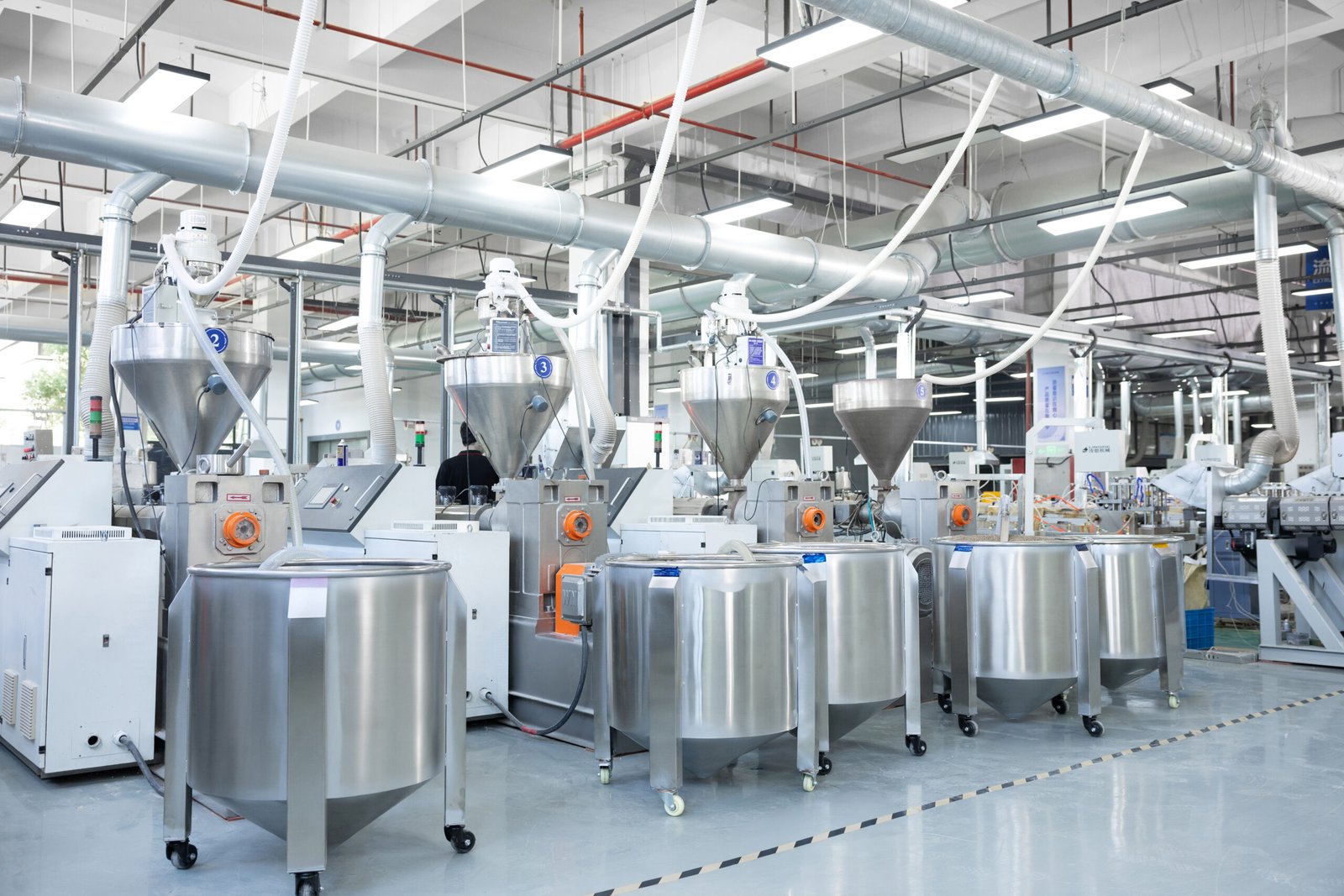
I have seen furniture manufacturers lose material through poor planning, wrong sizes, machine settings, and quality defects that look small but add up quickly.
I reduce PVC edge banding waste by choosing suitable sizes, planning cutting lengths, controlling machine settings, reducing defects, and tracking material efficiency.

When I look at edge banding waste, I do not only look at the amount left on the floor. I look at where the waste starts, why it happens, and whether the same problem happens again. A good waste reduction plan should cover product selection, production processes, quality control, and daily data.
What Causes PVC Edge Banding Waste During Furniture Production?
I often find that waste does not come from one problem. Wrong purchasing, poor cutting plans, machine errors, and defective edge banding can all create unnecessary waste.
PVC edge banding waste usually comes from leftover lengths, incorrect specifications, production errors, machine setup, damaged material, and quality defects. Manufacturers can reduce waste by identifying the main source before changing the process.
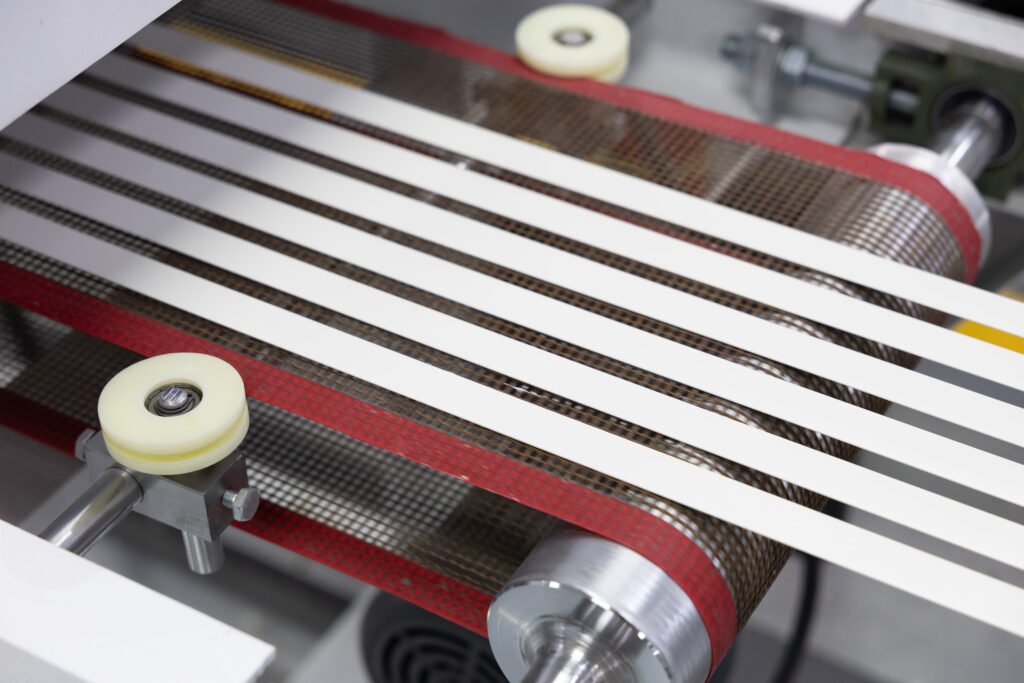
Where Does PVC Edge Banding Waste Start?
I usually divide edge banding waste into four areas: purchasing, storage, cutting, and application. This makes the problem easier to measure.
For example, a factory may purchase a large amount of one width because the price looks attractive. However, if most furniture panels need another width, part of that stock may remain unused for a long time.
Cutting creates another type of waste. A production order may require many short pieces, but the operator may cut longer pieces than necessary. Small leftover pieces then become difficult to use.
Production defects create a different problem. A piece can become unusable because of poor bonding, visible scratches, incorrect trimming, color mismatch, or surface damage. The material itself may be good, but the finished piece still becomes waste.
EGGER describes PVC edge banding as a product used for finishing coated wood-based materials and provides processing instructions for cutting, milling, scraping, and buffing. This shows why waste control should cover the complete processing chain rather than only material purchasing.
What Types of Waste Should I Track?
I prefer to record waste by reason instead of putting all rejected material into one category.
| Waste type | Common cause | What I would check |
|---|---|---|
| Leftover roll material | Poor inventory planning | Order quantity and SKU demand |
| Cutting waste | Long or inaccurate cuts | Cutting plan and panel dimensions |
| Setup waste | Machine adjustment | Setup procedure and operator training |
| Defective edges | Bonding or trimming problems | Machine settings and adhesive |
| Damaged material | Storage or handling | Packaging and warehouse conditions |
| Color-related waste | Wrong color or batch | Color approval and sample control |
This data gives me a better picture of the real problem. If cutting waste is high, I do not need to immediately change suppliers. If defective edges are high, I need to investigate the production process first.
I also believe that manufacturers should separate unavoidable waste from controllable waste. Some leftover material is normal. However, repeated waste caused by poor planning is different. It is a process problem.
How Can You Choose the Right PVC Edge Banding to Reduce Waste?
I do not think the cheapest edge banding is always the lowest-cost option. The right width, thickness, finish, and material can prevent waste before production even starts.
I reduce material waste by matching PVC edge banding specifications to the actual panel, machine, and furniture application instead of buying one specification for every product.

Why Does Edge Banding Width Matter?
Width is one of the easiest areas to overlook. I have seen manufacturers choose a much wider edge banding because they want more flexibility. However, extra width can increase trimming waste.
If the panel thickness and edge structure only require a certain width, I prefer to use a suitable specification rather than adding unnecessary material.
At the same time, I would not choose an edge band that is too narrow. The band must provide enough coverage for the panel edge and the processing allowance.
The correct choice depends on the board thickness, edge design, machine, trimming process, and required final appearance. EGGER states that its PVC edge banding is used on materials such as chipboard, MDF, HDF, and lightweight boards, with processing steps including gluing, cutting, milling, scraping, and buffing.
How Should I Choose PVC Edge Banding Thickness?
Thickness should also match the application. I do not treat thickness as only an appearance decision.
A thicker edge can provide a different visual effect and may suit certain furniture designs. A thinner edge may be suitable for other panels and applications. The important point is that the specification should be connected to the finished product.
| Selection factor | What I check | Waste risk |
|---|---|---|
| Panel thickness | Actual board thickness | Incorrect coverage |
| Edge band width | Required coverage | Excessive trimming |
| Edge band thickness | Design and application | Unnecessary material use |
| Surface finish | Panel decoration | Rework from appearance problems |
| Color | Panel and edge match | Rejection from mismatch |
| Machine compatibility | Processing capability | Setup and production defects |
I also prefer to confirm specifications with the edge banding supplier before mass production. A small sample test can prevent a much larger production loss.
Color selection deserves special attention. EGGER notes that color-matching selections should be checked against original samples rather than relying only on reproduced digital or printed colors.
That point matters because a wrong color can turn an entire batch into waste even when the physical edge banding performs correctly.
How Can Cutting and Edge Banding Processes Reduce Material Waste?
I see the production process as one of the biggest opportunities to reduce waste because small setup mistakes can affect many pieces before someone notices them.
I reduce material waste by improving cutting plans, controlling machine setup, checking the first pieces, and keeping processing conditions consistent throughout production.

How Can Better Cutting Planning Reduce Waste?
I start with the required edge lengths instead of simply cutting everything into convenient pieces.
If a production order requires many different furniture components, I group similar requirements where possible. I also look at the length of available edge banding rolls and the expected consumption.
For example, if I repeatedly cut 600 mm pieces from a roll but leave unusable short sections, I should review whether the cutting sequence can be changed.
I also separate production orders by color and specification. This can reduce unnecessary machine changes and lower the amount of material consumed during setup.
How Can Machine Setup Affect Waste?
An edge banding machine does more than apply the material. The process can include bonding, cutting, milling, scraping, and buffing. EGGER’s processing instructions specifically describe these steps for PVC edge banding.
If the machine is not correctly adjusted, the operator may need to process the same panel again. That creates extra material consumption and labor cost.
I normally pay attention to:
- Feed speed
- Adhesive application
- Cutting position
- Trimming settings
- Milling settings
- Scraper adjustment
- Buffing pressure
- Panel positioning
I also check the first pieces after a machine change or setup adjustment. A short inspection at the beginning can prevent a large number of defective pieces later.
| Process stage | Possible problem | Waste reduction action |
|---|---|---|
| Feeding | Material tracking problem | Check feeding alignment |
| Bonding | Poor adhesion | Check adhesive and temperature |
| Cutting | Excessive end waste | Adjust cutting position |
| Trimming | Too much material removed | Check trimming settings |
| Milling | Uneven edge | Check tool condition |
| Scraping | Surface damage | Adjust scraper |
| Buffing | Excessive processing | Control pressure and tool condition |
I also think machine maintenance should be part of waste management. A worn tool or unstable machine can create repeated defects. The problem may look like a material problem, but the real cause can be equipment.
How Can Furniture Manufacturers Reduce Waste Caused by Quality Problems?
I do not consider defective edge banding only a quality issue. Every rejected piece also represents wasted material, machine time, labor, and production capacity.
I reduce quality-related waste by controlling incoming material, checking production samples, identifying defect causes, and correcting the process instead of repeatedly replacing defective pieces.

Which Edge Banding Defects Create the Most Waste?
Different factories will have different defect patterns. I would first collect real production data instead of assuming which defect is most important.
Common problems can include:
- Poor bonding
- Edge lifting
- Uneven trimming
- Scratches
- Surface marks
- Color mismatch
- Gloss inconsistency
- Cracking
- Deformation
- Incorrect dimensions
Some defects come from the material. Others come from storage, handling, equipment, or processing conditions.
This difference is important. If I blame the supplier every time I see a defect, I may miss a problem inside my own factory.
How Can Quality Data Help Reduce Waste?
I prefer to record defects by batch, color, specification, machine, operator, and production date when possible.
This gives me a way to compare different production conditions.
| Quality problem | Possible source | First action |
|---|---|---|
| Poor bonding | Adhesive or process | Check adhesive and application |
| Lifting | Bonding or processing | Check adhesion conditions |
| Color mismatch | Material or specification | Compare approved sample |
| Scratches | Handling or equipment | Inspect contact surfaces |
| Uneven trimming | Machine setup | Check cutting tools |
| Cracking | Material or processing | Check material and processing conditions |
| Surface marks | Handling or tools | Inspect machine contact points |
ISO’s quality management guidance supports this type of approach. ISO explains that organizations should monitor, measure, analyze, and evaluate process performance, while using data to support continual improvement.
I therefore prefer to ask one simple question when waste appears: Why did this piece become waste?
If the same answer appears again and again, I treat it as a process problem. I then work on the root cause instead of only removing the defective pieces.
How Can Manufacturers Build a Long-Term PVC Edge Banding Waste Reduction System?
I believe waste reduction becomes effective only when it becomes part of daily production management. One-time adjustments can help, but a simple tracking system can create much better results over time.
I reduce PVC edge banding waste by setting measurable targets, tracking actual consumption, reviewing defects, and improving purchasing and production decisions with real data.

What Should I Measure?
I would start with a few simple numbers. I do not think every factory needs a complicated system at the beginning.
One useful indicator is the difference between planned consumption and actual consumption.
For example:
Waste Rate = (Actual Material Used − Standard Material Required) ÷ Standard Material Required × 100%
The exact target should depend on the factory, product mix, machine, and production method. I would not use one universal waste target for every furniture manufacturer.
I can also track waste by SKU, color, thickness, width, machine, and production order.
How Can Purchasing and Production Work Together?
Purchasing decisions can create production waste if the factory buys specifications without looking at actual demand.
I would review historical consumption before placing large orders. High-volume colors can justify stronger inventory levels. Low-volume colors may require smaller purchasing quantities or supplier support for flexible production.
I also prefer suppliers that can provide stable specifications and technical information. EGGER, for example, publishes technical data and processing instructions for its PVC edge banding, including material properties and machining information.
A supplier should not only sell rolls of edge banding. I think a good supplier should help the buyer reduce avoidable problems.
How Can I Use a Simple Improvement Cycle?
I would use a simple cycle:
| Step | What I do |
|---|---|
| Plan | Set the required material consumption |
| Do | Run production with the selected process |
| Check | Compare actual consumption and defects |
| Act | Correct the main causes and update the process |
This approach is consistent with the process-based improvement model described by ISO. ISO explains that monitoring and measurement should support both process control and improvement, and its process approach includes checking performance against planned objectives.
I think this is more useful than simply telling operators to “use less material.”
Operators cannot control every cause of waste. Purchasing controls specifications. Engineers control machine parameters. Quality teams control inspection. Suppliers control material consistency. Production managers control planning.
Waste reduction works better when these areas work together.
Conclusion
I reduce PVC edge banding waste by controlling specifications, cutting, machine processing, quality defects, and material data from purchasing to final production.
Data Sources
- EGGER — PVC Edge Banding Product Information: Applications, processing characteristics, product selection, and decorative matching information. EGGER PVC Edge Banding
- EGGER — PVC Edge Banding Processing Instructions: Processing methods, machine compatibility, bonding, cutting, milling, scraping, and buffing guidance. EGGER PVC Edge Banding Processing Instructions
- EGGER — PVC Edge Banding Technical Datasheet: Technical properties and applicable testing standards for PVC edge banding. EGGER PVC Edge Banding Technical Datasheet
- ISO — ISO 9001 Quality Management Systems: Quality management, process control, performance evaluation, monitoring, and continual improvement. ISO 9001 Quality Management Systems
- ISO — The Process Approach in ISO 9001: Process planning, monitoring, measurement, waste, failure rates, and process improvement. ISO Process Approach
- ISO — Quality Assurance: A Critical Ingredient for Organizational Success: Quality assurance, material testing, process monitoring, defect prevention, and continual improvement. ISO Quality Assurance