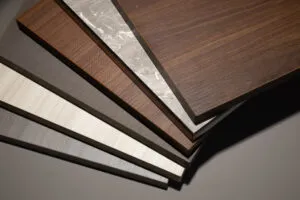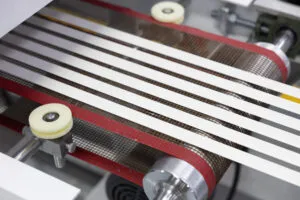
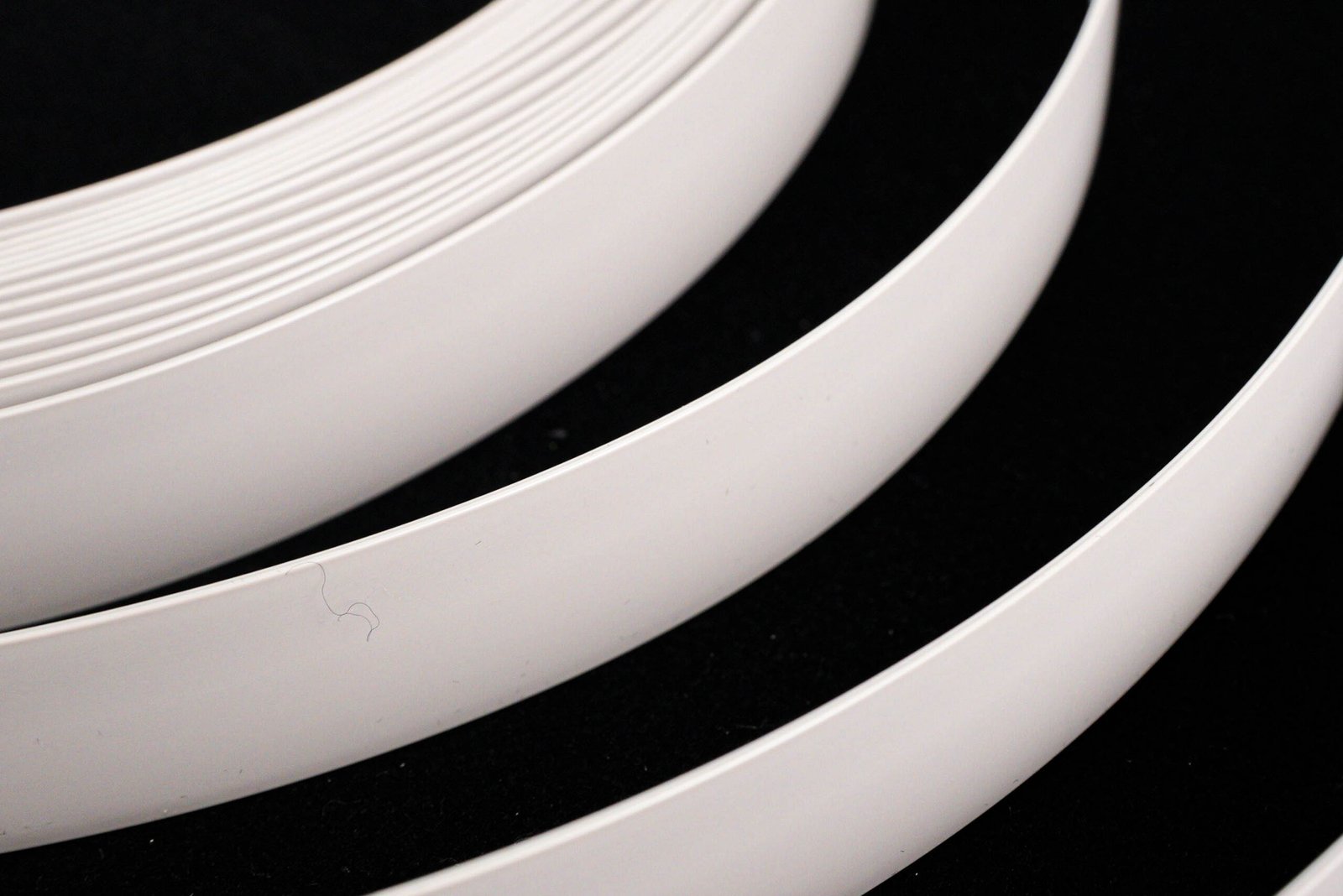
Many edge banding distributors stock too many products without knowing which materials their customers really need. This can increase inventory costs and make product selection harder.
I choose between PVC, ABS, and acrylic edge banding by comparing their properties, appearance, processing needs, total costs, and target applications. I also consider customer demand and stock turnover before deciding which products to sell.

When I work with furniture factories and distributors, I do not treat material selection as a simple comparison of three plastic types. Each material can serve different needs, and products made from the same material can also perform differently. I need to understand what the factory produces, what finish it wants, and how its machines process the edge banding. I also need to consider the commercial side. A product may offer excellent appearance but have limited demand in my market. Another product may have a lower selling price but generate more repeat orders. I use these factors to build a product range that meets customer needs without creating unnecessary inventory pressure.
What Are the Main Differences Between PVC, ABS, and Acrylic Edge Banding?
I often see distributors compare PVC, ABS, and acrylic edge banding as if one material must be better than the others. This approach can lead to poor purchasing decisions because each material has different strengths and uses.
I compare these materials by looking at their composition, common applications, appearance, processing requirements, and customer demand. This helps me choose products based on real needs rather than general claims.
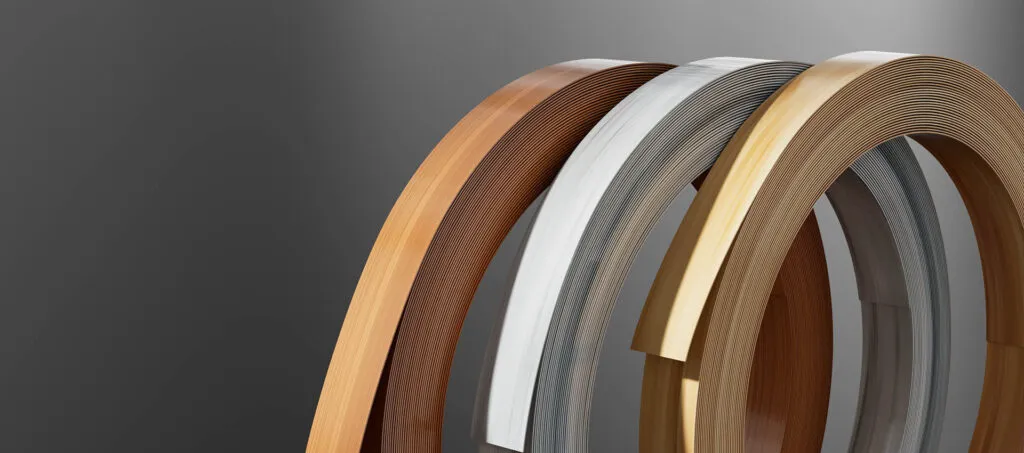
What Makes Each Material Different?
PVC stands for polyvinyl chloride. It is widely used in furniture edge banding because it supports many colors, patterns, thicknesses, and surface finishes. I often consider PVC for standard cabinets, wardrobes, office furniture, shelving, and other panel furniture. Its broad product range makes it useful for distributors who need to serve different customers.
ABS stands for acrylonitrile butadiene styrene. It is a thermoplastic material known for its impact resistance and toughness. ABS edge banding is used in many furniture applications where processing performance, durability, and material requirements matter. Some buyers also prefer ABS because it does not contain chlorine in its polymer structure. However, I do not assume that this feature alone proves that a product has a lower environmental impact across its full life cycle.
Acrylic edge banding usually refers to PMMA, or polymethyl methacrylate. I consider it when a furniture factory needs a high-gloss surface, visual depth, or a modern decorative effect. It is especially relevant to furniture fronts and other visible surfaces where appearance is a major part of the product design.
How Do I Compare the Three Materials?
| Factor | PVC edge banding | ABS edge banding | Acrylic (PMMA) edge banding |
|---|---|---|---|
| Main strength | Versatility and broad product selection | Toughness and impact resistance | High-gloss appearance and visual depth |
| Common applications | General cabinets, wardrobes, office furniture | Cabinets, office furniture, and other demanding applications | High-gloss furniture fronts and decorative panels |
| Surface options | Solid colors, wood grain, matte, gloss, and textures | Solid colors, wood grain, matte, and selected premium finishes | Commonly selected for high-gloss and decorative effects |
| Main selection concern | Match the panel and confirm processing requirements | Confirm the product grade and processing compatibility | Confirm appearance, surface protection, and processing requirements |
| Commercial role | Often a core product category | A useful additional material category | A specialized option for suitable design projects |
This table describes common market uses, not guaranteed performance for every product. Manufacturer specifications can differ by product range. For example, REHAU provides separate technical information for PVC, ABS, and PMMA edge banding. Its documentation also explains that material selection and processing requirements need to be considered together.
I use these differences to build a basic understanding of the products. I then check the specific product data sheet before I recommend a material to a customer.
Why Do I Avoid Choosing by Material Name Alone?
I do not assume that every PVC product is inexpensive or that every ABS product is more durable than every PVC product. I also do not assume that every acrylic edge band has the same gloss level or scratch resistance.
The final result depends on the formulation, thickness, surface coating, primer, manufacturing process, and adhesive system. I compare the actual product specifications and request samples when the application requires closer evaluation.
How Do PVC, ABS, and Acrylic Edge Banding Compare in Performance and Appearance?
I know that a material can look suitable in a product catalog but perform differently in a furniture factory. A color may not match the panel, a surface may show scratches more clearly than expected, or the edge may not bond well under the factory’s normal processing conditions.
I compare performance and appearance through product data, sample testing, and processing checks. I do not make my decision based on photographs alone.
I Compare the Properties That Matter to the Application
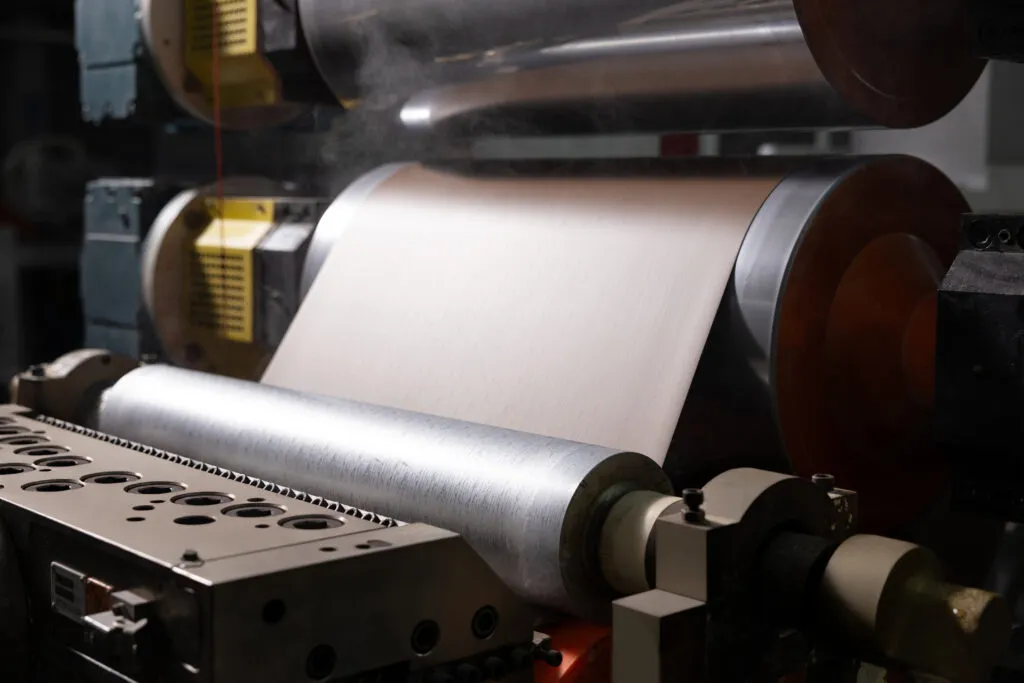
PVC offers a wide range of decorative options and is commonly used for everyday furniture production. Its actual impact resistance, heat resistance, light stability, and surface durability depend on the specific formulation and product design.
ABS can provide good toughness and impact resistance. It may be a suitable choice when a customer needs a particular combination of durability, processing performance, and material requirements. However, I still check the manufacturer’s technical specifications instead of assuming that every ABS product will outperform PVC in every test.
Acrylic is often selected for its glossy appearance and visual depth. PMMA also has good light transmission and weathering resistance as a material. However, I do not use these general properties as a substitute for testing the finished edge banding. Surface coatings, protective films, and the product construction can affect the result.
I Check Appearance Under Real Conditions
I pay close attention to color, gloss, texture, and pattern. A factory may need the edge banding to match a melamine-faced board, a decorative laminate, or a high-gloss panel. The material name alone cannot tell me whether the finished edge will look right.
I ask the customer to provide a physical panel sample or an approved reference whenever possible. I compare the samples under suitable lighting and check whether the gloss and texture are consistent with the panel surface.
For repeat orders, I also keep records of approved samples and product specifications. EGGER’s technical documentation notes that color and surface differences can occur between decorative products, even when the decor and texture combination is the same. This is why I encourage customers to check samples of the actual product version before confirming a large order.
I Test Processing Compatibility Before Bulk Orders
I do not judge edge banding only by how it looks after installation. I also want to know whether the factory can process it with its existing equipment and adhesive system.
I ask the customer to check bonding, trimming, edge appearance, and any surface damage during normal production. If the factory uses a special adhesive or a high-speed production line, I confirm compatibility with the supplier before recommending the product.
| Performance factor | What I check |
|---|---|
| Impact resistance | Product data and application-specific testing |
| Surface durability | Scratch and wear performance under expected use |
| Color matching | Comparison with the actual furniture panel |
| Gloss and texture | Visual consistency under suitable lighting |
| Adhesion | Compatibility with the adhesive and production process |
| Trimming quality | Clean edges and suitable processing results |
| Repeat-order consistency | Comparison with approved samples and records |
I use the manufacturer’s technical data sheet as the starting point, not the final answer. When the factory has strict requirements, I arrange a sample test before I recommend a full production order. This reduces avoidable risk and helps me explain the product’s real strengths to the buyer.
How Should Distributors Compare the Costs and Profit Margins of Different Edge Banding Materials?
I do not choose a material based only on its purchase price. A low-cost product may have limited demand, require more stock than I can sell, or fail to meet a customer’s requirements. A higher-priced product may also be difficult to sell if my customers do not need its special features.
I compare purchase costs, expected selling prices, stock turnover, order sizes, and customer demand before I decide how much of each material to carry.
I Calculate the Actual Cost of Each Product
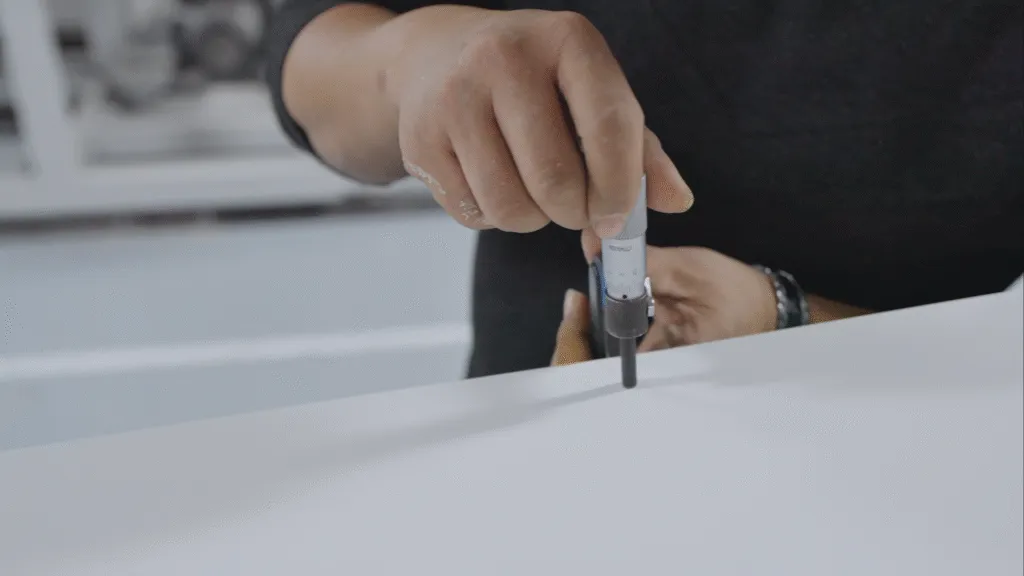
I start with the supplier’s purchase price, but I do not stop there. I also consider freight, packaging, import or other applicable charges, storage, handling, and the cost of keeping stock that may sell slowly.
I use the same unit of measurement when I compare products. For example, if I buy and sell edge banding by roll, I check the roll length, width, thickness, and product specifications before comparing the price per roll. A cheaper roll is not necessarily a better deal if it contains less material or does not meet the same requirements.
I also separate gross margin from markup. If I buy a product for $80 and sell it for $100, my gross profit is $20 before other business expenses. My gross margin is 20% of the selling price, while my markup is 25% of the purchase cost.
I use these formulas:
- Gross profit = Selling price − Cost of goods sold
- Gross margin = Gross profit ÷ Selling price × 100%
These calculations help me compare products consistently. They do not include every operating expense, so they should not be treated as net profit.
I Compare Profit Potential with Inventory Risk
PVC may be a practical core category when local factories regularly buy common colors and specifications. However, I still need sales records to confirm which products move quickly in my market.
ABS may help me serve customers who request particular material properties or have specific purchasing requirements. Acrylic may offer a more specialized option for projects that focus on high-gloss finishes and decorative appearance. I do not assume that either category automatically produces a higher margin. The actual result depends on supplier pricing, competition, demand, and order size.
| Cost factor | Question I ask | Why it matters |
|---|---|---|
| Purchase price | Am I comparing the same specifications? | Prevents misleading price comparisons |
| Freight and handling | What is the delivered cost? | Shows the real cost of obtaining stock |
| Selling price | What will customers realistically pay? | Helps estimate gross profit |
| Sales volume | How often do customers reorder? | Indicates demand and turnover |
| Minimum order quantity | Can I sell the order within a reasonable period? | Reduces excess inventory risk |
| Stock holding | How much cash will remain tied up? | Helps manage working capital |
| Product returns | What risks are linked to quality or mismatch? | Helps estimate the cost of supply problems |
I Use Customer Demand to Set Purchasing Priorities
I review previous orders and ask customers about their planned projects. I do not buy large quantities of a new material simply because a supplier offers a discount. A discount may reduce my purchase cost, but it can still create a loss if the stock remains unsold.
For new ABS or acrylic products, I may begin with samples and a limited range of sizes or colors. I can increase stock after I see repeat demand. For established products, I can use order history to set more practical stock levels.
My goal is not to find the material with the highest theoretical margin. I want a product mix that generates sustainable profit, meets customer requirements, and keeps inventory at a manageable level.
Which Edge Banding Material Is Best for Different Furniture Applications and Customer Needs?
I do not recommend the same edge banding material to every furniture factory. A factory that produces large volumes of standard cabinets may have different needs from a manufacturer of high-gloss kitchen fronts or premium display furniture.
I start with the finished furniture, the panel surface, the production process, and the customer’s budget. I then choose a material and product specification that fit those needs.

I Match PVC to Mainstream Furniture Production
I often consider PVC when a customer needs a versatile range of colors, wood-grain patterns, thicknesses, and surface finishes. It can be suitable for wardrobes, office desks, shelving, cabinets, and many other panel furniture products.
PVC can be a useful starting point for distributors who serve several types of furniture factories. However, I do not recommend it without checking the customer’s required appearance and processing conditions. A high-gloss panel may need a matching high-gloss edge, while a textured panel may need a different surface finish.
I also check whether the customer needs a standard product from stock or a custom color that requires a separate production run.
I Consider ABS When Material Requirements Support It
I consider ABS when a factory needs a combination of toughness, impact resistance, and suitable processing performance. Some customers may also request ABS because of their material policies or environmental preferences.
I ask what those requirements mean in practice. If the customer needs a specific technical property, I check the relevant product data. If the customer has an environmental requirement, I ask which standard, declaration, or product documentation it expects. I do not use the word “eco-friendly” as a substitute for evidence.
ABS can be a useful product category for distributors who want to serve customers with needs that are not fully met by their existing PVC range.
I Use Acrylic for Appearance-Focused Projects
I consider acrylic edge banding when the furniture design depends on a high-gloss surface, visual depth, or a modern decorative finish. Examples can include kitchen fronts, wardrobes, display units, and selected premium interior furniture.
For these projects, I pay close attention to gloss, color, surface protection, and the final edge appearance. I also confirm the required processing method. The factory may need specific instructions for handling, trimming, and protecting the surface during production.
I do not recommend acrylic just because it sounds more premium. If the customer makes standard furniture and does not need the visual effect, a different material may be more practical.
I Use the Application to Guide My Recommendation
| Furniture application | Material I would evaluate first | What I would confirm |
|---|---|---|
| Standard wardrobes and shelving | PVC | Color range, dimensions, and processing |
| General office furniture | PVC or ABS | Durability, surface finish, and customer specifications |
| Furniture with specific material requirements | ABS | Relevant technical and compliance documents |
| High-gloss cabinet fronts | Acrylic or a suitable high-gloss alternative | Gloss, color, surface protection, and edge finish |
| Premium decorative furniture | Acrylic, ABS, or PVC depending on the design | Visual quality, performance, and total cost |
| Custom furniture projects | Any suitable material | Physical samples and production testing |
These recommendations are starting points, not fixed rules. The same furniture application may require different materials depending on its design, expected use, price range, and production equipment.
I also ask whether the customer needs the edge banding to match a particular panel brand or decorative collection. I use physical samples and technical information to confirm the match. This makes my recommendation more useful than simply telling the customer which material I prefer.
How Can Distributors Build the Right Product Mix of PVC, ABS, and Acrylic Edge Banding?
I do not believe that a distributor needs to stock every material, color, and size at the beginning. Too many products can tie up cash and make stock management difficult. Too few options can also cause me to lose customers whose requirements fall outside my range.
I build my product mix around the customers I serve, the products they order regularly, and the additional materials they are willing to buy.

I Start with Core Products
I first identify the furniture factories and distributors I want to serve. I look at the types of furniture they make, their main panel finishes, and their typical order quantities. I then use this information to choose a starting range.
For many general furniture markets, PVC may be a useful core category because of its wide range of colors and finishes. I do not treat this as a rule for every market. If my existing customers mainly make high-gloss furniture or have clear ABS requirements, I may need a different starting mix.
I prioritize products that solve common customer problems and have a reasonable chance of repeat orders. I also confirm that my supplier can provide consistent specifications and dependable replenishment.
I Add Specialized Products Based on Evidence
After I establish the core range, I consider adding ABS and acrylic products where customer demand supports them. I may start with a few common specifications or samples instead of purchasing a large number of colors.
I also ask customers what products they cannot easily obtain from their current suppliers. Their answers can show me whether a new product category has real commercial value.
I avoid expanding the range simply to make my catalog look bigger. Every new product should serve a clear customer need or provide a useful opportunity for additional sales.
I Review Stock and Sales Regularly
I record sales by material, color, size, and customer. I review which products sell regularly, which products remain in stock, and which items generate repeated inquiries but few orders.
I use this information to adjust purchasing priorities. A product with strong demand may deserve more stock. A product with weak demand may be better handled through a confirmed order or sample-based sales process.
| Product group | My inventory approach | Main objective |
|---|---|---|
| Regularly ordered core products | Maintain stock based on sales history | Support repeat orders |
| ABS products for known customers | Keep suitable stock or plan replenishment | Meet specific requirements |
| Acrylic products for design-led projects | Use samples and demand-based purchasing | Reduce slow-moving inventory |
| Custom colors and dimensions | Confirm requirements before production | Avoid unnecessary stock |
| New product categories | Test demand before expanding | Limit purchasing risk |
I Work with Suppliers to Improve the Product Range
I also evaluate my suppliers. I need to know their available colors, production lead times, minimum order quantities, sample support, and ability to maintain product consistency.
A supplier with a broad product range can be useful, but range alone is not enough. I also need reliable technical information, clear communication, and a practical process for repeat orders.
I share customer feedback with the manufacturer and ask whether it can provide suitable alternatives when a product does not fit the application. This helps me respond to different customer needs without carrying every possible product in my warehouse.
I want my product mix to grow with actual demand. When I combine a reliable core range with carefully selected specialized products, I can serve more furniture factories while keeping purchasing and inventory decisions under control.
Conclusion
I choose PVC, ABS, and acrylic edge banding based on customer needs, verified performance, total cost, and sales demand. The right product mix balances quality, profitability, and manageable inventory.
Data Sources
- REHAU — Edgeband Technical Data
https://www.rehau.com/downloads/886866/edgeband-technical-data-sheet.pdf
Technical information on PVC, ABS, and acrylic materials, recommended uses, and product limitations. - EGGER — PVC Edge Banding
https://www.egger.com/en/building-products/products/pvcedging?country=US
Product applications, workability, and decorative matching information. - EGGER — ABS Edging Technical Data Sheet
https://www.egger.com/get_download/4d05297d-b2bc-4208-910e-320b418d2b12/Technical_datasheet_Edging_ABS.pdf
Technical properties, test standards, and notes on color and surface differences. - ROMA — ABS, PVC, Acrylic Edgebands
https://www.romabant.com/en/edgebands
Manufacturer overview of material characteristics and common furniture applications.