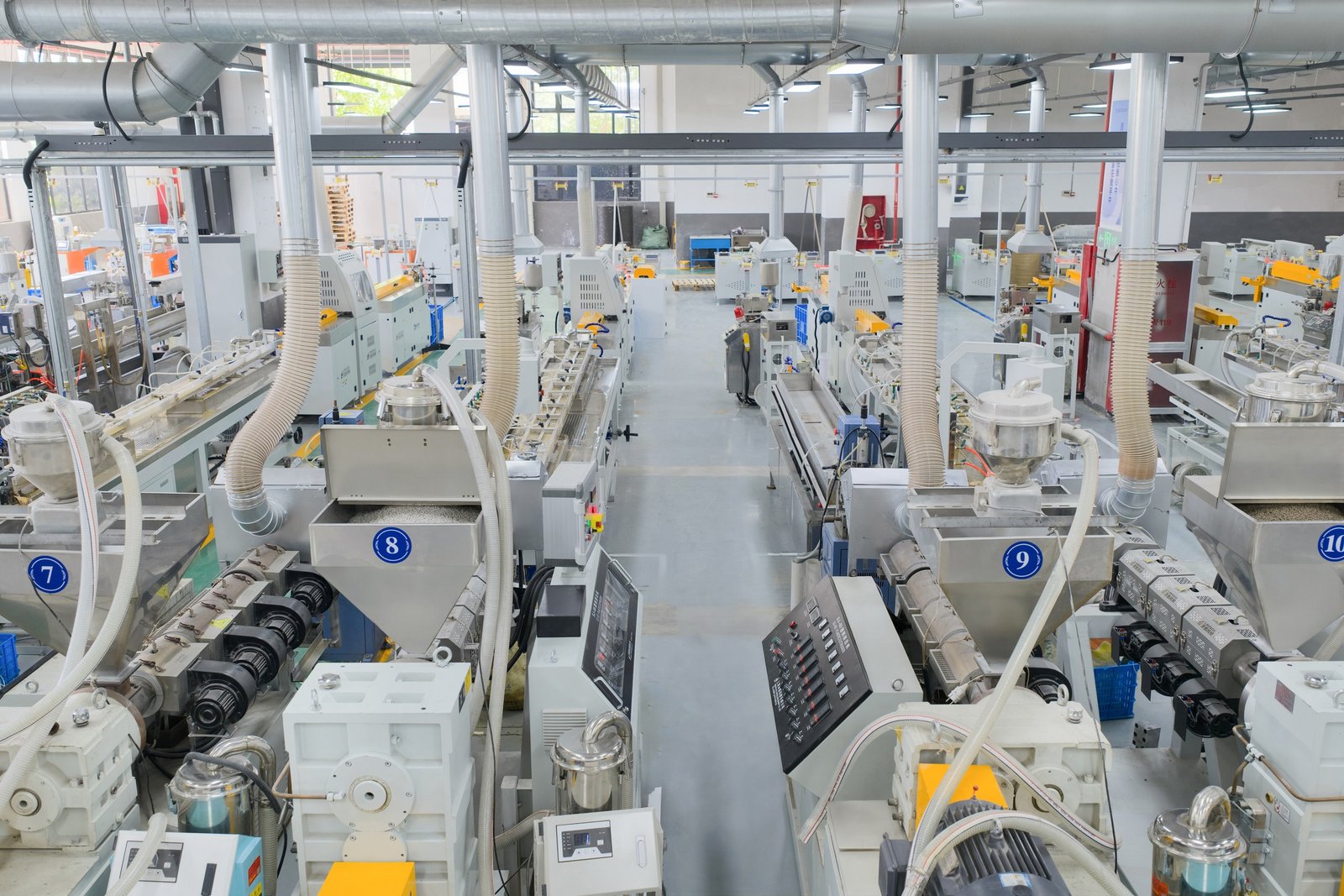
Raw material prices can change quickly, but distributors cannot always adjust their selling prices at the same speed. This gap can reduce profit margins and create supply risks.
I believe raw material fluctuations affect PVC edge banding through three main areas: production costs, purchasing prices, and manufacturing schedules. Buyers need to understand the materials behind the product and how manufacturers manage cost changes. This knowledge can help distributors make better purchasing decisions and avoid unnecessary supply risks.
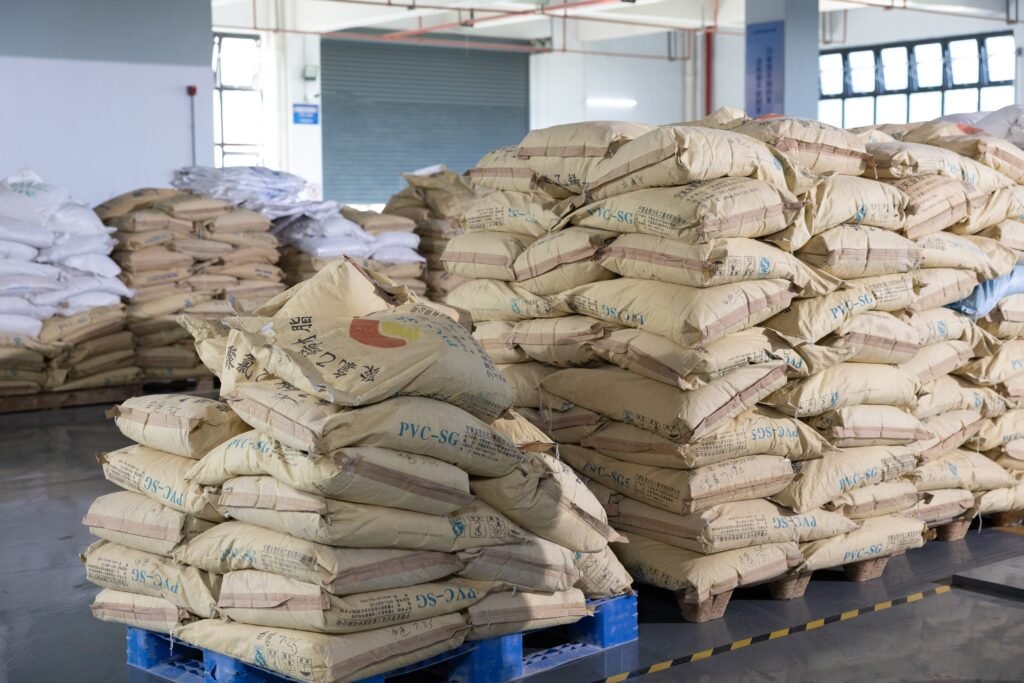
When I discuss PVC edge banding prices with buyers, I do not look at the price of PVC resin alone. A finished edge banding product contains several materials, and each material has a different role in production. The cost of pigments, fillers, stabilizers, processing aids, energy, and packaging can also affect the final quotation.
The impact is not always immediate. A manufacturer may still have raw materials purchased at an earlier price. Another manufacturer may need to purchase new materials at a higher market price. These differences can lead to different quotations, even when both manufacturers produce products with similar specifications.
I also believe buyers should pay attention to supply stability. A low quotation has little value if the manufacturer cannot maintain the same product quality or deliver orders on time. To understand this issue, I will first look at the main materials used in PVC edge banding and then explain how their price changes affect the whole supply chain.
Which Raw Materials Have the Biggest Impact on PVC Edge Banding Prices?
PVC edge banding manufacturers depend on several raw materials, and each one affects production in a different way. If buyers only follow PVC resin prices, they may miss other cost changes that can affect the final product.
I believe buyers should understand the main material groups before comparing quotations from different manufacturers.
Why Is PVC Resin Important?
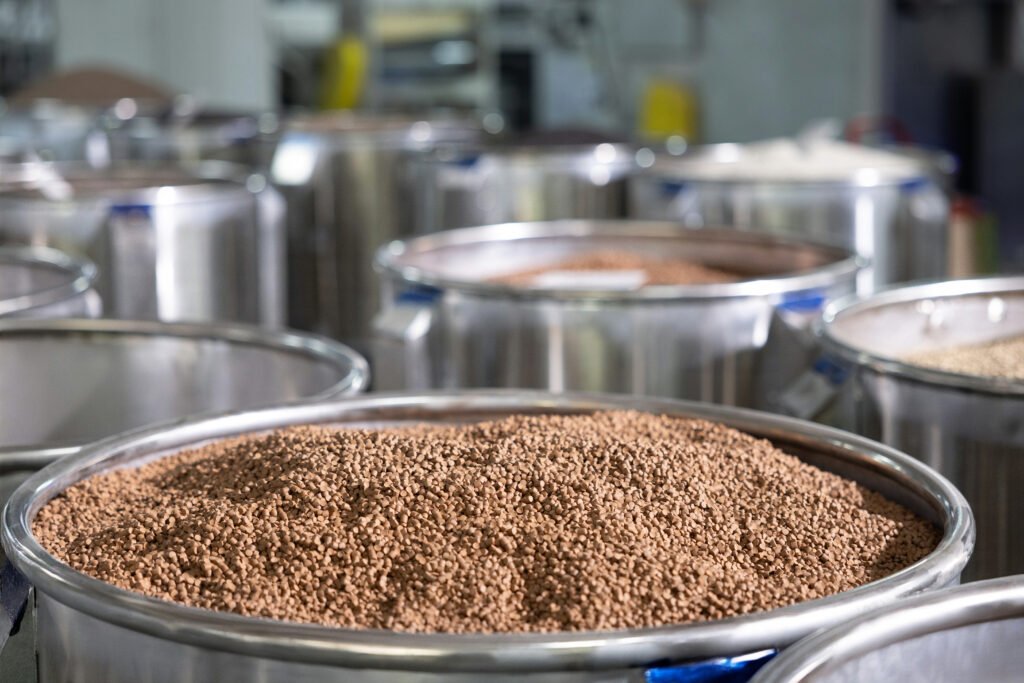
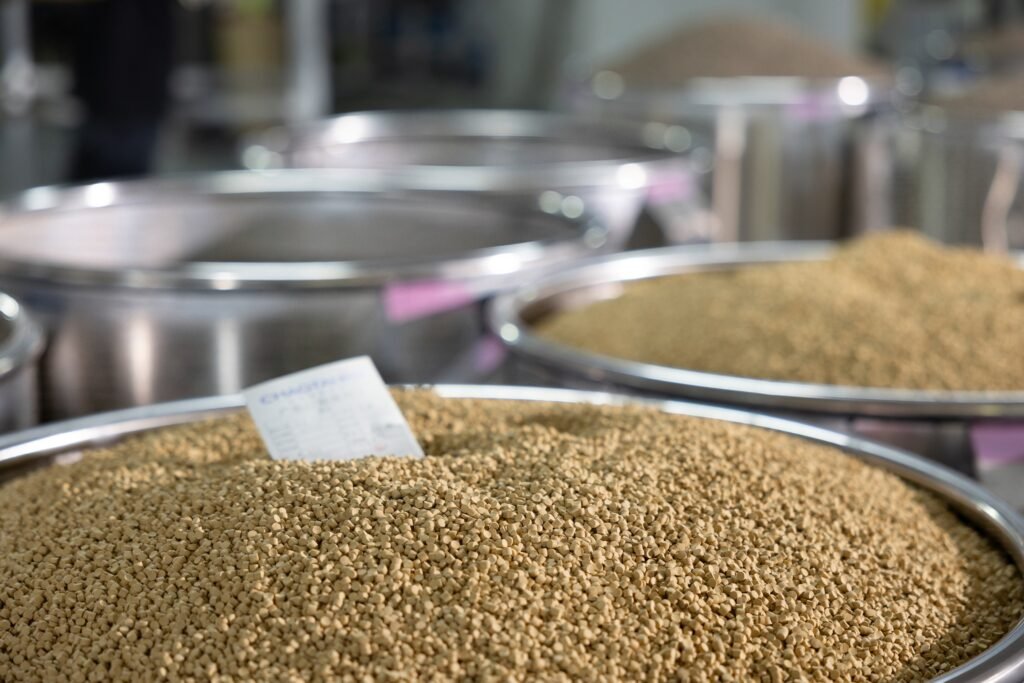
PVC resin is the main polymer material in PVC edge banding. It provides the basic structure of the product and affects important properties such as strength, flexibility, and processing performance.
Manufacturers need to select suitable PVC resin grades for their production process. Different grades may have different processing requirements and performance characteristics. A change in resin quality can affect extrusion stability and the consistency of the finished edge banding.
When PVC resin prices increase, manufacturers may face higher material costs. The impact depends on the amount of resin used in the formulation, the purchase price, and the quantity of resin already held in inventory.
I would not assume that every manufacturer will increase its quotation immediately after a resin price increase. Some manufacturers may still have lower-cost inventory. Others may have long-term purchasing agreements. The timing of the cost change is important.
How Do Calcium Carbonate and Other Additives Affect Costs?
Calcium carbonate is commonly used as a mineral filler in PVC formulations. It can help manufacturers control material costs and adjust product properties. However, the amount and quality of calcium carbonate matter.
A higher filler content may reduce the amount of PVC resin required, but it does not automatically produce a better or more cost-effective product. Manufacturers still need to control formulation, dispersion, and processing conditions.
Other additives also have important roles:
- Plasticizers: They can improve flexibility in formulations where they are used.
- Heat stabilizers: They help protect PVC during processing at high temperatures.
- Lubricants and processing aids: They support extrusion and improve processing performance.
- Pigments: They provide the required color and affect color consistency.
- Impact modifiers: They can improve impact performance in suitable formulations.
I would pay particular attention to pigments when buying decorative PVC edge banding. A small difference in pigment quality or formulation can affect the final color. This can create problems when customers need to match edge banding with furniture panels.
Which Materials Have the Greatest Cost Impact?
The cost contribution of each material depends on the manufacturer’s formulation, purchasing volume, and product specification. I would not use one fixed percentage to describe every PVC edge banding factory.
| Raw material | Main function | Possible impact on production costs |
|---|---|---|
| PVC resin | Main polymer structure | High, depending on formulation |
| Calcium carbonate | Mineral filler | Depends on loading and grade |
| Plasticizers | Flexibility in applicable formulations | Depends on product design |
| Heat stabilizers | Thermal protection during processing | Depends on formulation |
| Pigments | Color and appearance | More noticeable in special colors |
| Processing aids | Extrusion and surface performance | Depends on production requirements |
The table shows why two products with the same thickness and width may not have the same manufacturing cost. Their material formulations and quality requirements may be different.
I also consider energy and packaging costs when evaluating quotations. Electricity is needed for extrusion, cooling, cutting, and other production steps. Packaging materials and labor also contribute to the final cost.
For this reason, I prefer to evaluate a quotation based on the complete product specification. Buyers should compare material quality, thickness, width, color requirements, surface finish, and packing units instead of looking at the price per kilogram alone.
How Do Raw Material Price Fluctuations Affect PVC Edge Banding Prices?
Raw material price changes can influence PVC edge banding quotations, but the relationship is not always direct. A change in resin prices does not mean the finished product price must change by the same percentage.
I believe buyers need to understand how manufacturers calculate costs and how quickly those changes move through the supply chain.
How Does a Raw Material Price Change Reach the Final Quotation?
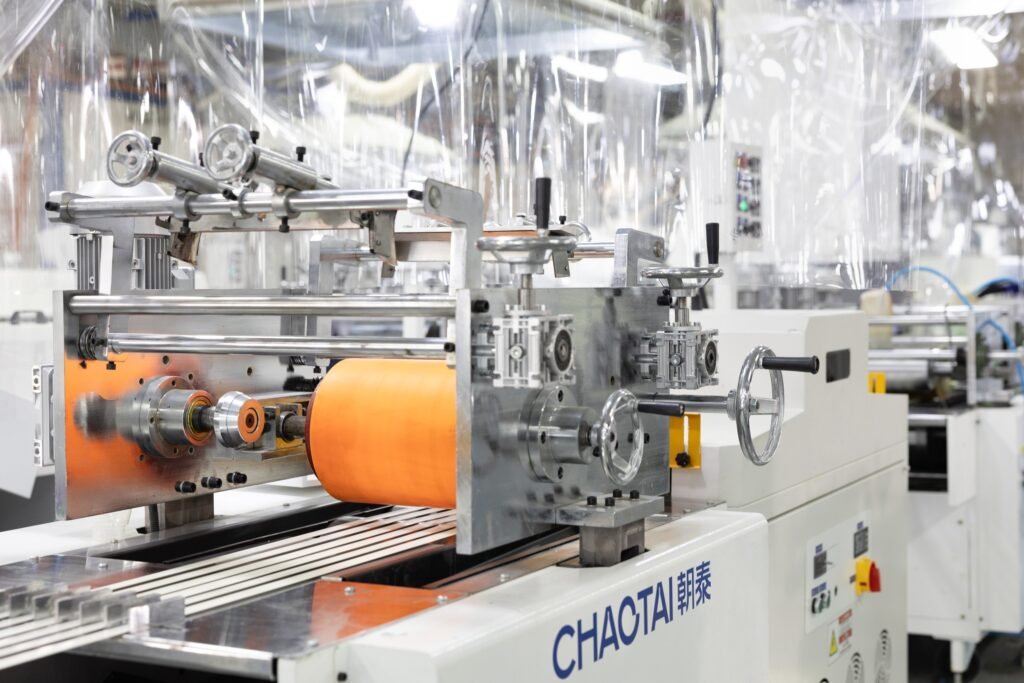
A manufacturer usually purchases raw materials before production. The purchase cost then becomes part of the production cost of the finished product.
When the price of PVC resin increases, the manufacturer may face higher costs when purchasing new inventory. The effect on the finished product depends on how much resin the product uses and how much material the manufacturer already has.
I would use a simple example to explain this relationship.
Suppose a PVC edge banding formulation uses 60% PVC resin by material weight. If the resin purchase price increases by 10%, the direct material cost of the formulation does not increase by 10%. The actual increase depends on the resin’s share of the original total material cost.
If resin represents 60% of the material cost, a 10% increase in resin price would increase the total material cost by approximately 6%, assuming all other material prices and quantities remain unchanged.
This is a simplified calculation. It does not include changes in production efficiency, energy, labor, packaging, or other costs.
Why Do Manufacturers Adjust Prices at Different Times?
I have to consider the inventory cycle when comparing supplier quotations.
A manufacturer that purchased several months of PVC resin at a lower price may continue to use that inventory. Another manufacturer may have already purchased new materials at a higher price.
Their current production costs may therefore be different.
The following factors can explain why quotation changes do not happen at the same time:
- Raw material inventory: Existing stock may delay the impact of market price changes.
- Purchasing agreements: Long-term agreements may reduce short-term price changes.
- Production schedules: Some orders may already be based on confirmed material costs.
- Supplier pricing policies: Manufacturers may review quotations weekly, monthly, or when costs reach a certain level.
- Market competition: Manufacturers may absorb part of a cost increase to protect important customer relationships.
I would not expect manufacturers to reduce prices immediately when raw material prices fall either. They may still be using higher-cost inventory or dealing with other increased expenses.
How Can Buyers Understand the Real Cost Change?
I recommend asking manufacturers for a clear explanation when quotations change significantly. Buyers do not need access to every confidential purchasing record, but they should understand the main reasons behind a price adjustment.
| Cost factor | Question buyers should ask |
|---|---|
| PVC resin | Has the resin purchase cost changed? |
| Other additives | Have stabilizers, pigments, or fillers become more expensive? |
| Energy | Have production energy costs increased? |
| Exchange rate | Does the manufacturer purchase materials in foreign currencies? |
| Inventory | Is the quotation based on existing or newly purchased materials? |
| Order quantity | Does the price change with production volume? |
I also recommend comparing quotations over the same period and under the same specifications. A price comparison is not useful when one supplier quotes a different formulation, packing unit, or delivery condition.
For distributors, the most important point is to understand the cost structure before deciding whether to accept a price increase. A transparent explanation is more useful than a general statement that raw material prices have gone up.
How Can Raw Material Shortages Disrupt PVC Edge Banding Supply Stability?
Raw material price increases are not the only problem. A shortage can create even greater pressure because manufacturers may not be able to purchase enough materials to maintain normal production.
I believe buyers should pay attention to material availability, production capacity, and delivery schedules at the same time.
How Can Material Shortages Affect Production Schedules?
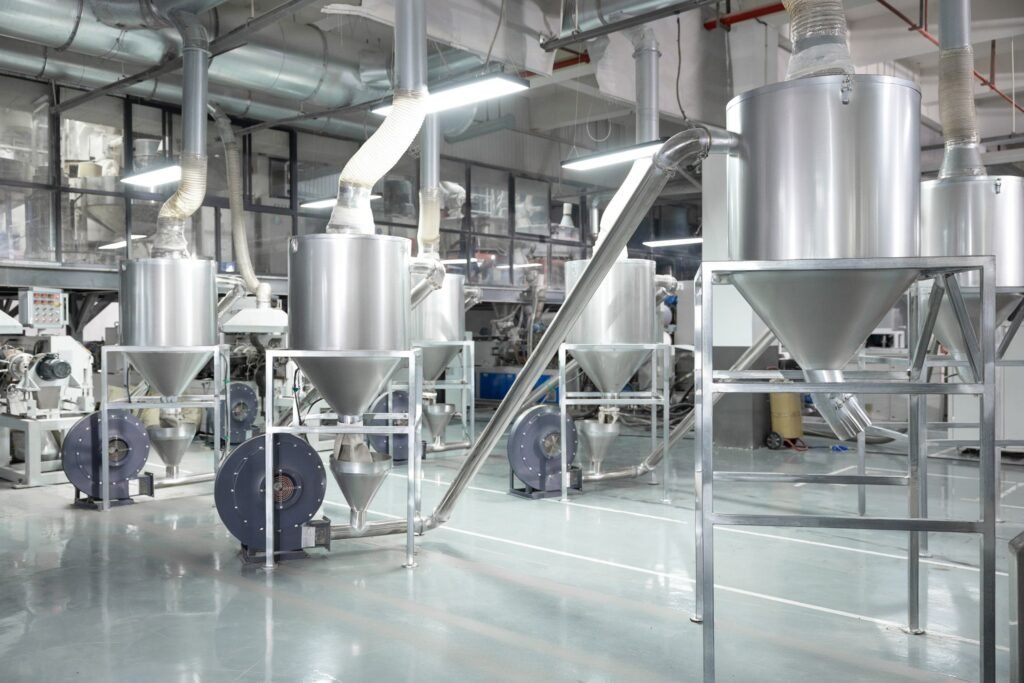
PVC edge banding production depends on a stable supply of suitable raw materials. If a manufacturer cannot obtain the required PVC resin or additives, the production schedule may change.
For example, a shortage of a specific stabilizer or pigment may affect more than one product line. Even if the manufacturer has enough PVC resin, it may not be able to produce the required color or formulation without the missing material.
This can lead to several problems:
- Production orders may be delayed.
- Manufacturers may need to change production schedules.
- Some colors or specifications may become temporarily unavailable.
- Delivery times may become longer.
- Manufacturers may need to purchase materials from alternative suppliers.
I would not assume that a factory with a large production capacity can always avoid these problems. Production capacity and raw material availability are two different things.
A factory may have enough extrusion lines to produce a large quantity of edge banding, but those lines cannot operate normally without the right materials.
Why Can Alternative Materials Create Quality Risks?
When a regular raw material becomes difficult to obtain, a manufacturer may consider using another supplier or material grade.
This decision needs careful control. Different suppliers may offer materials with different processing characteristics, even when the product names and basic specifications look similar.
For PVC edge banding, changes in raw materials or formulations may affect color, flexibility, surface quality, dimensional stability, and processing behavior.
I believe manufacturers should test alternative materials before using them in regular production. They should also compare the finished products with approved samples.
| Supply problem | Possible production impact | Recommended control |
|---|---|---|
| PVC resin shortage | Production delays | Maintain qualified material suppliers |
| Pigment shortage | Color production delays | Plan color-specific material supply |
| Stabilizer shortage | Formulation and processing risks | Approve alternative grades through testing |
| Additive price increase | Higher production costs | Review purchasing and formulation costs |
| Logistics disruption | Late raw material arrivals | Prepare realistic supply lead times |
Buyers should also understand that changing a raw material supplier does not always mean the finished product will become unacceptable. A qualified alternative may work well. The important issue is whether the manufacturer tests and controls the change.
How Do Supply Problems Affect Distributors and Furniture Factories?
For distributors, a delayed shipment can affect more than one customer order. A distributor may have already promised delivery dates to several furniture manufacturers.
If the supplier cannot deliver the required colors or specifications, the distributor may need to find alternative products or explain the delay to customers.
Furniture factories can face even greater pressure when edge banding is needed for a scheduled production run. Missing materials may interrupt the matching process between panels and edge banding.
I would therefore ask suppliers about material availability before confirming urgent orders. I would also ask whether the manufacturer has enough qualified raw materials for the complete order, not just enough capacity to start production.
A reliable supplier should communicate potential shortages early. Early information gives buyers more time to adjust orders, arrange alternative specifications, or inform their own customers.
Have a spec or project to discuss?
Send your panel, thickness, finish and volume. Our engineers reply with a matched color, sample plan and price — usually within 24 hours.
Request a Quote1,000+ stock colors · Swatches on request
How Can Distributors Manage Purchasing Risks During Raw Material Price Changes?
Distributors cannot control global raw material prices, but they can control how they purchase products and manage inventory. I believe the best approach is to avoid making large purchasing decisions based only on short-term market movements.
Should Distributors Buy More When Raw Material Prices Are Rising?
Buying more products before a price increase may seem like a good way to protect profit margins. However, this strategy can create a different problem if customer demand becomes weaker.
I would first check the current inventory, confirmed orders, average monthly sales, and expected supplier lead time.
For example, a distributor that normally sells 1,000 rolls per month may consider purchasing additional stock when a price increase is expected. But if the distributor already has 2,500 rolls in the warehouse, another large purchase may not be necessary.
I would use a simple purchasing calculation:
Required Purchase Quantity = Forecast Demand + Safety Stock − Available Inventory − Confirmed Incoming Stock
This formula helps prevent unnecessary purchases. It also makes the purchasing decision easier to explain to management.
How Can Split Purchasing Reduce Price Risk?
I prefer split purchasing when market prices are changing quickly and customer demand is not fully confirmed.
Instead of purchasing the entire estimated seasonal quantity at once, distributors can divide the order into several batches.
| Purchasing method | Advantage | Main risk |
|---|---|---|
| One large purchase | May secure a lower unit price | High inventory and cash pressure |
| Split purchasing | Reduces exposure to one purchase date | Later batches may cost more |
| Order-based purchasing | Limits stock of special products | Longer customer delivery time |
| Long-term agreement | Can improve supply planning | May reduce purchasing flexibility |
Split purchasing does not guarantee the lowest price. If raw material prices continue to rise, later orders may cost more. However, it can reduce the risk of holding too much inventory when demand changes.
How Should Distributors Protect Their Profit Margins?
I would not calculate profit based only on the difference between the old purchase price and the current selling price.
Distributors should also consider replacement costs. If they sell existing inventory at an old price, they may need to purchase replacement products at a higher price.
This can reduce the actual profit available for the next sales cycle.
I recommend reviewing selling prices regularly and setting clear quotation validity periods. For example, a distributor may provide a quotation valid for 15 or 30 days, depending on supplier pricing stability and the customer’s purchasing cycle.
For large orders, I would also discuss whether the manufacturer can confirm the price after receiving a deposit or formal purchase order.
The terms should be clear to both sides. A distributor should not promise a fixed price to customers if the supplier cannot provide the same level of price stability.
Which Products Should Receive Priority?
I would give priority to products with regular demand and clear customer requirements. Standard colors and common specifications may justify a certain level of safety stock.
Special colors, unusual widths, and low-volume products should receive more careful purchasing control.
I would also separate inventory decisions by product type. PVC edge banding, ABS edge banding, and other materials may have different suppliers, costs, and lead times.
This approach helps distributors protect cash flow while maintaining enough stock to serve their main customers.
What Should Buyers Look for in a PVC Edge Banding Manufacturer During Market Volatility?
Raw material fluctuations can affect every manufacturer, but not every manufacturer manages these changes in the same way. I believe buyers should evaluate the supplier’s purchasing ability, production control, quality management, and communication instead of choosing a manufacturer based only on the lowest quotation.
Does the Manufacturer Have Stable Raw Material Sources?
I would first ask whether the manufacturer works with stable raw material suppliers.
A manufacturer that depends on only one source may face greater supply pressure when that supplier has production or delivery problems.
I would not require every factory to disclose confidential supplier information. However, the manufacturer should be able to explain how it manages material purchasing risks and whether it has qualified alternative sources.
I would also ask how the factory evaluates changes in raw material grades. A stable supplier should not replace important materials without checking the impact on the finished product.
Can the Manufacturer Maintain Consistent Product Quality?
Price changes should not lead to uncontrolled changes in product quality.
For PVC edge banding, I would pay attention to thickness, width, color consistency, surface finish, flexibility, and bonding performance.
I would also ask whether the manufacturer has a clear process for raw material inspection and finished product testing.
The following table shows the areas I would check before starting a long-term partnership.
| Evaluation area | What I would check |
|---|---|
| Raw material sourcing | Stable suppliers and qualified alternatives |
| Incoming inspection | Material specifications and batch records |
| Formulation control | Consistent material ratios and production standards |
| Color management | Color matching and batch consistency |
| Production capacity | Ability to handle additional orders |
| Delivery performance | Actual lead times and on-time delivery records |
| Quality documentation | Inspection reports and product specifications |
I would also request samples before placing a large order. The sample should match the actual production requirements, not just the appearance shown in a catalog.
For distributors serving furniture manufacturers, consistent color and specification control can be more important than a small difference in the purchase price.
Can the Manufacturer Provide Flexible Production and Delivery?
A manufacturer with flexible production planning can help distributors respond to market changes.
For example, a distributor may need to increase the quantity of common colors while reducing orders for slower-moving products. The manufacturer should be able to discuss production schedules and realistic delivery arrangements.
I would ask about minimum order quantities, production lead times, sample approval, and the possibility of combining different specifications in one order.
I would also check whether the factory can provide clear updates when raw material costs or availability change.
Why Should Buyers Look Beyond the Lowest Price?
A low quotation may not reflect the complete purchasing cost.
If a manufacturer offers a lower price but frequently changes product specifications or delays delivery, the distributor may face additional costs. These costs can include customer complaints, replacement shipments, emergency purchases, and lost orders.
I prefer to compare suppliers based on total purchasing value.
A good manufacturer should offer competitive pricing, stable quality, clear communication, and reliable delivery. These factors help distributors plan inventory with more confidence.
I also believe long-term cooperation becomes more important during periods of market volatility. When manufacturers understand a distributor’s regular products and purchasing patterns, both sides can plan raw materials and production schedules more effectively.
- How Should Buyers Specify Roll Length, Core Size, and Packing Units for Edge Banding Orders? →
- How Can Distributors Plan Mixed-SKU Edge Banding Orders for Container Shipping? →
- Environmental Protection Edgebanding Strip: Comparison of World and CT Edgeband Execution Standards →
- The Extrusion Process Behind Every PVC Edgeband Roll →
Quality Control From Raw Material to Final Roll
How incoming raw material, formulation and finished rolls are checked batch by batch, so a cost change never becomes a quality change.
See the QC Process
Conclusion
Raw material movements reach distributors long before they reach a quotation, and the manufacturers who explain those movements clearly are the ones worth keeping. Knowing which materials carry the cost, how much of a price change actually passes through, and what a shortage does to a delivery date turns a volatile market into a planning problem rather than a surprise.
Buyers who track material cost, availability, and supplier behaviour together can protect both margin and supply, even when resin and additive prices move faster than the selling price.