Edge banding plays an important role in furniture appearance, durability, and overall product quality. However, many furniture manufacturers still face common edge banding problems during production, such as peeling, lifting, cracks, white lines, and uneven finishing.
These issues not only affect the appearance of furniture but can also increase production waste, customer complaints, and after-sales costs.
Understanding the causes of edge banding failures and how to prevent them can help manufacturers improve production efficiency and deliver better-quality furniture products.
What Are the Most Common Edge Banding Problems in Furniture Production?
During furniture manufacturing, edge banding problems usually happen because of incorrect material selection, unsuitable processing conditions, or unstable raw material quality.

The most common issues include:
1. Edge Banding Peeling or Detachment
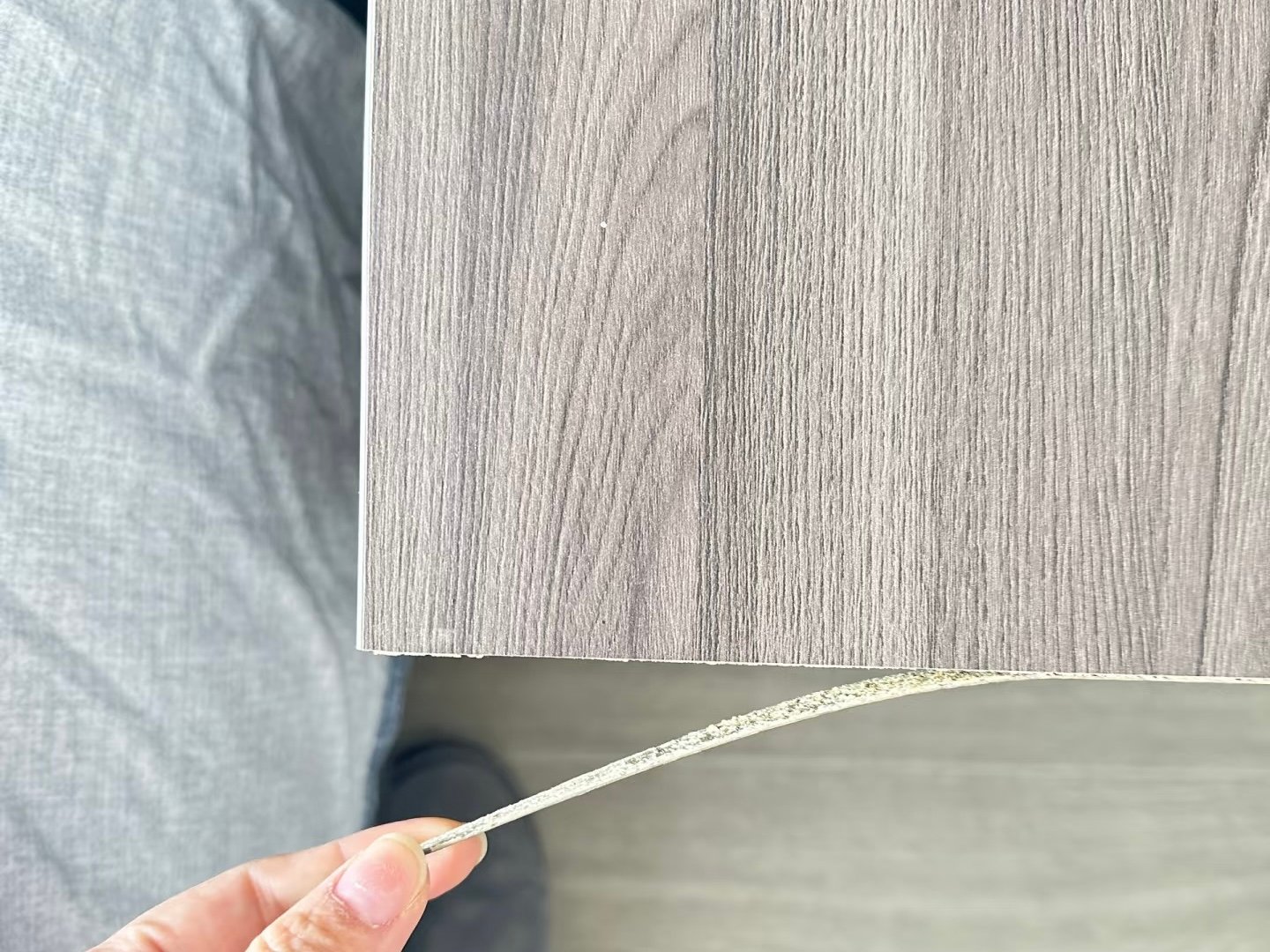
Edge banding peeling is one of the most common quality problems in furniture production.
It usually happens when the adhesive does not create a strong bond between the edge banding and the panel surface.
Common causes include:
- Incorrect hot melt adhesive selection
- Insufficient heating temperature
- Uneven glue application
- Dust or contamination on the panel edge
- Poor-quality edge banding material
To prevent peeling problems, manufacturers should ensure proper adhesive compatibility and maintain stable processing parameters.
2. Edge Banding Lifting at Corners
Corners are often the weakest area during edge banding processing.
Lifting may occur after trimming, transportation, or long-term use.
Possible causes include:
- Incorrect trimming settings
- Excessive tension during application
- Poor flexibility of the edge banding material
- Insufficient adhesive bonding
For furniture with curved or complex designs, selecting edge banding with good flexibility and impact resistance is especially important.

3. White Lines Appearing on Edge Banding
White lines or whitening effects often reduce the visual quality of high-end furniture.
This problem is usually related to:
- Improper heating temperature
- Excessive stretching during application
- Incorrect processing speed
- Material stress after bending
Manufacturers should carefully control temperature, pressure, and machine speed to achieve a smooth and seamless finish.
4. Cracking After Processing or Use
Cracking usually happens when the edge banding material cannot handle the required bending or environmental conditions.
Common reasons include:
- Incorrect thickness selection
- Poor material flexibility
- Low temperature resistance
- Improper storage conditions
Choosing the right edge banding material based on furniture application can significantly reduce cracking risks.
Why Does Edge Banding Quality Affect Furniture Production Costs?
Many manufacturers focus only on the purchase price of edge banding. However, unstable edge banding quality can create additional hidden costs.
Poor-quality edge banding may lead to:
- Higher production waste
- More rework time
- Increased machine adjustment frequency
- Customer complaints
- Additional after-sales service costs
For furniture manufacturers, choosing stable and reliable edge banding is not only about appearance but also about production efficiency and long-term profitability.
How Can Manufacturers Prevent Edge Banding Problems?
1. Choose the Right Edge Banding Material
Different furniture applications require different edge banding materials.
For example:
- PVC edge banding is widely used because of its flexibility, cost efficiency, and wide range of colors and textures.
- ABS edge banding is often selected for projects requiring higher environmental performance and premium appearance.
Manufacturers should choose materials based on product positioning, processing requirements, and customer expectations.
2. Select the Correct Thickness and Width
Incorrect thickness selection can cause finishing problems.
For example:
- Thin edge banding is suitable for standard furniture applications.
- Thicker edge banding provides better impact resistance and a more premium appearance.
The width should also match the panel thickness to ensure proper trimming and a clean final result.
3. Control Processing Parameters
Even high-quality edge banding can fail if production parameters are incorrect.
Important factors include:
- Temperature control
- Glue amount
- Machine pressure
- Feeding speed
- Trimming accuracy
Regular equipment maintenance and process monitoring can help reduce quality issues.

4. Work With a Reliable Edge Banding Supplier
Supplier stability directly affects furniture production quality.
A professional edge banding supplier should provide:
- Consistent material quality
- Accurate color matching
- Stable thickness tolerance
- Reliable delivery schedules
- Technical support for production issues
For manufacturers and distributors, a reliable supplier helps reduce quality risks and improve customer satisfaction.
How Does CHAOTAI Help Reduce Edge Banding Quality Problems?
As a professional edge banding manufacturer, CHAOTAI focuses on stable production processes, strict quality control, and customized solutions for furniture manufacturers and distributors.
We provide:
- PVC, ABS, Acrylic, PP, and other edge banding materials
- Customized colors, sizes, and thickness options
- Stable quality control during production
- Support for different furniture applications
With professional manufacturing experience and advanced production systems, CHAOTAI helps customers reduce edge banding failures and achieve better furniture finishing results.
Conclusion
Edge banding problems such as peeling, lifting, cracking, and whitening can affect both furniture appearance and production efficiency.
The best way to prevent these issues is to choose suitable materials, control processing conditions, and cooperate with a reliable edge banding supplier.
For furniture manufacturers and distributors, investing in stable edge banding quality means fewer production problems, lower costs, and better customer satisfaction.