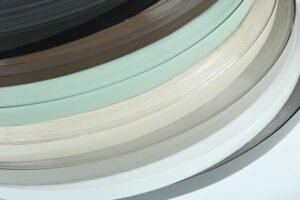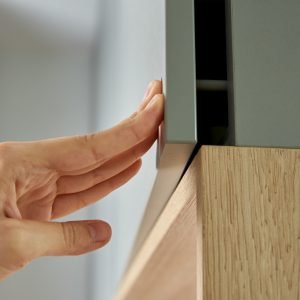

Low-quality edge banding leads to peeling edges, moisture damage, and early furniture failure. I often see these problems appear after installation, when fixing them becomes costly and frustrating.
PVC edge banding plays a key role in cabinets, wardrobes, and panel furniture by protecting panel edges, improving durability, and creating a finished look that meets modern quality and design expectations.
I have worked with many furniture buyers and factories. Many of them focus on board quality and hardware first. They often underestimate edge banding. In real use, edge banding decides how furniture ages. Below, I explain how PVC edge banding works in different furniture applications and how to apply it correctly.
Why PVC Edge Banding Is Essential in Cabinet, Wardrobe, and Panel Furniture Applications?
Poor edge protection exposes panels to water, impact, and dirt. Once the edge fails, the whole panel loses value, even if the core board is strong.
PVC edge banding is essential because it seals panel edges, protects against moisture and impact, and improves the appearance and lifespan of cabinet, wardrobe, and panel furniture.

Edge Protection and Panel Sealing
I always treat panel edges as the weakest point of furniture. MDF and particleboard absorb moisture quickly. PVC edge banding forms a physical barrier. This barrier slows water penetration and reduces swelling.
Structural and Functional Benefits
PVC edge banding also adds edge strength. It reduces chipping during transport and daily use. In kitchens and storage areas, this matters more than design alone.
| Function | Without Edge Banding | With PVC Edge Banding |
|---|---|---|
| Moisture resistance | Very low | High |
| Impact protection | Weak edges | Reinforced edges |
| Visual finish | Raw board | Clean and finished |
Cost and Long-Term Value
Some buyers avoid higher-quality edge banding to save cost. I see this decision cause higher after-sales cost later. Replacing damaged panels costs more than using proper PVC edge banding from the start.
Common Cabinet Applications of PVC Edge Banding and Functional Requirements?
Cabinets face heat, water, and frequent contact. If edge banding fails here, customers notice fast.
In cabinet applications, PVC edge banding must resist moisture, heat, and impact while maintaining stable color and clean trimming results.

Kitchen Cabinet Environments
Kitchen cabinets face steam, oil, and temperature changes. I always recommend PVC edge banding with good heat resistance and stable formulation. Low-grade PVC softens near cooking areas.
Door Panels and Carcass Panels
Cabinet doors need visual consistency. Carcass panels need sealing strength. These needs are different, but both rely on strong adhesion and clean trimming.
| Cabinet Part | Main Requirement | Edge Banding Focus |
|---|---|---|
| Door panels | Appearance | Color and gloss |
| Side panels | Protection | Thickness and density |
| Shelves | Load support | Impact resistance |
Adhesive Compatibility
Most cabinet lines use EVA or PUR adhesives. PVC edge banding must bond well with both. I often test sealing under real machine speed, not lab conditions.
How PVC Edge Banding Is Used in Wardrobes and Built-In Storage Furniture?
Wardrobes focus on appearance and long-term use. Customers interact with these surfaces daily.
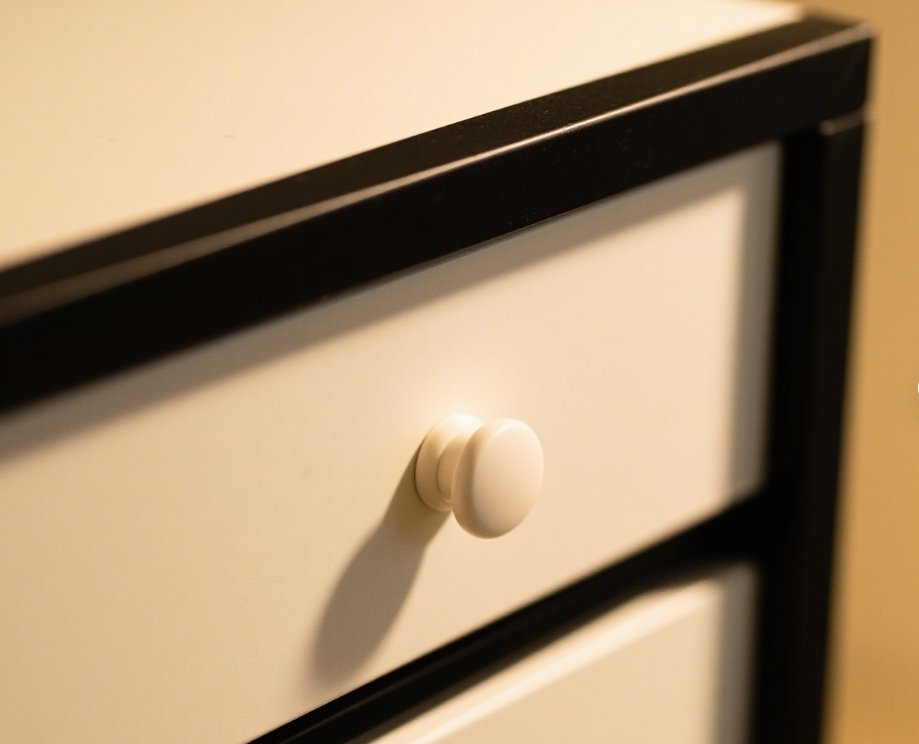
In wardrobes and built-in furniture, PVC edge banding supports large surfaces, consistent color, and smooth touch while resisting daily wear.
Large Panel Surfaces
Wardrobes use tall panels. Any color mismatch becomes obvious. I always suggest strict batch color control for wardrobe projects.
Human Contact and Safety
People touch wardrobe edges often. Sharp or chipped edges cause complaints. PVC edge banding with good flexibility reduces edge sharpness after trimming.
| Wardrobe Area | User Contact | Edge Banding Need |
|---|---|---|
| Doors | High | Smooth surface |
| Shelves | Medium | Wear resistance |
| Side panels | Low | Stable sealing |
Long-Term Stability
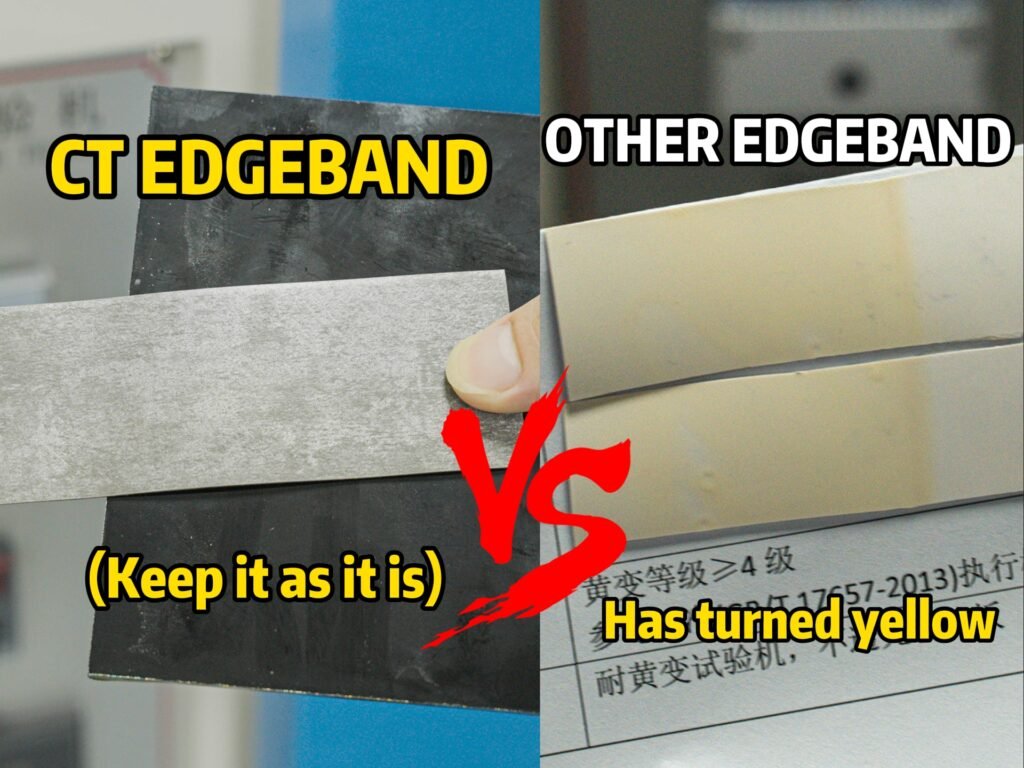
Wardrobes stay in place for years. Edge banding must resist aging. Poor material yellows or shrinks over time. I check aging data when selecting suppliers.
PVC Edge Banding Solutions for Panel Furniture: Durability and Aesthetic Balance?
Panel furniture often targets cost control. Quality balance becomes critical.
For panel furniture, PVC edge banding must balance durability and appearance while remaining cost-effective for mass production.

Mass Production Needs
Panel furniture runs at high speed. Edge banding must trim cleanly and seal fast. Poor materials slow production and increase scrap rates.
Design Flexibility
Panel furniture covers many styles. PVC edge banding supports solid colors, woodgrain, and textured finishes. This flexibility is a key advantage.
| Factor | Low Quality Risk | High Quality Result |
|---|---|---|
| Trimming speed | Burrs | Clean edges |
| Texture match | Visual mismatch | Natural look |
| Production waste | High | Controlled |
Durability in Transport and Use
Panel furniture travels long distances. Edge banding protects corners during transport. I always consider impact resistance for export projects.
How to Choose the Right PVC Edge Banding for Different Furniture Applications?
Choosing the wrong edge banding creates hidden risks. Application-based selection reduces failure.
The right PVC edge banding depends on furniture type, environment, panel material, and production method, not just thickness or price.

Match Edge Banding to Application
I never recommend one type for all uses. Kitchen cabinets need higher heat resistance. Wardrobes need better color control.
| Application | Key Priority | Recommended Focus |
|---|---|---|
| Kitchen cabinets | Moisture and heat | Material stability |
| Wardrobes | Appearance | Color accuracy |
| Panel furniture | Efficiency | Trimming performance |
Test Before Mass Orders
I always advise testing samples on real machines. Lab data helps, but real conditions matter more.
Supplier Capability Matters
A good supplier explains material choices and provides test data. This transparency builds long-term cooperation and stable quality.
Conclusion
PVC edge banding defines furniture durability, appearance, and value across cabinets, wardrobes, and panel furniture when chosen and applied correctly.
Data Sources and References
- European Committee for Standardization (CEN) – Furniture and edge banding related standards
https://standards.cencenelec.eu - PlasticsEurope – PVC material properties and performance
https://plasticseurope.org - European Panel Federation (EPF) – Wood-based panel usage data
https://europanels.org - Woodworking Network – Furniture manufacturing and edge banding applications
https://www.woodworkingnetwork.com