Introduction
Poorly finished corners are one of the most common quality problems in furniture manufacturing.
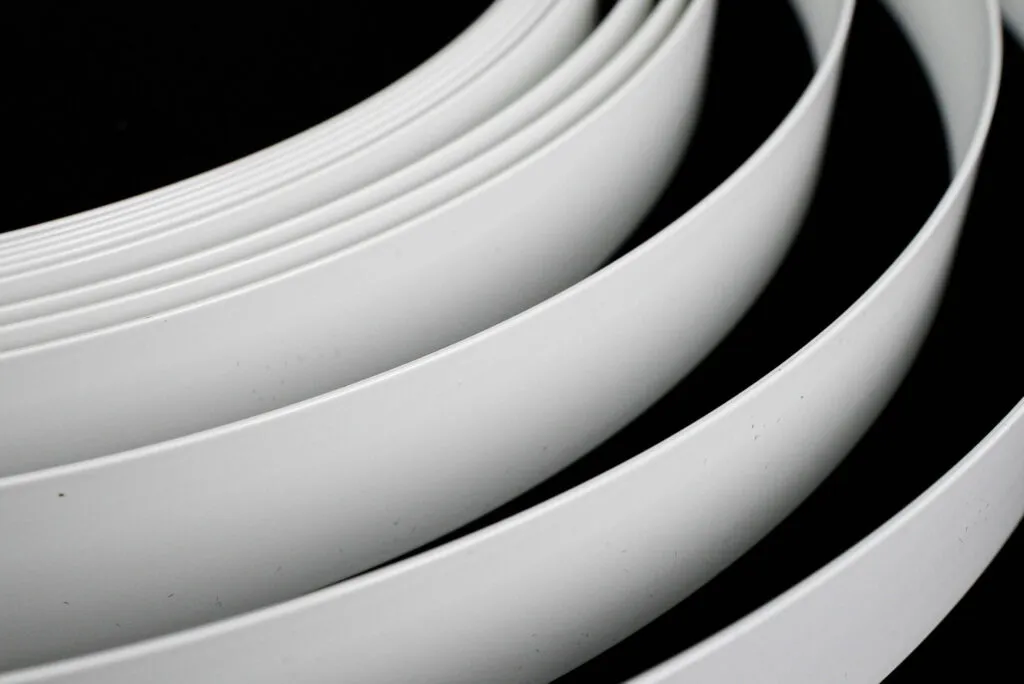
Although PVC edge banding is widely used because of its flexibility, cost efficiency and wide design options, improper material selection or incorrect processing can still cause problems such as:
- Visible gaps between edge banding and panels
- Corner chipping during trimming
- Uneven finishing appearance
- Edge banding peeling after production
For furniture manufacturers, these small defects can lead to:
- Customer complaints
- Rework costs
- Production delays
- Lower product quality perception
Understanding the causes of PVC edge banding problems helps manufacturers improve production efficiency and maintain consistent furniture quality.

Why Do PVC Edge Banding Corners Have Gaps?
One of the most common problems during edge banding production is visible gaps at corners.
When edge banding does not fully cover or bond with the panel edge, the final furniture appearance can be affected.
Common causes include:
1. Incorrect Edge Banding Thickness
Choosing the wrong thickness can create poor corner coverage.
For example:
- Thin edge banding may not provide enough protection
- Thick edge banding may create processing difficulties
Manufacturers should select suitable thickness based on:
- Panel thickness
- Furniture application
- Processing equipment
A stable edge banding thickness is important to achieve consistent corner finishing.
2. Insufficient Adhesive Bonding
Weak bonding between PVC edge banding and panels can create gaps over time.
Possible reasons include:
- Insufficient glue amount
- Incorrect adhesive temperature
- Poor glue compatibility
- Uneven glue application
Using suitable hot melt adhesive and controlling production parameters can reduce gap problems.
3. Poor Panel Edge Preparation
Before edge banding, the panel surface should be clean and properly prepared.
Dust, moisture or uneven cutting may affect bonding performance.
Manufacturers should ensure:
- Clean panel edges
- Proper trimming
- Stable machine settings
How to Fix Edge Banding Gaps and Uneven Joints?
When edge banding gaps appear, manufacturers should check several production factors.
Solution 1: Check Edge Banding Size Selection
Make sure the thickness and width match the panel requirements.
For example:
- Standard furniture often uses 1mm edge banding
- Premium applications may require 2mm edge banding
Choosing the correct specification improves corner coverage.
Solution 2: Adjust Machine Parameters
Common adjustments include:
- Glue temperature
- Machine pressure
- Feeding speed
- Trimming settings
Incorrect settings can prevent proper bonding between PVC edge banding and panels.
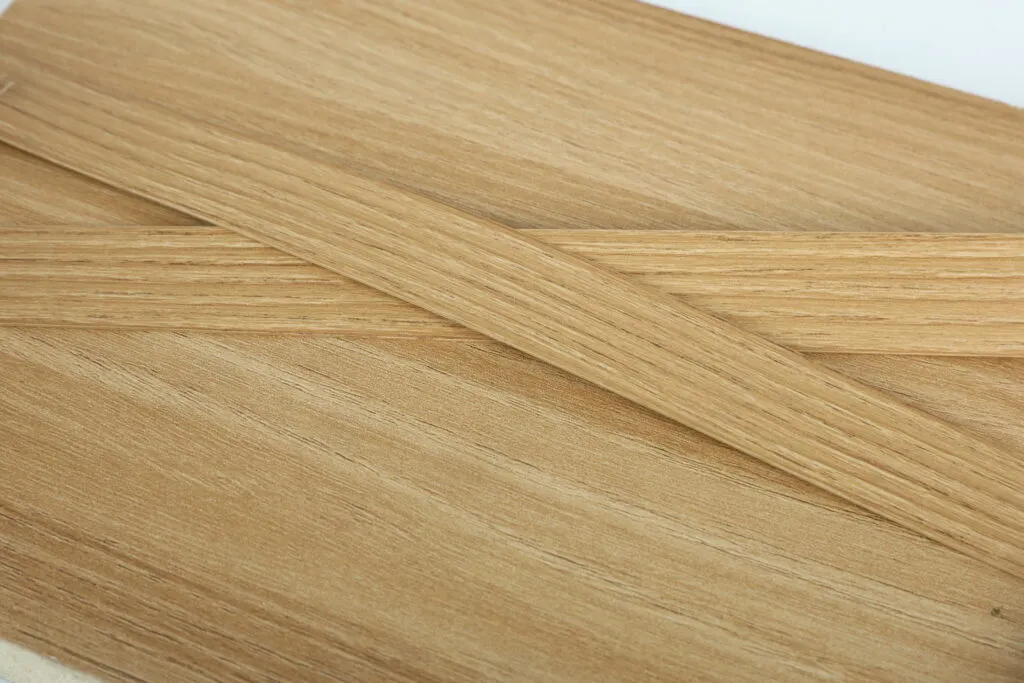
Solution 3: Use Stable Quality Edge Banding Materials
Material consistency directly affects production results.
A professional supplier should provide:
- Stable thickness tolerance
- Consistent flexibility
- Reliable surface quality
This helps reduce gaps during large-scale furniture production.
Why Does Edge Banding Chip Out at Corners?
Corner chipping is another common problem during edge banding processing.
When the edge banding or panel edge breaks during trimming, it affects both appearance and durability.
Common reasons include:
1. Blunt Cutting Tools
A worn trimming blade cannot cut smoothly.
This may cause:
- Rough edges
- Corner cracks
- Surface damage
Regular equipment maintenance is important for stable processing.
2. Incorrect Trimming Speed
Machine speed that is too fast may create excessive stress on the edge banding.
Manufacturers should adjust:
- Cutting speed
- Machine pressure
- Tool condition
according to different materials.

3. Poor Edge Banding Material Flexibility
Low-quality edge banding may become brittle during processing.
Especially at corners, insufficient flexibility can increase the risk of:
- Cracking
- Chipping
- Breaking
High-quality PVC edge banding with stable material performance helps improve corner durability.
Common PVC Edge Banding Corner Problems and Solutions
| Problem | Possible Cause | Solution |
|---|---|---|
| Corner gaps | Wrong thickness or insufficient glue | Select correct size and adjust bonding process |
| Edge banding chip out | Poor trimming tools or incorrect speed | Improve machine settings and blade condition |
| Peeling edges | Weak adhesive bonding | Check glue temperature and pressure |
| Uneven finishing | Material inconsistency | Choose stable quality edge banding |
| Corner cracking | Poor flexibility | Use reliable PVC edge banding materials |
How to Choose PVC Edge Banding for Better Corner Performance?
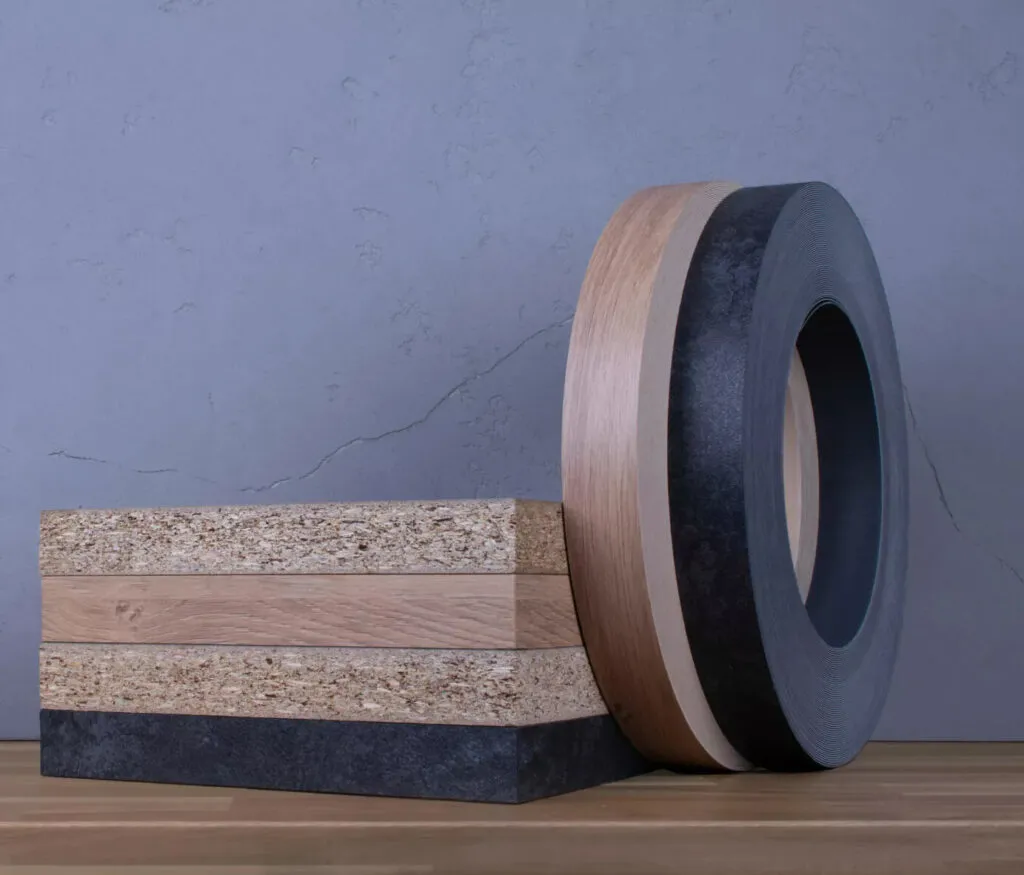
Choosing the right PVC edge banding supplier can significantly reduce production problems.
Manufacturers should evaluate:
1. Thickness Consistency
Thickness variation can affect:
- Machine processing
- Corner appearance
- Final furniture quality
Reliable suppliers should have strict quality control to maintain consistent specifications.
2. Material Flexibility
Good PVC edge banding should provide:
- Smooth bending performance
- Stable processing behavior
- Good corner finishing
This is especially important for curved furniture and complex designs.
3. Surface Quality and Color Stability
Furniture customers expect consistent appearance.
A professional supplier should control:
- Color matching
- Gloss consistency
- Surface defects
How Can Manufacturers Reduce PVC Edge Banding Defects?
To reduce production issues, furniture manufacturers should combine:
Better Material Selection
Choose edge banding based on:
- Furniture application
- Production requirements
- Market expectations
Proper Processing Control
Maintain:
- Correct machine settings
- Regular equipment maintenance
- Proper adhesive conditions
Reliable Supplier Cooperation
A professional supplier can provide:
- Stable production quality
- Consistent batches
- Technical support
This helps manufacturers avoid repeated quality problems.
Why Choose CT Edge Band Supply for PVC Edge Banding?
CT Edge Band Supply provides PVC edge banding solutions for furniture manufacturers, distributors and importers worldwide.
Our advantages include:
- Stable thickness control
- Professional color matching
- PVC, ABS and customized edge banding solutions
- Thickness from 0.3mm to 3mm
- Width from 12mm to 630mm
- 10,000+ colors and patterns
With strong production capability and quality control systems, CT Edge Band Supply helps customers reduce edge banding defects and improve furniture finishing quality.
Conclusion
PVC edge banding corner problems such as gaps, chips and uneven finishing are common challenges in furniture manufacturing.
Most problems are caused by:
- Incorrect thickness selection
- Poor adhesive bonding
- Improper machine settings
- Unstable material quality
By choosing suitable PVC edge banding materials and working with a reliable supplier, manufacturers can improve production efficiency and reduce quality risks.
A professional PVC edge banding supplier does not only provide products, but also helps customers achieve stable and consistent furniture production results.
If you still need assistance after reading this article, please contact us: https://edgebandct.com/contact/
Data sources and links I used:
- REHAU — Wood Working Accessories & Tools. https://www.rehau.com/sg-en/interiors/interiors-edges-tools. (REHAU)
- BESTIN Group — PUR Edge Banding guide & Hot Melt Edge Banding. https://www.bestingroup.com/pur-edge-banding-the-definitive-guide/ and https://www.bestingroup.com/hot-melt-edge-banding-the-ultimate-guide/. (bestingroup.com)
- Industry supplier catalogs / thickness ranges (examples): Ney store PVC Edging and supplier listings. https://store.ney.co.uk/ie/materials/edging/pvc-edging/ and Alibaba PVC edgebanding listings. (store.ney.co.uk)
- Practical guidance on common mistakes and surface prep: Framatech edgebanding resource. https://www.framatech.com/blogs/the-ultimate-edgebanding-resource-hub/common-mistakes-to-avoid-when-using-pvc-edge-banding-tips-for-a-flawless-finish. (Frama-Tech)
- Technical notes on white marks, trimming, and why they disappear after finishing: Mobelkant article. https://www.mobelkant.com/en/understanding-white-marks-on-edgebands-and-why-they-disappear-after-trimming/. (mobelkant.com)