Many distributors focus on selling the same edge banding products to existing customers. This may protect current sales, but it can also limit growth and miss new market opportunities.
I introduce new edge banding materials when customers show new purchasing needs, existing products no longer meet their requirements, or new materials can create clear business value. I always check demand, product performance, and profit potential before expanding my product range.
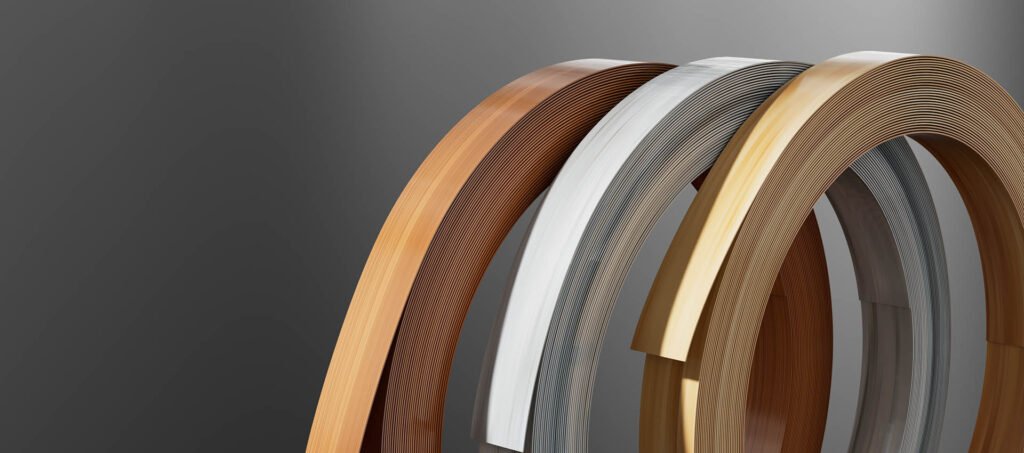
I believe existing customers are one of the most valuable sources of business growth for distributors. These customers already know the supplier, understand the product quality, and have an established purchasing relationship. However, their needs may change as their production lines, product designs, and local markets develop. If I only recommend the products they purchased in the past, I may miss opportunities to increase their order value. At the same time, introducing too many new materials without checking demand can create inventory pressure. I need to find the right time, the right product, and the right customer. In this article, I will explain how I identify these opportunities and turn new material introductions into repeat orders.
What Signs Show That Existing Customers Are Ready for New Edge Banding Materials?
I do not introduce new materials just because a supplier launches a new product. If customers have no reason to buy it, the product may only increase my inventory costs.
I first look for changes in customer behavior, production needs, and product requirements. These changes often show whether a customer is ready to consider something new.
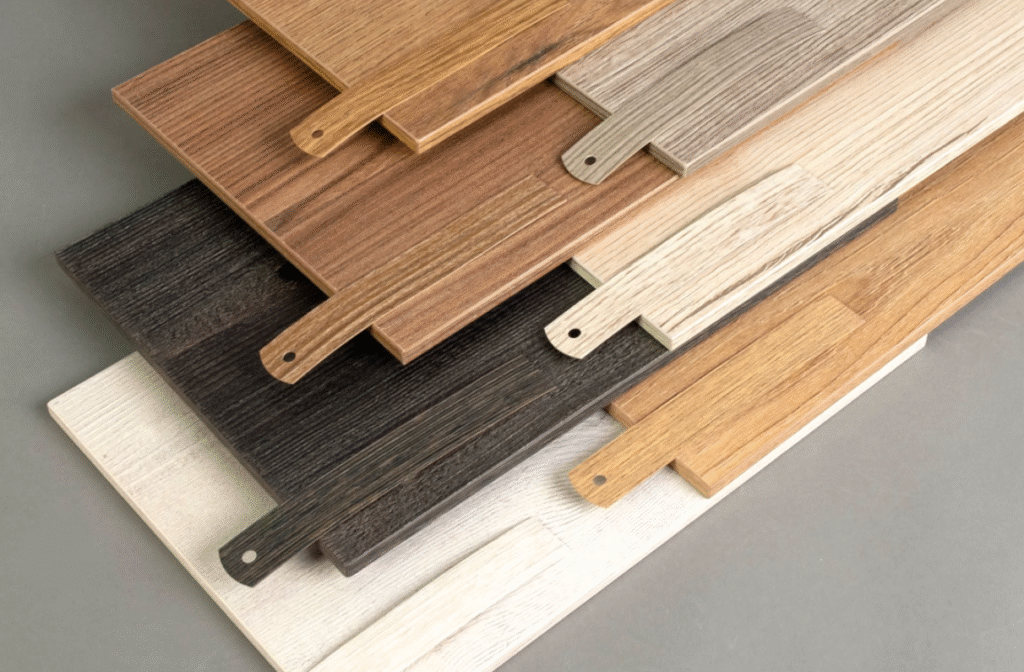
1. Customers Start Asking for Different Product Specifications
One clear sign is that customers begin asking for specifications that are not available in their current product range.
For example, a furniture manufacturer may initially purchase standard PVC edge banding. Later, the company may start producing higher-end furniture and need different surface effects, improved appearance, or new material options.
I pay attention when customers ask questions such as:
- Can you provide ABS edge banding?
- Do you have PP edge banding for this application?
- Can you match this new furniture panel color?
- Do you offer acrylic or high-gloss edge banding?
- Can you provide wood veneer edge banding?
These questions do not always mean the customer is ready to place an order. However, they give me a reason to investigate the demand.
I record these requests and check whether other customers have similar requirements. If several customers ask for the same material, I may have an opportunity to develop a new product category.
2. Customers Start Producing New Furniture Products
A customer’s production changes can create new material requirements.
For example, a manufacturer that mainly produces standard office furniture may start developing premium kitchen cabinets or customized wardrobes. These products may require different colors, textures, surface finishes, or edge banding materials.
I do not assume that every new furniture product needs a different material. I ask the customer about the actual design and processing requirements first.
I also check whether the new product line will have regular production or only a few special orders. This helps me understand whether the material can become a long-term purchasing item.
3. Customers Complain About Their Existing Materials
Customer complaints can also show an opportunity.
I pay attention when customers repeatedly report problems with color consistency, surface appearance, processing performance, or material suitability.
However, I do not immediately recommend a new material. Some problems come from machine settings, adhesive selection, storage conditions, or processing temperatures.
I first try to identify the real cause. If the existing material cannot meet the customer’s requirements, I can then discuss alternative materials.
4. Customers Face New Requirements from Their Own Buyers
I also look at changes in the customer’s downstream market.
A furniture manufacturer may receive requests for different surface finishes or materials from furniture brands, designers, contractors, or retailers. These requests can create demand for new edge banding products.
I want to know whether the customer’s buyers have specific material requirements and whether those requirements will continue in future orders.
| Customer signal | What I need to investigate | Possible opportunity |
|---|---|---|
| Requests for new materials | Actual application and specifications | New product category |
| New furniture product line | Production volume and design needs | Customized materials |
| Repeated quality complaints | Root cause of the problem | Alternative material |
| New buyer requirements | Expected order volume | Premium product range |
| Requests for samples | Project status and approval process | Trial order |
I consider these signals together. One question about ABS edge banding may not justify a new inventory investment. However, repeated requests from several customers can indicate a real market opportunity.
When Is the Right Time to Introduce New Materials to Existing Customers?
I believe timing is just as important as product selection. A good product may fail if I introduce it when the customer has no current demand or is not ready to change its production process.
I usually look for business events that create a natural reason for customers to consider new materials.

1. When Customers Develop New Product Lines
This is one of the best opportunities to discuss new materials.
When a customer develops a new furniture collection, the company may review panel colors, surface finishes, product structures, and edge banding specifications.
I try to communicate with the customer before the new product enters mass production. At this stage, the customer may still have time to test different materials and suppliers.
For example, if a furniture manufacturer plans to produce a new range of premium cabinets, I can introduce acrylic edge banding or other suitable decorative options.
I first confirm the panel material, design requirements, processing equipment, and expected production quantity. Then I prepare samples that match the actual project.
2. When Customers Review Their Annual Purchasing Plans
I also use regular purchasing reviews to introduce new products.
Some manufacturers review suppliers, product costs, and material requirements before starting a new purchasing cycle. This creates an opportunity to discuss products that may improve their existing product range.
I do not recommend changing all existing materials at once. I prefer to identify one or two products that can solve a specific problem or support a new application.
This approach makes the discussion easier because the customer does not need to change the entire supply chain.
3. When Customers Experience Changes in Their Target Markets
Market changes can also create new material opportunities.
For example, customers may receive more requests for natural wood appearances, high-gloss surfaces, or special decorative finishes. These requests may lead them to consider wood veneer, acrylic, or textured edge banding.
However, I do not treat every design trend as confirmed purchasing demand.
I check whether the customer has actual projects, confirmed orders, or repeated inquiries. A trend can help me identify a possible opportunity, but customer orders should guide my inventory decisions.
4. When Customers Are Reviewing Their Current Suppliers
If a customer is already reviewing supplier performance, I may have an opportunity to introduce alternative materials.
The customer may be looking for better product consistency, more specifications, or a supplier that can provide a wider range of products.
I use this opportunity to understand the customer’s current problems. I do not simply present a product catalog.
Comparing Different Introduction Opportunities
| Business situation | Introduction timing | My approach |
|---|---|---|
| New product development | During the design and testing stage | Provide matching samples |
| Annual purchasing review | Before the next purchasing cycle | Present product and cost comparisons |
| New market demand | When customer inquiries increase | Validate demand first |
| Supplier evaluation | During supplier comparison | Demonstrate product performance |
| Existing material problems | After identifying the cause | Recommend suitable alternatives |
I also consider the customer’s production schedule. If the factory is working on a large urgent order, it may not be a good time to test an unfamiliar material. I would rather arrange a sample test before the next production cycle.
How Can Distributors Evaluate the Profit Potential of New Edge Banding Materials?
I do not believe a new material is worth introducing just because its selling price is higher than standard PVC edge banding. A higher price does not always mean a higher profit.
I need to calculate the total cost, understand the customer’s willingness to pay, and check whether the product can generate repeat orders.

1. Compare the Total Cost of Different Materials
I first compare the purchase cost of each material.
For example, when I consider introducing ABS, PP, acrylic, or wood veneer edge banding, I check the supplier’s quotation, minimum order quantity, packaging requirements, and transportation costs.
I also include other expenses:
- Sample production and shipping.
- Inventory storage.
- Quality inspection.
- Product damage and returns.
- Marketing and customer support.
- Currency and payment costs for imported products.
I use the following formula:
Net Contribution = Sales Revenue – Product Cost – Variable Selling and Service Costs
This gives me a better view of the money left after serving the customer. I also consider fixed operating costs when evaluating the overall business.
2. Check Whether Customers Are Willing to Pay More
A new material may offer a different appearance or processing benefit, but customers must see enough value to accept its price.
I do not assume that customers will pay more simply because a material is new.
I explain the product differences and connect them with the customer’s application. For example, I may compare surface appearance, processing behavior, material specifications, and suitability for a particular furniture design.
I also ask whether the customer has a target purchasing price. This helps me understand whether the product fits the customer’s cost structure.
3. Estimate Repeat Purchase Potential
I prefer products that can become part of a customer’s regular production.
A customer may purchase a small quantity of acrylic edge banding for one special project. This can create an initial sale, but it does not guarantee repeat demand.
I check whether the customer has other products or projects that use the same material.
I also look at the expected purchasing frequency and order volume. A product with a lower margin may still create good business value if the customer purchases it regularly.
4. Evaluate Supplier Reliability
A profitable product is difficult to sell if the supplier cannot maintain stable quality or delivery.
Before introducing a new material, I check the manufacturer’s production capacity, quality control process, sample consistency, lead time, and ability to supply the same specifications in future orders.
I also ask for technical data sheets and product testing information where relevant.
For example, EGGER’s PP Edge Banding technical data sheet provides product-specific information about properties and processing characteristics, including bonding and machining compatibility. This shows why I should evaluate a new material through its actual technical documentation rather than relying only on its material name.
5. Use a Simple Profitability Comparison
I can use a basic model to compare potential products before placing a large order.
| Evaluation factor | Product A: Standard PVC | Product B: New Material |
|---|---|---|
| Purchase cost | Lower | Higher |
| Selling price | Standard | Potentially higher |
| Customer demand | Established | Needs validation |
| Inventory risk | Easier to estimate | May be higher |
| Product differentiation | Common specifications | Depends on application |
| Repeat purchase potential | Based on existing orders | Needs customer confirmation |
I do not assign a fixed profit advantage to ABS, PP, acrylic, or wood veneer without actual quotations and sales data. The result depends on the supplier, specification, local competition, and customer application.
I also calculate the break-even quantity:
Break-even Quantity = Initial Product Introduction Costs / Contribution per Unit
This formula helps me estimate how much product I need to sell before recovering the initial introduction costs. If the contribution per meter is too low, or the customer demand is too uncertain, I may delay the product launch.
How Can Distributors Test New Materials Without Increasing Inventory Risks?
I do not recommend purchasing a large quantity of new materials before confirming customer demand. Even if a product has good technical performance, it may not sell well in the local market.
I prefer to use samples, small trial orders, and customer feedback to test the market. This allows me to understand the real demand before making a larger inventory investment.
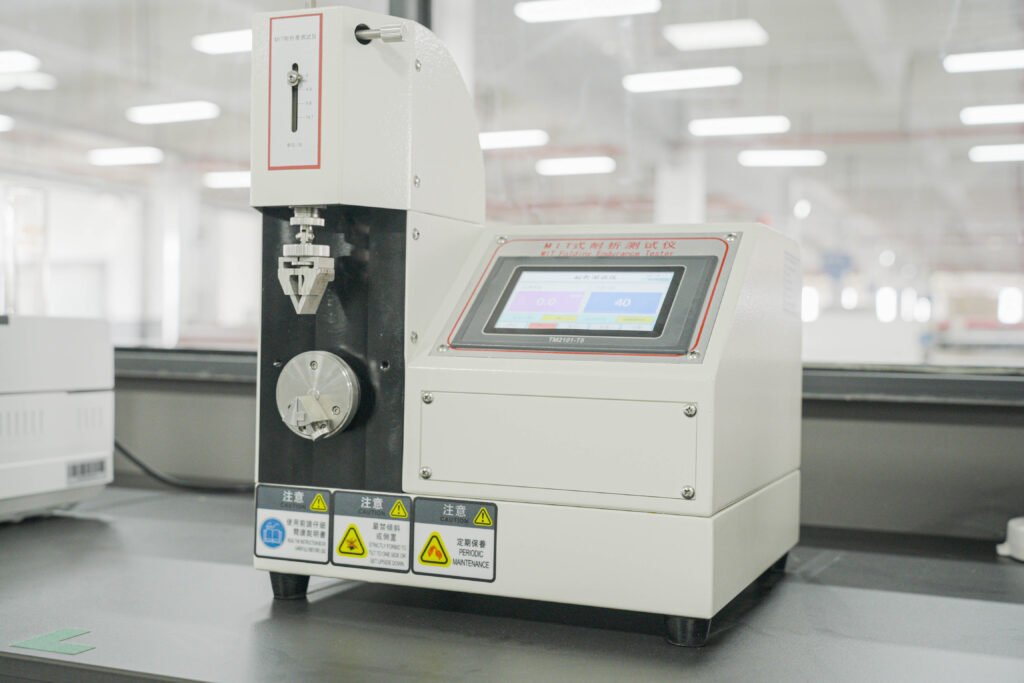
1. Start with Customer Samples
I usually start with samples instead of full rolls or large orders.
I select a small group of existing customers who have shown interest in the new material. I then provide samples that match their actual production requirements.
For example, if I want to introduce PP edge banding, I may first contact customers who manufacture furniture products that could use PP materials.
I prepare samples with clear product information, including:
- Material type.
- Thickness and width.
- Surface finish.
- Color and pattern.
- Recommended application.
- Processing recommendations.
I also ask customers to test the samples on their own equipment when possible. A sample that looks good by itself may not perform well during actual production.
2. Test Processing Performance Before Commercial Sales
I believe distributors should pay attention to processing compatibility.
Different edge banding materials may have different requirements for cutting, milling, bonding, and finishing. A customer may need to adjust machine settings or adhesive selection when testing a new product.
I ask customers to check several points:
Bonding performance: Does the material work with the customer’s current adhesive and production process?
Machining performance: Can the customer’s equipment cut and trim the material without creating visible defects?
Surface appearance: Does the finished edge match the customer’s design requirements?
Batch consistency: Does the product maintain consistent color and appearance across samples and production batches?
I also request technical documents from the manufacturer.
For transparent or translucent plastic products, ASTM D1003-21 provides a test method for measuring haze and luminous transmittance. This can be useful when the product specification requires optical performance evaluation. However, this standard is not a general test for all edge banding materials.
For plastic materials that need light exposure evaluation, ISO 4892-1:2024 provides general guidance on laboratory exposure to light sources. I would use the relevant test method and product specification rather than treating accelerated exposure results as a direct prediction of actual service life.
3. Use Small Trial Orders to Confirm Demand
After the customer approves the sample, I move to a small commercial order.
I do not immediately ask the customer to replace all existing materials. I suggest using the new material in one product line or a limited production run.
This allows both sides to check product performance under normal working conditions.
I record the following information:
| Test item | What I need to confirm |
|---|---|
| Sample approval | Whether the customer accepts the product |
| Processing test | Whether it works with existing equipment |
| First order quantity | Actual purchasing commitment |
| Production feedback | Whether the product performs as expected |
| Delivery performance | Whether supply meets the agreed schedule |
| Reorder intention | Whether the customer plans to purchase again |
I consider a paid trial order more useful than positive feedback alone. A customer may say that a product looks interesting but still have no plan to purchase it.
4. Control Inventory Through Supplier Cooperation
I also discuss inventory arrangements with my suppliers before launching a new product.
If possible, I negotiate a lower initial MOQ, mixed-color orders, flexible production schedules, or sample support.
For products with uncertain demand, I prefer to keep only a small quantity in stock. I can use customer orders to guide the next purchase.
I may also arrange a special-order system for less common colors and specifications. This allows me to offer more choices without holding every item in my warehouse.
5. Set Clear Conditions Before Expanding Inventory
I do not increase inventory simply because the first order is completed.
I wait until I have enough information about customer feedback, sales frequency, and expected future demand.
For example, I may require several confirmed orders from different customers before adding a new material to my regular inventory list.
The exact threshold depends on MOQ, storage costs, product shelf life, and expected sales. I do not use one fixed rule for every material.
My goal is to make inventory decisions based on actual purchasing behavior instead of market excitement or supplier recommendations.
How Can Distributors Turn New Material Introductions into Repeat Orders?
I believe the first order is only the beginning of a new product relationship. If customers purchase a new material once but never order it again, the introduction has not created much long-term value.
I focus on product performance, customer communication, and supply consistency to turn initial interest into regular purchasing.
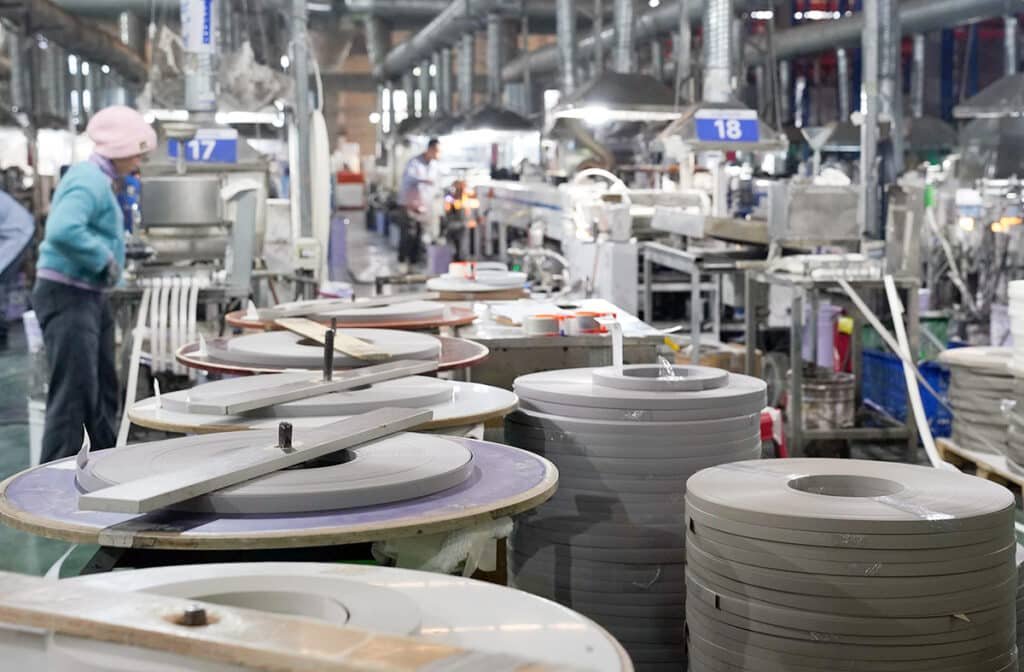
1. Follow Up After the First Purchase
I do not wait for customers to contact me after their first order.
I follow up after they receive the material and use it in production. I ask whether the product meets their expectations and whether they have encountered any problems.
I focus on specific questions:
- Does the material match the approved sample?
- Does it work with the current production equipment?
- Is the surface finish suitable for the final furniture product?
- Is the customer satisfied with the delivery and packaging?
- Does the customer expect to use this material again?
If the customer reports a problem, I communicate with the manufacturer and look for a solution.
This follow-up also helps me understand whether the problem comes from the material, processing conditions, or an incorrect product selection.
2. Connect New Materials with Existing Product Lines
I do not recommend treating every new material as a separate sales opportunity.
I look for ways to connect new products with the customer’s existing purchases.
For example, a furniture manufacturer that regularly purchases PVC edge banding may also need ABS or PP edge banding for certain product lines.
A cabinet manufacturer may need acrylic edge banding for a specific design, while continuing to use standard PVC for other products.
I can offer a product combination based on actual applications.
| Existing customer purchase | Possible new material | Potential application |
|---|---|---|
| Standard PVC edge banding | ABS edge banding | Selected furniture applications |
| Standard PVC edge banding | PP edge banding | Projects requiring suitable PP specifications |
| High-gloss edge banding | Acrylic edge banding | Decorative high-gloss furniture |
| Standard woodgrain edge banding | Wood veneer edge banding | Natural wood appearance |
| Standard decorative edge banding | Textured edge banding | Special surface design requirements |
These are possible product combinations, not automatic material substitutions. I always check the panel, application, machine settings, and product specifications before making a recommendation.
3. Provide Product Information and Technical Support
Customers are more likely to continue purchasing a new material when they understand how to use it.
I prepare simple product information that explains the material type, specifications, application, and processing requirements.
I also provide technical documents when necessary.
For example, a customer who is testing PP edge banding may need information about bonding, machining, and surface properties. A customer who is considering acrylic may need to understand the appearance requirements and processing limitations.
I do not expect customers to understand every material immediately. I make the product selection process easier by giving them clear and useful information.
4. Build a Reorder System
I also record the customer’s purchasing history.
I track the material, color, thickness, width, order quantity, and purchasing date. This helps me estimate when the customer may need to reorder.
For regular customers, I can discuss planned purchasing schedules or reserve commonly used specifications.
For customers who purchase customized products, I keep the approved sample and specification records. This reduces the risk of mistakes in future orders.
5. Measure Whether New Materials Are Creating Real Growth
I use several indicators to evaluate the success of a new product introduction.
| KPI | What I want to understand |
|---|---|
| Sample conversion rate | How many sample requests become orders |
| First-order conversion rate | How many interested customers make an initial purchase |
| Repeat purchase rate | How many first-time buyers reorder |
| Average order value | Whether new materials increase order value |
| Gross profit contribution | Whether the product creates real profit |
| Inventory turnover | Whether stock moves at a reasonable speed |
| Customer retention | Whether customers continue purchasing |
I also compare sales before and after introducing the new material.
For example, if an existing customer previously purchased only standard PVC edge banding, I can check whether the customer starts purchasing additional ABS or acrylic products.
However, I do not assume that all additional sales come from the new material. I compare actual order records and customer feedback to understand the change.
I review these results regularly. If the new material generates repeat orders and acceptable margins, I can gradually expand its availability. If customers only show initial interest but do not reorder, I review the pricing, product selection, and target customer group before investing more money.
Conclusion
I introduce new materials when customer demand is clear, product value is proven, and repeat orders can justify the additional inventory investment.

Edge Banding Material Range
Compare PVC, ABS, MABS, PP, acrylic and wood veneer edge banding — thicknesses, MOQs, finishes and the applications each material suits best.
Explore Edge Banding Range
Data Sources and References
The following sources provide technical and market research information that distributors can use when evaluating new edge banding materials.
- EGGER – PP Edge Banding Technical Data Sheet
Provides technical information about PP edge banding, including light fastness, chemical resistance, bonding, and machining characteristics.
https://www.egger.com/get_download/96ea4730-f819-44a3-851d-4d5665f4f7a9/Technical_data_sheet_PP_Edging.pdf - ASTM International – ASTM D1003-21
Provides a standardized method for measuring haze and luminous transmittance in transparent plastics. Useful when evaluating optical properties of suitable plastic products.
https://store.astm.org/d1003-21.html - International Organization for Standardization (ISO) – ISO 4892-1
2024: Provides general guidance for evaluating plastics exposed to laboratory light sources. Relevant when assessing light exposure and weathering performance.
https://www.iso.org/standard/83801.html - U.S. Small Business Administration (SBA) – Market Research and Competitive Analysis
Provides guidance on evaluating market opportunities, customer demand, competition, and product positioning.
https://www.sba.gov/business-guide/plan-your-business/market-research-competitive-analysis - U.S. Census Bureau – County Business Patterns
Provides business establishment and employment data by industry and geographic area. Distributors can use this resource to understand local manufacturing markets and identify potential customers.
https://www.census.gov/programs-surveys/cbp/data.html
If you are expanding your material range and need a supplier that can support samples, technical data and consistent repeat orders, Chaotai Edge Banding produces PVC, ABS, MABS, PP and acrylic edge banding with factory-direct pricing, custom color matching and batch-level quality reports for distributors worldwide.