A single supplier may support your business for years, but one production problem can put every customer order at risk. Distributors need a safer supply plan.
Distributors can reduce dependence on one edge banding supplier by qualifying alternative manufacturers, dividing orders based on product and demand, testing samples before large purchases, and applying consistent quality standards across all suppliers.
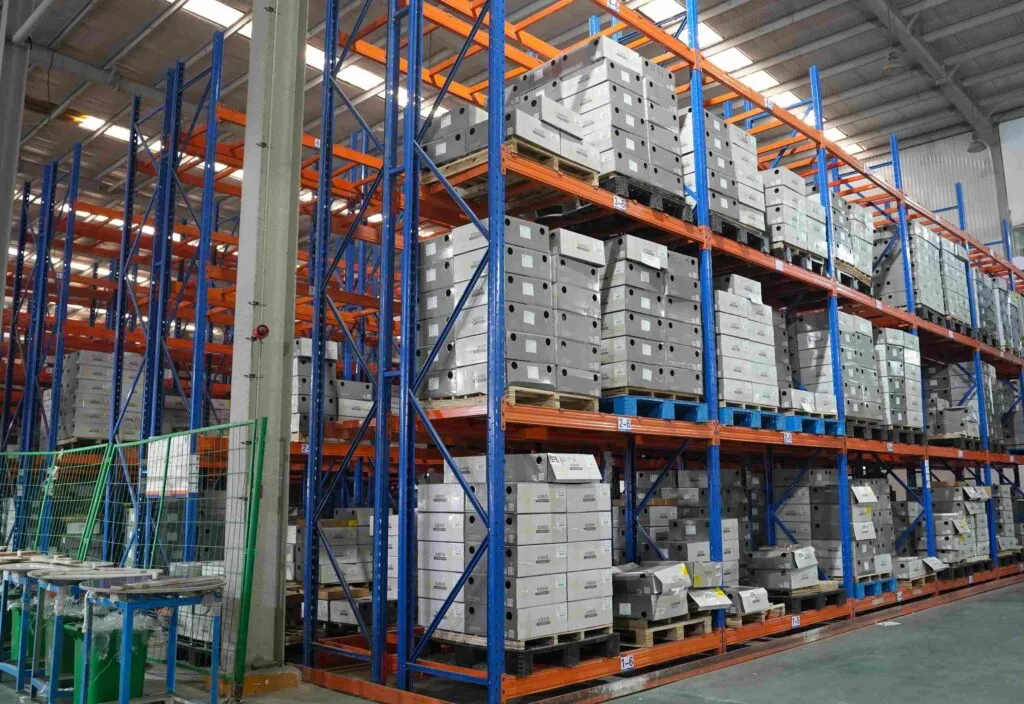
I believe supplier dependence is not only a purchasing problem. It is also a customer service and business continuity problem. When I depend on one manufacturer for most of my products, I also depend on that manufacturer’s production schedule, raw material supply, quality control, and delivery performance. If something goes wrong, my customers may not care why the order is late. They still expect me to deliver on time.
I do not think every distributor needs to work with many manufacturers. More suppliers can also mean more work, higher testing costs, and more complicated inventory management. The goal is to build a supply system that gives the business another option when the main supplier cannot meet its needs. I would start by understanding the risks, checking alternative manufacturers, and building a clear plan before moving any large orders.
What Risks Do Distributors Face When Relying on a Single Edge Banding Supplier?
A single supplier may offer stable prices and familiar products. However, one supply problem can affect your entire business. Distributors need to understand these risks before they become customer complaints.
Distributors face production delays, price changes, quality problems, capacity limits, and weaker negotiating power when they depend on one edge banding supplier. A disruption at that factory can affect inventory, customer orders, and long-term business relationships.

I do not see supplier dependence as a problem only when a manufacturer fails. It can become a problem much earlier. A distributor may accept longer lead times, higher prices, or limited product choices because there is no qualified alternative. The business may continue to operate, but its ability to respond to customers becomes weaker.
Production Delays Can Affect the Whole Order Plan
When one manufacturer supplies most of my edge banding products, its production schedule becomes part of my own delivery plan. If the factory has equipment problems, labor shortages, raw material delays, or a sudden increase in orders, my stock replenishment may also be delayed.
This risk becomes more serious when I supply furniture factories or panel processors. These customers may need several colors and specifications for the same production project. If one important item is unavailable, the customer may not be able to complete the order as planned.
I should also consider the time needed to recover from a delay. Finding another factory after a problem happens is not the same as having an approved alternative supplier ready. The new manufacturer may need time to match colors, confirm specifications, produce samples, and arrange delivery.
Price and Negotiation Risks Can Increase
A single supplier may have more influence over my purchasing decisions when I have no other qualified source. If the manufacturer increases prices, changes its MOQ, or adjusts payment terms, I may have limited choices.
I should not assume that changing suppliers will always reduce costs. A new manufacturer may offer a lower unit price but have higher freight costs, longer lead times, or more defects. However, having another qualified option gives me a stronger basis for comparing total costs and negotiating reasonable terms.
Research on supplier diversification also shows that multiple sourcing involves a trade-off. It can reduce some supply risks, but it can also increase purchasing and coordination costs. A study published in Omega in 2024 discusses how supplier quality and sourcing structure can affect supply chain viability. This is why I should evaluate the quality of each supplier instead of simply increasing the number of suppliers.
Quality Problems Can Become Customer Problems
A quality issue from one supplier can affect many customer orders at the same time. For example, a change in surface finish, thickness, width, or color consistency may create problems during furniture production.
I may also have difficulty finding replacement products if the original manufacturer cannot correct the problem quickly. This can damage customer confidence, especially when customers expect the same product quality across repeated orders.
I would review at least these risks before deciding how much business to place with one manufacturer:
| Risk | Possible business impact |
|---|---|
| Production disruption | Delayed replenishment and missed delivery dates |
| Price increases | Lower margins and weaker negotiation power |
| Quality variation | Customer complaints and replacement costs |
| Limited production capacity | Difficulty handling urgent or larger orders |
| MOQ changes | More inventory and cash tied up in stock |
| Limited product range | Lost orders when customers need other materials or specifications |
How Can Distributors Evaluate and Identify Reliable Alternative Edge Banding Suppliers?
Finding another manufacturer is not difficult. Finding one that can meet the same business requirements is much harder. Distributors should compare real production and supply capabilities, not only quotations.
Distributors should evaluate alternative edge banding suppliers based on production capacity, quality control, product range, delivery performance, technical support, MOQ, and long-term supply stability. They should verify these points before approving a new manufacturer.
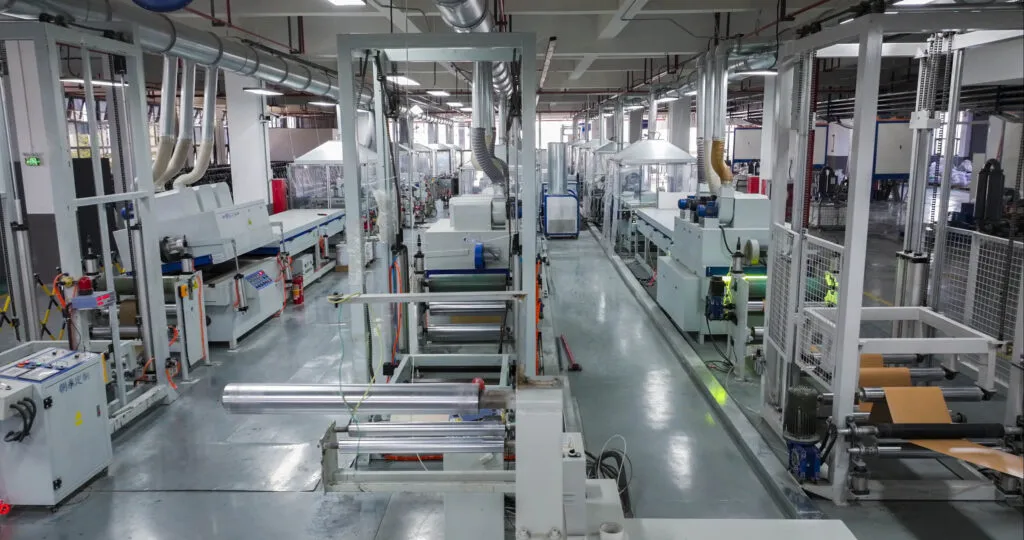
I would not select an alternative supplier only because its quotation is lower. A manufacturer may offer an attractive price but lack the capacity to handle repeat orders. Another factory may have good production equipment but cannot match the colors and specifications that my customers already use.
I need to evaluate whether the supplier can support my actual business. This means checking its products, production process, quality records, and communication before I move any important orders.
Check Production Capacity and Product Coverage
I would first check whether the manufacturer can produce the materials and specifications that my customers need. For edge banding distributors, this may include PVC, ABS, PP, acrylic, MABS, and wood veneer products.
I would also ask about thickness, width, surface finish, color matching, packaging, and customization. A supplier that can produce a wide range of specifications may help me consolidate purchasing. However, I should confirm which specifications are regular production items and which require special orders.
Production capacity also needs more than a factory size or production-line number. I would ask about current production schedules, normal lead times, monthly output for relevant products, and the process for handling urgent orders. I would also check whether the manufacturer can provide capacity when demand increases.
Evaluate Quality Control and Supply Records
I would ask the manufacturer to explain how it controls raw materials, production parameters, product dimensions, surface quality, and finished goods. I would also request relevant inspection records and product test reports.
A supplier’s quality management certificate can be useful, but it should not replace product-level verification. I still need to check whether the actual edge banding meets my specifications.
I would compare suppliers using a consistent scorecard:
| Evaluation factor | What I would check |
|---|---|
| Product quality | Thickness, width, color, surface, and bonding performance |
| Production capacity | Available lines, output, and production schedule |
| Product range | Materials, sizes, colors, and special finishes |
| Delivery performance | Standard lead time and on-time delivery history |
| Commercial terms | MOQ, payment terms, packaging, and price stability |
| Technical support | Sample development and response to quality problems |
| Communication | Response speed and clarity of production updates |
Look for a Supplier That Can Support Long-Term Growth
I would also consider whether the manufacturer can support my business as it grows. A distributor may start with a few standard colors but later need more specifications, private-label packaging, or regular mixed orders.
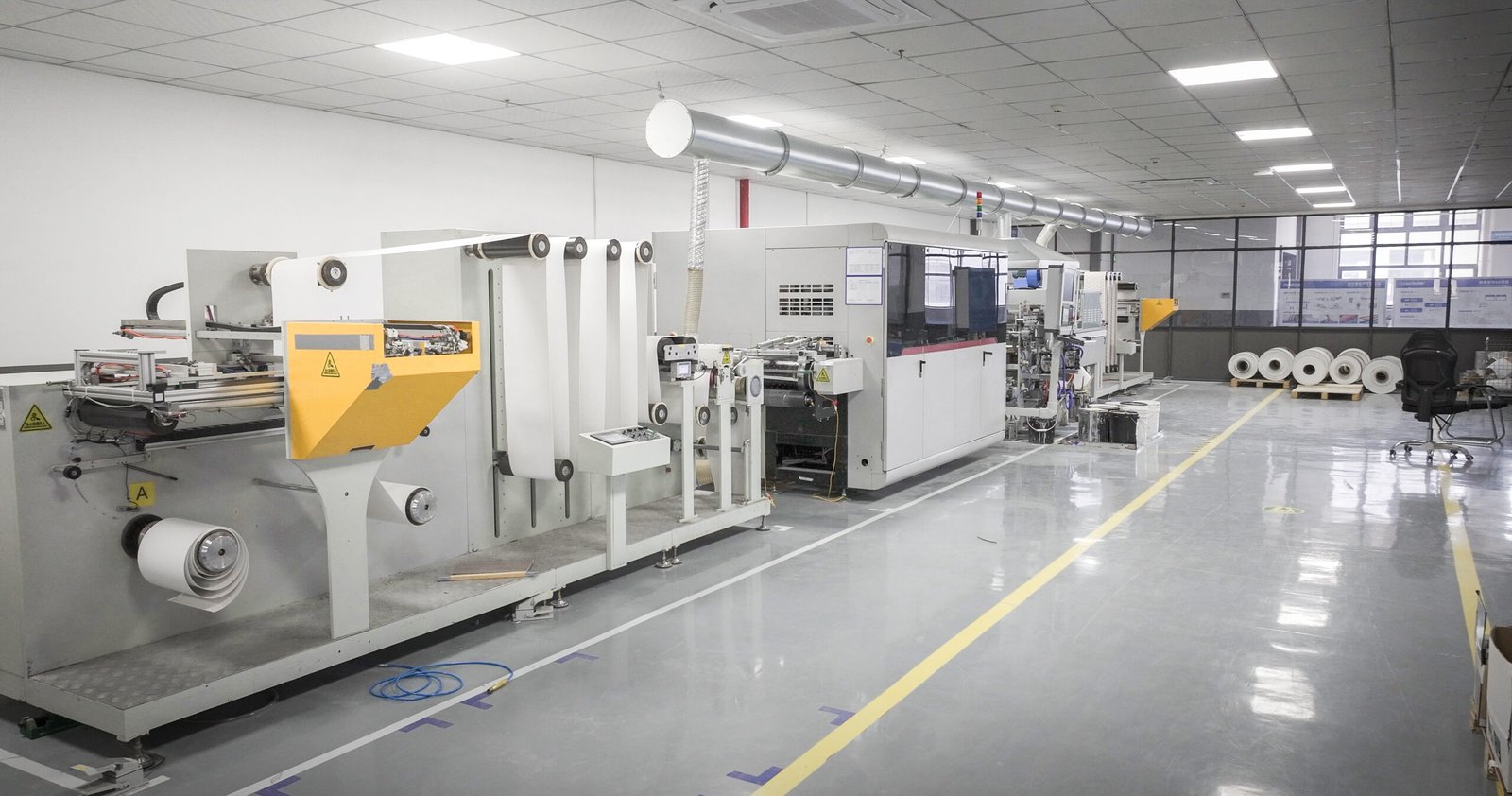
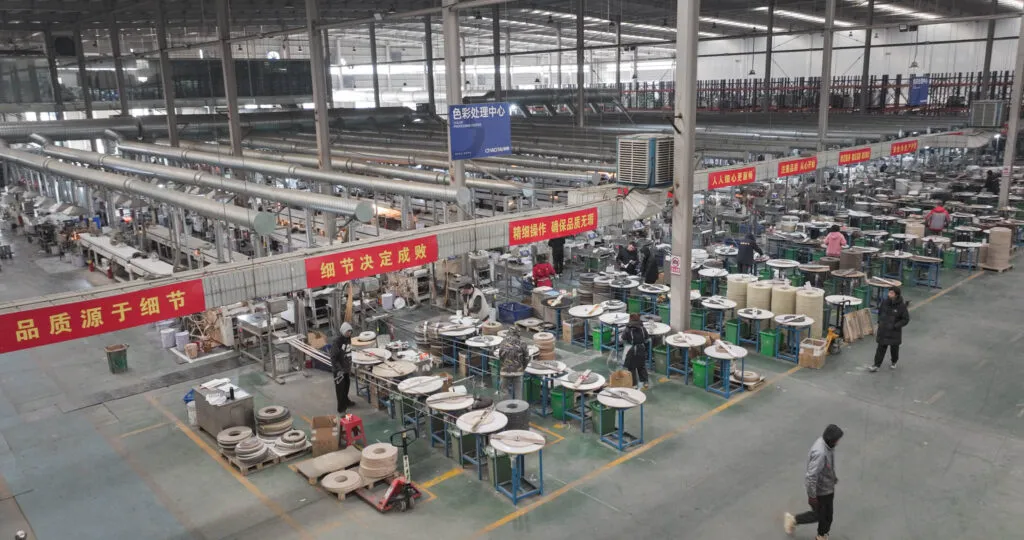
For example, CHAOTAI EDGEBAND’s manufacturing capabilities and range of edge banding materials may be relevant to distributors that need a broader product supply option. However, I would still check the specific specifications, production capacity, samples, and commercial terms for each order before approving the supplier.
The same evaluation process should apply to every manufacturer. I should not give an alternative supplier approval simply because it has a professional website or a large factory. Actual product performance and delivery records should decide whether it is suitable.
How Can Distributors Build a Multi-Supplier Strategy Without Increasing Procurement Costs?
Working with several manufacturers does not automatically make purchasing safer or cheaper. Poor order allocation can increase freight, inventory, inspection, and management costs. Distributors need a clear sourcing structure.
Distributors can control multi-supplier costs by keeping a primary supplier for regular demand, qualifying a backup supplier for selected products, grouping orders where possible, and comparing total landed costs instead of unit prices alone.

I believe the best multi-supplier strategy is not to divide every order equally. That approach may create unnecessary work and reduce purchasing efficiency. I would first decide which products need a backup source and which products can remain with the main manufacturer.
For example, a distributor may have a stable supplier for standard PVC edge banding but depend on that same factory for special colors and custom specifications. If the manufacturer cannot produce a special item on time, the distributor may lose the whole customer order. In this case, qualifying a second source for selected products may be more useful than moving half of every order to another factory.
Use a Primary and Backup Supplier Structure
I would keep the main supplier responsible for most regular orders when its quality, price, and delivery performance are stable. I would then qualify one or more backup suppliers for products with higher supply risks.
The backup supplier does not need to receive the same order volume as the main supplier. It needs enough product knowledge and production experience to take over selected orders when necessary.
A practical structure may look like this:
| Supplier role | Main responsibility | Order approach |
|---|---|---|
| Primary supplier | Regular products and stable demand | Handles most planned orders |
| Backup supplier | Selected products and emergency supply | Receives trial and limited repeat orders |
| Special-product supplier | Materials or specifications not covered by others | Handles specific customer requirements |
I would review this structure based on product importance, sales volume, lead time, and the cost of a supply interruption.
Compare Total Procurement Costs
A lower factory price does not always mean a lower purchasing cost. I would include freight, customs charges, inspection, packaging, inventory holding, and possible quality losses in the comparison.
For example, a second supplier may offer a lower price per meter. However, if its MOQ is much higher, I may need to hold more inventory. If its factory is farther away, freight costs may also increase. The final cost may be higher than the price from my existing supplier.
I would use a simple calculation:
Total Procurement Cost = Product Cost + Freight + Import Charges + Inspection Cost + Inventory Cost + Expected Quality Loss
I would also compare the cost of keeping a backup supplier active with the possible loss from a supply disruption. A small trial order may cost more per unit, but it can help me avoid the much larger cost of finding an untested supplier during an urgent customer order.
Keep Order Allocation Simple
I would avoid splitting every product across too many manufacturers. Each additional supplier creates more work for quotation comparison, sample approval, purchase orders, shipment tracking, and quality checks.
A recent study on multi-sourcing procurement management in Journal of Supply Chain Management examines how companies can plan capacity across multiple sources while balancing cost and operational risk. The main lesson I take from this is that supplier diversification needs planning. It is not simply a decision to add more factories.
I would start with a small number of important products, test the alternative source, and expand only when the business case is clear.
How Can Distributors Test Alternative Suppliers Before Transferring Large Orders?
A supplier’s quotation and product catalog cannot prove that its products will perform well in actual production. Distributors need to test samples and small orders before moving large volumes.
Distributors should test alternative suppliers through specification checks, sample comparisons, machine trials, small production orders, and delivery reviews. They should approve large orders only after the new supplier meets agreed quality and service requirements.

I would never transfer a large customer order to a new manufacturer based only on a few sample photos. Edge banding products may look similar but perform differently during processing. A small difference in thickness, surface finish, color, or bonding behavior can become a problem when a furniture factory processes a large batch.
My goal is to find out whether the alternative supplier can repeat the same quality, not only produce one good sample.
Confirm the Specifications Before Testing
I would prepare a specification sheet before requesting samples. This document should include the material, thickness, width, color reference, surface finish, backing or primer requirements where relevant, roll length, and packaging.
I would also define the acceptance requirements with the supplier. If I only say that I need a product similar to the existing one, different manufacturers may interpret the request in different ways.
For color matching, I would provide the same reference sample or approved color standard to each supplier. I would compare the samples under consistent lighting and record any visible differences. If color measurement is part of the customer’s requirement, I would agree on the measurement method and tolerance before production.
Test Samples Under Real Processing Conditions
I would ask the customer or production team to test the samples on the machines and processes they actually use. The test should consider the relevant conditions, such as adhesive type, temperature, feed speed, pressure, trimming, and edge quality.
I would not assume that a product is suitable just because it passes a visual inspection. It should also perform well during processing and meet the customer’s requirements after application.
The test record should include:
- Product material and specifications.
- Supplier and sample batch identification.
- Color and surface appearance.
- Dimensional measurements.
- Machine and processing conditions.
- Bonding and trimming results.
- Any defects or customer feedback.
Use Small Orders Before Full Approval
After the sample test, I would place a limited trial order. This helps me check whether the supplier can reproduce the approved sample in a normal production batch.
For larger or repeated orders, I would agree on an inspection plan. ISO 2859-1:2026 provides acceptance sampling schemes based on the Acceptance Quality Limit (AQL) for lot-by-lot inspection. I can use this standard as a reference when defining an appropriate sampling plan with the supplier and customer. It is important to apply the agreed plan to each producer and production process, rather than assuming that results from one factory prove the quality of another.
I would also review packaging, shipping documents, actual lead time, and the supplier’s response when problems occur. A backup supplier is only useful when it can deliver acceptable products under normal business conditions.
How Can Distributors Maintain Consistent Quality and Supply Across Multiple Suppliers?
Using more than one manufacturer can reduce dependence, but it can also create different product results. Distributors need shared specifications, clear inspection rules, and regular supplier reviews to protect customer expectations.
Distributors can maintain consistency by using approved product specifications, common reference samples, agreed inspection methods, batch records, and supplier performance reviews. They should monitor each manufacturer separately and keep clear rules for product approval and replacement.

I believe this is one of the most important parts of a multi-supplier strategy. Finding a second manufacturer is only the first step. The real challenge begins when two factories produce the same product for the same customer.
Even when both suppliers follow the same product description, their materials, production equipment, surface treatment, and process settings may be different. I should not assume that two products are interchangeable just because they have the same material name and dimensions.
Create One Approved Specification for Each Product
I would create a central specification sheet for every important product. The document should include all key requirements, not only the product name and size.
For example, an edge banding specification may include:
| Specification | Information to record |
|---|---|
| Material | PVC, ABS, PP, acrylic, or other agreed material |
| Thickness and width | Target dimensions and accepted tolerances |
| Color | Approved reference sample or color code |
| Surface finish | Smooth, matte, textured, or other agreed finish |
| Backing | Primer or other required treatment |
| Processing requirements | Relevant adhesive and machine conditions |
| Packaging | Roll length, labels, cartons, and protection |
| Inspection | Test methods and acceptance criteria |
I would send the same approved specification to every qualified supplier. If a customer changes a requirement, I would update the document and make sure all relevant suppliers receive the new version.
Keep Samples and Batch Records
I would keep an approved reference sample for every important color and specification. Each incoming batch should have a supplier name, production date or batch number, and inspection record.
This makes it easier to investigate problems. If a customer reports a color difference, I can compare the delivered batch with the approved reference sample and check the production records.
I would also avoid mixing products from different suppliers without customer approval. Even if the products look similar, the customer may notice differences after installation or during a large production run.
Review Supplier Performance Regularly
I would use the same performance indicators for every supplier. These indicators should cover product quality, delivery, communication, and problem resolution.
| KPI | What it measures |
|---|---|
| On-time delivery rate | Whether orders arrive within the agreed schedule |
| Defect rate | The number or share of products that fail agreed inspection requirements |
| Specification compliance | Whether products meet approved requirements |
| Lead-time performance | Whether actual production and delivery time match the plan |
| Complaint response time | How quickly the supplier responds to quality issues |
| Corrective action | Whether the supplier identifies and fixes the cause of a problem |
I would review these results at regular intervals. A supplier that performs well should receive more planned orders when the business needs it. A supplier with repeated problems should receive corrective action requests or lose approval for affected products.
I would also keep communication open with every manufacturer. Suppliers should know the expected demand, important customer projects, and possible changes in specifications. In my view, a good multi-supplier system depends on clear information as much as it depends on the number of factories.
Conclusion
I do not need the largest supplier network. I need qualified alternatives, clear standards, and reliable supply plans that protect every customer order.
Qualify a Second Edge Banding Source
See how CHAOTAI supports distributor supply plans — PVC, ABS, MABS, PP and acrylic production, colour matching records and capacity for backup orders.
Inside Chaotai Edge Banding