
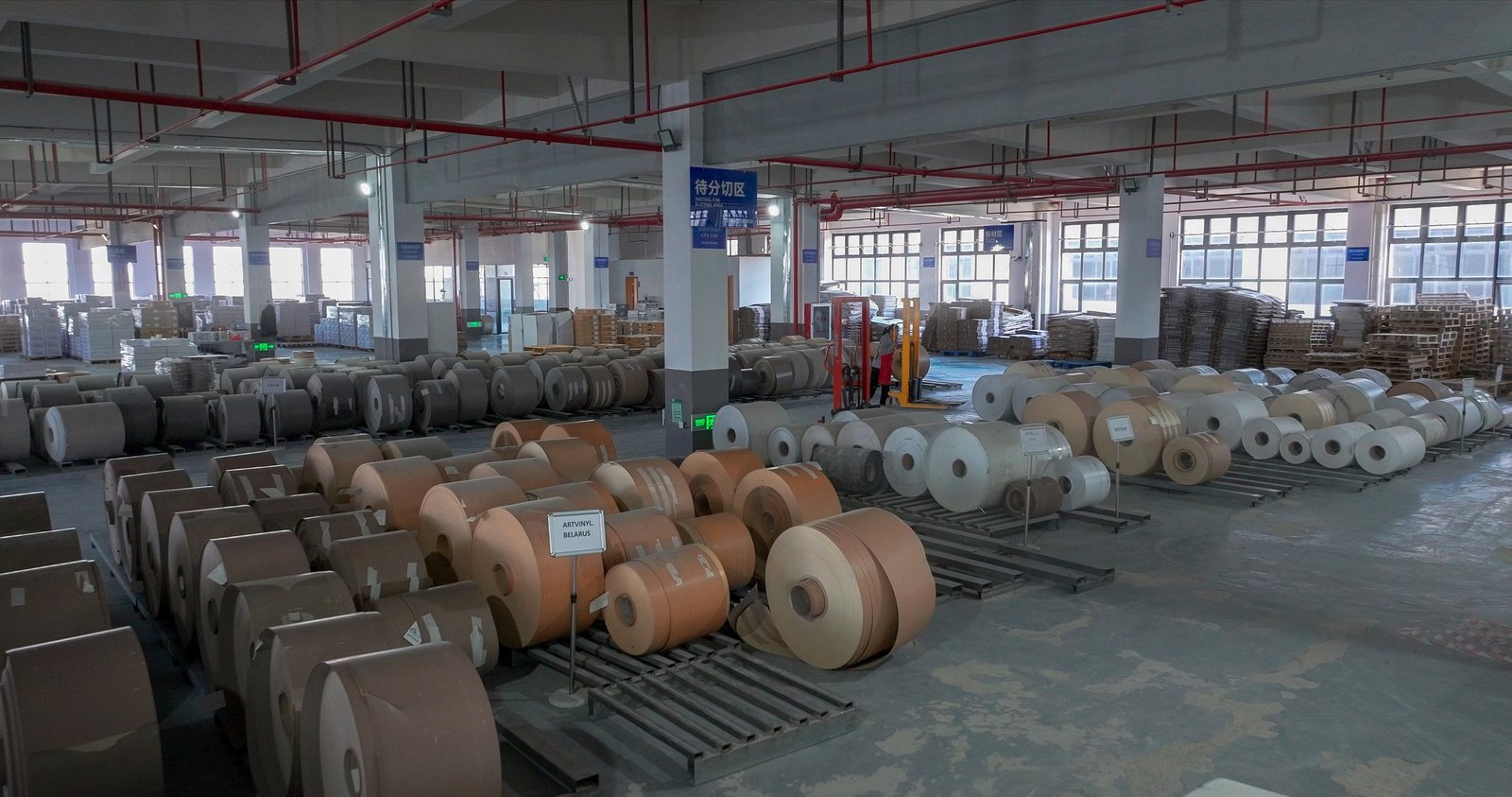
Poor packaging can turn a profitable edge banding order into a costly problem. Moisture, pressure, and rough handling can damage products before they reach the buyer.
I recommend using moisture-resistant inner packaging, strong cartons, suitable pallets, and secure container loading. Suppliers should also adjust packaging methods to the material, order size, and shipping conditions.
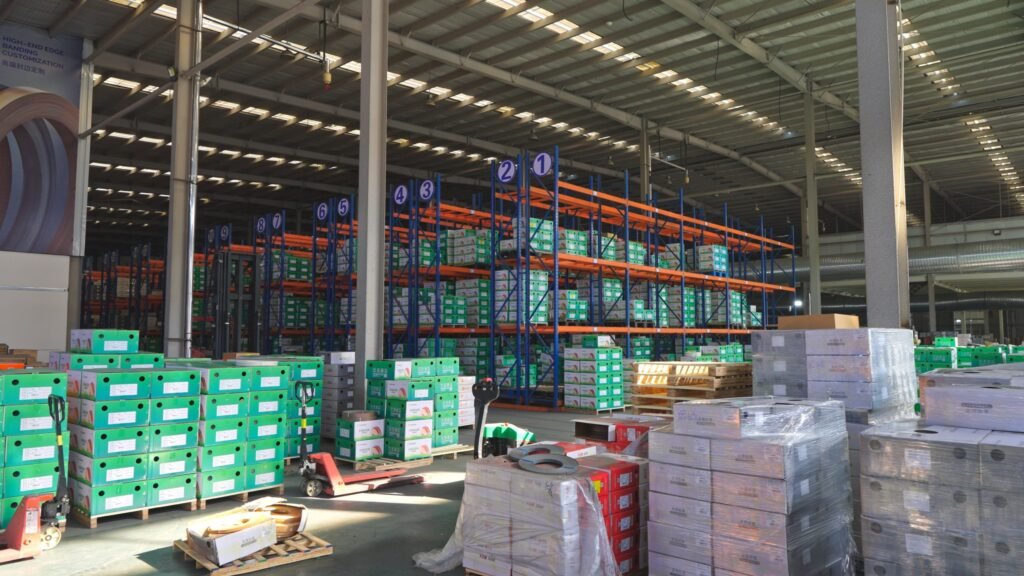
When I work with overseas buyers, I know that product quality is only one part of a successful order. Buyers also need to receive the products in the same condition as they were approved. Long-distance sea freight creates several risks that suppliers cannot ignore. A shipment may pass through different climates, ports, warehouses, and handling stages before delivery. I believe good export packaging should protect the product throughout this process. It should also help buyers store, identify, and distribute the products after arrival. In this article, I will explain how I approach edge banding packaging for international orders and what I think suppliers should improve.
What Risks Can Edge Banding Face During Long-Distance Sea Freight?
Edge banding can face moisture, temperature changes, compression, impact, and contamination during sea freight. These risks can affect its surface, shape, packaging strength, and final usability.

Why Is Moisture One of the Biggest Risks?
I consider moisture one of the main issues in long-distance sea freight.
A shipping container is exposed to changing temperatures during a voyage. The temperature inside the container can rise and fall as the container moves between different climates. Moisture from cargo, pallets, and packaging materials can also enter the container environment.
These conditions can cause condensation, which is often called container rain or cargo sweat. Water droplets may form on the container walls or ceiling and fall onto the cargo.
The IMO/ILO/UNECE CTU Code explains how moisture and temperature changes can cause condensation damage inside closed cargo transport units. It also recommends considering the moisture content of packaging materials, pallets, and dunnage.
For edge banding suppliers, I would pay attention to the following risks:
- Carton moisture: Cardboard can absorb moisture and lose some of its strength.
- Surface contamination: Water and dirty packaging can affect product appearance.
- Label damage: Moisture can make labels difficult to read or remove them.
- Storage problems: Wet packaging can create problems when buyers move products into warehouses.
I do not think wrapping every product in plastic is enough to solve this problem. If the container already contains too much moisture, sealed plastic packaging may trap moisture around the products.
Can Temperature Changes and Pressure Damage Edge Banding?
I also pay attention to temperature changes and compression.
Plastic edge banding products may be exposed to high temperatures during storage and transportation. The actual effect depends on the material formulation, product design, packaging, and exposure conditions.
For example, excessive heat combined with poor support may increase the risk of deformation in some products. Rolls that are not properly supported may also become distorted under pressure.
Compression is another issue. Export cartons are often stacked to make better use of container space. If the bottom cartons cannot support the weight above them, they may collapse.
The following table shows the risks I would consider during export preparation.
| Transportation risk | Possible effect on edge banding | Packaging priority |
|---|---|---|
| High humidity | Wet cartons and moisture-related damage | Moisture control |
| Temperature changes | Increased condensation risk | Container moisture management |
| Heavy stacking | Carton deformation and product compression | Carton strength |
| Impact and vibration | Damaged rolls and packaging | Internal cushioning |
| Dust and contamination | Dirty product surfaces | Sealed inner packaging |
| Poor container loading | Cargo movement and crushing | Blocking and securing |
ISTA also explains that ocean shipments can involve handling shocks, cargo movement, high humidity, extreme temperatures, and stacking compression. It is important to remember that sea shipments often include road and rail transportation before and after the ocean journey.
This means I would never design export packaging only for the time when a container is at sea. I would consider the complete transportation process.
Which Packaging Materials Are Suitable for Protecting Edge Banding During Ocean Shipping?
I recommend combining protective inner wrapping, strong corrugated cartons, suitable pallets, stretch film, and moisture-control materials. Each material should serve a clear purpose in the packaging system.
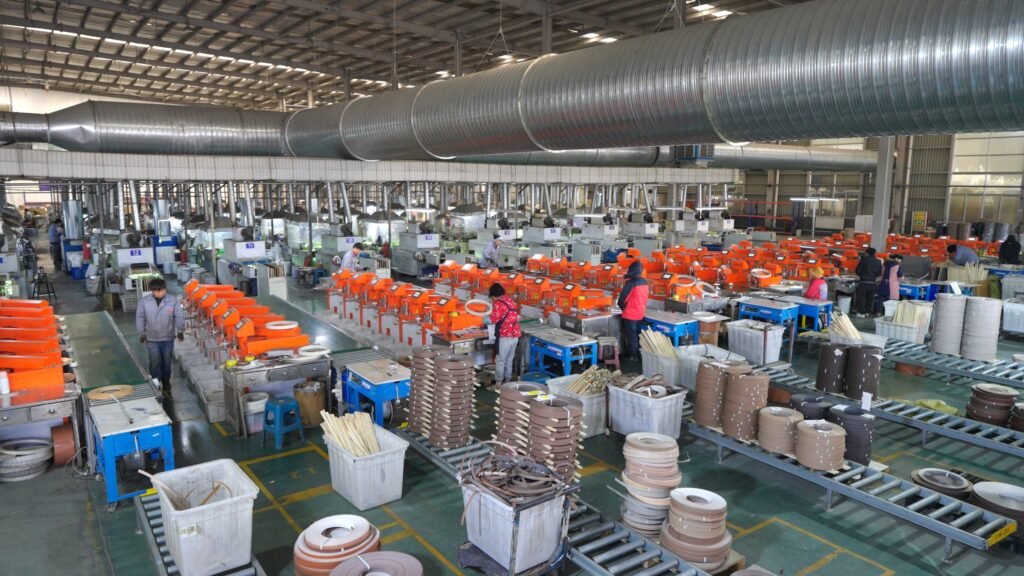
How Do I Choose the Right Inner Packaging?
I believe inner packaging should protect the edge banding before the product enters the export carton.
For rolled edge banding, I would consider plastic film or suitable bags to protect the product from dust, dirt, and direct contact with external moisture.
The packaging should fit the product without creating unnecessary pressure. It should also keep the roll stable during transportation.
For products with special surface finishes, I would pay more attention to scratches and surface contact. Protective film, separators, or other suitable materials may help reduce friction between products.
I would not use one packaging method for every order. A small sample order and a full container order have different packaging needs.
Which Outer Packaging Materials Do I Recommend?
I usually divide export packaging into four main parts.
| Packaging material | Main function | My recommendation |
|---|---|---|
| PE bags or plastic film | Protect against dust and direct moisture contact | Use suitable sealed inner packaging |
| Corrugated cartons | Protect products from impact and stacking pressure | Select carton strength based on load and stacking |
| Pallets | Make loading, unloading, and warehouse handling easier | Use suitable dimensions and load capacity |
| Stretch film and strapping | Keep cartons stable on pallets | Secure the load without excessive pressure |
| Desiccants | Help control moisture inside suitable packaging or containers | Calculate the required absorption capacity |
| Corner protectors | Reduce damage caused by straps and external pressure | Use where carton edges need extra support |
I want to highlight one important point about desiccants.
I do not recommend adding an arbitrary number of desiccant bags to every container. The required quantity depends on the container volume, cargo moisture, packaging materials, voyage conditions, and the absorption capacity of the selected product.
The CTU Code discusses calculating the necessary absorption capacity when drying agents are used. It also warns that plastic sheeting can contribute to mildew or other moisture damage when the overall moisture content inside the container is too high.
This is why I would combine moisture control with dry cargo, dry pallets, and proper container inspection.
Do Pallets Need to Meet International Requirements?
Yes. I would check this before using wooden pallets for export.
Many international markets apply ISPM 15 requirements to regulated solid wood packaging materials. These materials can include wooden pallets, crates, and dunnage.
For example, the United States requires regulated imported wood packaging material to be appropriately treated and marked under ISPM 15. The European Union also applies requirements based on this international standard.
Suppliers should check the destination country’s specific rules and use properly treated and marked wooden packaging when required.
Official reference: USDA APHIS – Import ISPM 15-Compliant Wood Packaging Material.
I would also consider plastic pallets when the buyer needs to reduce wood-related compliance concerns. However, the pallet’s load capacity, dimensions, and compatibility with warehouse equipment still need to be checked.
How Should Suppliers Package Different Types of Edge Banding for Export?
I recommend adjusting packaging according to the material, product shape, roll size, surface finish, and order quantity. PVC, ABS, acrylic, PP, and wood veneer should not automatically use identical packaging methods.
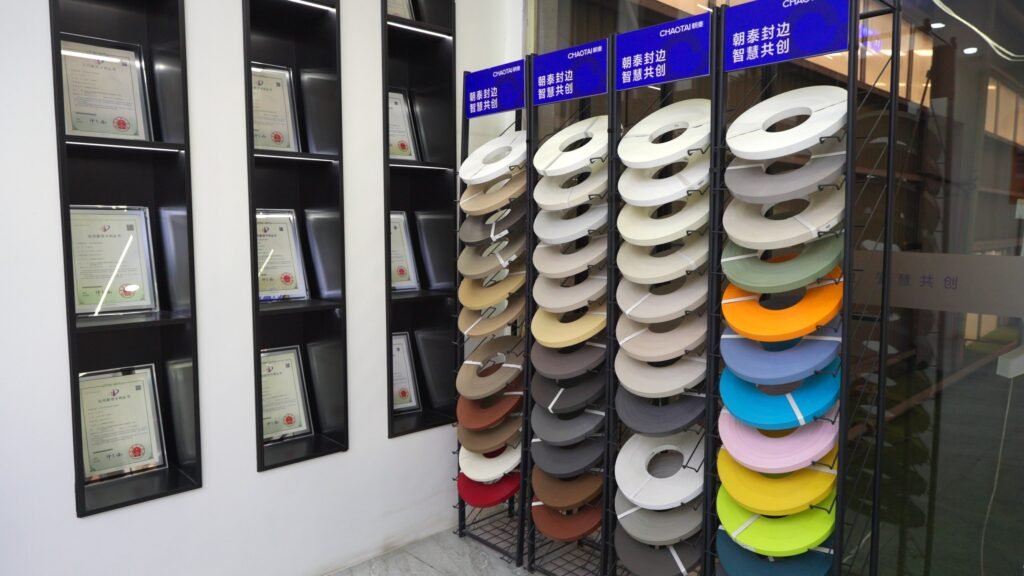
How Should PVC and ABS Edge Banding Be Packed?
PVC and ABS are common materials in the edge banding market. However, I do not think they should always share exactly the same packaging specifications.
For PVC edge banding, I would focus on roll stability, surface protection, and carton strength.
Different thicknesses and widths can create different packaging requirements. Thin edge banding rolls may need better internal support to prevent movement. Wider or thicker products may need stronger cartons because of their weight and dimensions.
For ABS edge banding, I would follow a similar basic approach. I would use protective inner packaging, suitable carton dimensions, and stable roll arrangements.
I would also avoid excessive compression during packing. A carton should hold the rolls securely without placing unnecessary pressure on the product.
How Should Acrylic and PP Edge Banding Be Packed?
I would pay special attention to the surface condition of acrylic edge banding.
Some acrylic products have high-gloss or decorative surfaces. These surfaces may show scratches more easily than ordinary finishes.
I would consider individual protective wrapping, surface separators, and a carton structure that prevents direct friction between rolls.
For PP edge banding, I would first check the product’s dimensions, roll structure, and material properties. I would then select an appropriate inner support and outer carton.
I would not assume that every PP product has the same flexibility or temperature response. The actual formulation and product design should guide the packaging decision.
What About Wood Veneer Edge Banding?
Wood veneer edge banding needs additional attention because it contains natural wood material.
I would focus on moisture control, flatness, and protection against physical damage.
If the product is supplied in rolls, I would check whether the roll diameter and winding tension are suitable for the material. If the product is supplied in strips, I would use flat packaging and suitable support to reduce bending.
I would also pay attention to the moisture condition of the product before packing. Sealing a product that is not properly conditioned may create storage problems later.
Here is how I would compare the main packaging priorities:
| Edge banding material | Main packaging concern | Suggested protection |
|---|---|---|
| PVC | Roll stability and compression | Inner wrapping and strong cartons |
| ABS | Surface protection and roll movement | Protective bags and internal separators |
| Acrylic | Scratches and surface friction | Individual protection and surface separators |
| PP | Roll stability and product deformation | Suitable internal support and cartons |
| Wood veneer | Moisture and bending | Moisture control and flat or supported packaging |
Why Should Suppliers Use Different Carton Sizes?
I believe carton size is an important part of export packaging.
A carton that is too large may allow products to move during transportation. A carton that is too small may place excessive pressure on the rolls.
Suppliers should calculate the carton dimensions according to product width, thickness, roll diameter, quantity, and total weight.
I would also check the carton stacking strength before confirming the final packaging design.
For distributors, this matters because the products may be stored in warehouses before they are sold. Good packaging should protect the products during transportation and make later warehouse handling easier.
How Can Suppliers Prevent Edge Banding Damage During Container Loading and Unloading?
Suppliers should inspect the container, plan cargo distribution, control stacking height, secure palletized goods, and prevent movement inside the container. Proper loading is as important as the packaging itself.

How Do I Prepare a Container Before Loading?
I would never start loading products before checking the container.
The container should be clean, dry, and suitable for the cargo. I would inspect the floor, walls, ceiling, doors, and visible signs of water leakage.
I would also check for unusual odors, dirt, and damage that could affect the products.
The CTU Code recommends checking the fitness of the cargo transport unit before packing begins. It also highlights the need to consider cargo compatibility and moisture risks.
For edge banding shipments, I would pay attention to these points:
- The container should be dry and free from standing water.
- The floor should be clean and suitable for the cargo weight.
- The walls and ceiling should not show signs of leakage.
- The container should not contain wet or contaminated materials.
- The cargo should be suitable for the container’s loading capacity.
I would also make sure that pallets and cartons are dry before loading. A dry container cannot protect cargo if the packaging itself introduces too much moisture.
How Should Suppliers Arrange Cargo Inside the Container?
I believe container loading should follow a clear plan.
Suppliers should distribute the cargo weight properly and avoid placing excessive pressure on individual cartons.
If the shipment contains palletized products, I would arrange the pallets to reduce unnecessary gaps and movement. If the container cannot be fully loaded, I would use suitable blocking and lashing materials to secure the cargo.
I would not rely only on stretch film to prevent movement. Stretch film can hold cartons together on a pallet, but it does not replace proper cargo securing inside a container.
The CTU Code provides guidance on cargo distribution, blocking, bracing, and lashing. It also explains that cargo packages should be strong enough to support the planned stacking arrangement.
I would use the following loading checklist:
| Loading stage | What I would check |
|---|---|
| Before loading | Container condition and cleanliness |
| First layer | Pallet stability and weight distribution |
| Middle layers | Carton stacking strength and alignment |
| Empty spaces | Suitable blocking and securing materials |
| Final inspection | Cargo stability and visible packaging damage |
| Before closing | Loading photographs and container seal record |
Why Are Loading Photos Important?
I think loading photos are useful evidence for both suppliers and buyers.
I would ask the warehouse team to take photographs before loading, during loading, and after the container is full.
These photographs can help buyers understand how the products were arranged and whether the supplier followed the agreed packaging plan.
I would also keep records of the container number, seal number, loading date, pallet quantity, carton quantity, and shipping documents.
If a buyer reports damaged cartons after arrival, these records can help both parties investigate where the problem may have occurred.
I would not claim that photographs can prevent every transportation problem. However, they improve communication and make it easier to trace potential issues.
What Should Buyers Check Before Approving Edge Banding Packaging for Sea Freight?
Buyers should confirm packaging specifications, product protection, carton strength, pallet requirements, moisture control, labeling, and container loading procedures before approving an export order.
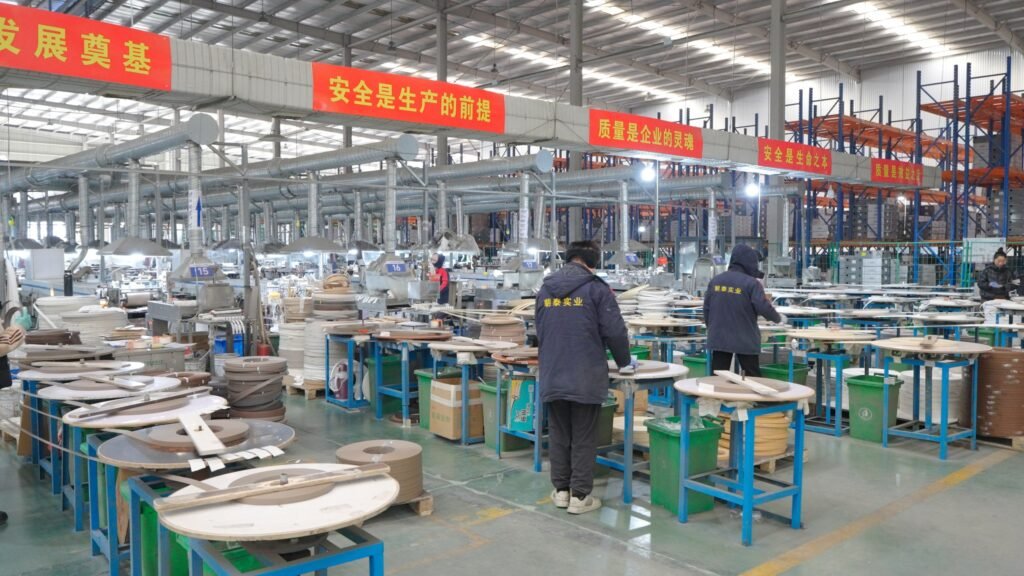
Should Buyers Approve Packaging Before Mass Production?
My answer is yes.
I believe buyers should confirm the packaging method before mass production begins. This is especially important for distributors who purchase large quantities and need consistent packaging across multiple orders.
A supplier may have good products, but unsuitable packaging can still create problems during transportation and warehouse storage.
I would ask the supplier to provide packaging specifications before approving the order.
These specifications should include:
- Individual product packaging method.
- Number of rolls per carton.
- Carton dimensions and material.
- Gross and net weight per carton.
- Pallet dimensions and loading capacity.
- Number of cartons per pallet.
- Moisture-control method, where needed.
- Shipping marks and product identification labels.
I would also request photographs of the actual packaging instead of approving only a written description.
What Packaging Tests Should Buyers Consider?
I would select packaging tests based on the shipment conditions and the actual product risks.
ISTA explains that ocean shipments involve several types of transportation hazards, including handling shocks, temperature changes, humidity, and stacking pressure.
For this reason, I would consider compression testing, drop testing, and other suitable distribution simulation tests.
However, I would not automatically require every test for every shipment. The test plan should reflect the packaging design, cargo weight, distribution route, and handling conditions.
| Test or inspection | What it helps evaluate | When I would consider it |
|---|---|---|
| Compression test | Carton resistance to stacking pressure | Heavy or multi-layer cartons |
| Drop test | Package resistance to handling impacts | Products exposed to manual handling |
| Vibration test | Package stability during transportation | Multimodal road and rail transportation |
| Humidity conditioning | Packaging performance under humid conditions | Long-distance routes with moisture risks |
| Visual inspection | Surface and packaging condition | Every export order |
I would also distinguish between testing the outer carton and testing the actual product. A carton may pass a packaging test while the edge banding inside still moves or becomes damaged.
The complete packaging system should protect both the product and its packaging.
What Should Be Included in a Packaging Agreement?
I recommend including packaging requirements in the purchase order or a separate packaging specification sheet.
This helps prevent disagreements when the supplier and buyer have different expectations.
For example, a buyer may expect individual roll packaging, while the supplier may plan to put several rolls into one carton. Both methods may be workable, but the final arrangement should be agreed upon before production.
I would also include the following requirements:
- The supplier must follow the approved packaging specifications.
- The supplier must use suitable cartons and protective materials.
- The supplier must control moisture and inspect packaging materials before use.
- The supplier must follow the agreed pallet and container loading plan.
- The supplier must provide loading photographs before shipment.
- The supplier must inform the buyer before making major packaging changes.
My View: Good Packaging Is Part of a Supplier’s Export Capability
In my opinion, export packaging should never be treated as a small detail after production is finished.
For an overseas distributor, the purchasing process does not end when the manufacturer completes production. The products still need to pass through inland transportation, port handling, ocean freight, customs clearance, and final delivery.
Every stage creates a possible risk.
I believe a professional edge banding supplier should understand these risks and have a clear packaging system. The supplier should know how to select cartons, protect different materials, control moisture, and arrange products inside containers.
I would also encourage buyers to discuss packaging costs with suppliers at the quotation stage. Stronger cartons, individual protective wrapping, special pallets, and moisture-control materials may increase packaging costs. However, the buyer should compare these costs with the potential loss caused by damaged products.
For large orders, I would rather agree on a suitable packaging standard before production than discuss damaged products after they arrive.
Good packaging does not simply make a shipment look professional. It helps protect product quality, reduce transportation risks, and support long-term cooperation between manufacturers and overseas distributors.
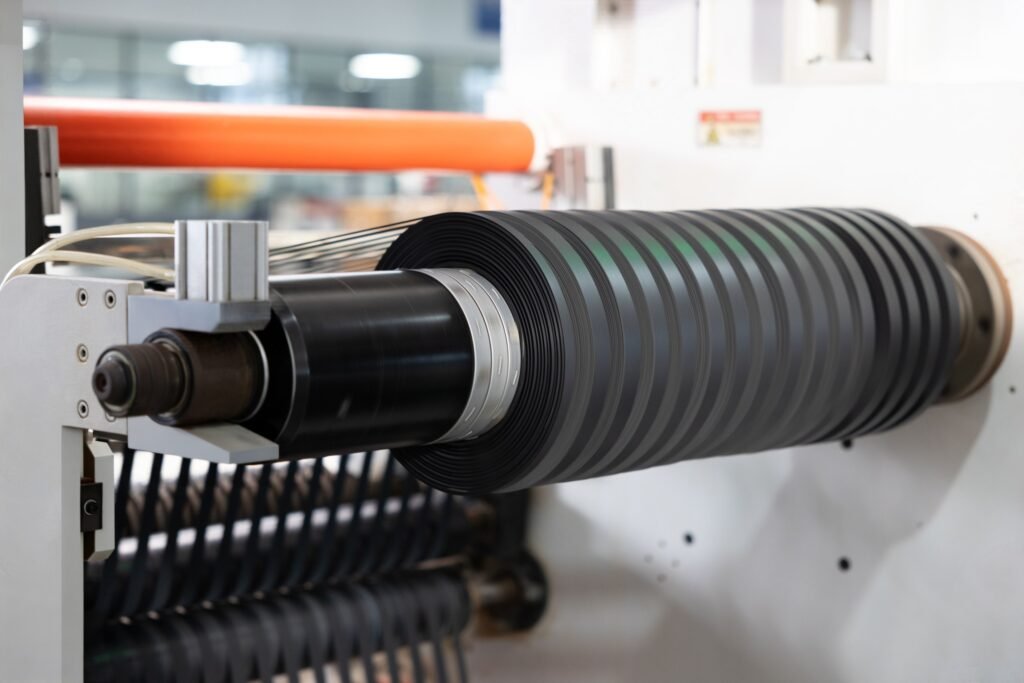
Packaging That Survives the Voyage
Moisture-resistant inner wrap, stacking-tested cartons, ISPM 15 pallets and loading photos on every export order. Tell us the material, roll size and destination port.
Explore Export-Ready Products
Conclusion
I believe reliable sea freight packaging combines material protection, moisture control, carton strength, and secure loading. Suppliers should confirm these details before every major export order.
References and Data Sources
The following sources provide technical guidance for cargo packing, moisture control, packaging testing, and international wood packaging requirements.
- International Maritime Organization (IMO) – Cargo Securing and Packing
https://www.imo.org/en/ourwork/safety/pages/cargosecuring-default.aspx
Official guidance on cargo stowage, securing, and risks caused by improper container packing. - United Nations Economic Commission for Europe (UNECE) – IMO/ILO/UNECE Code of Practice for Packing of Cargo Transport Units (CTU Code)
https://unece.org/transport/intermodal-transport/imoilounece-code-practice-packing-cargo-transport-units-ctu-code
International guidance covering container packing, cargo distribution, moisture prevention, and securing methods. - International Safe Transit Association (ISTA) – What Test Should I Select for Ocean Shipments?
https://support.ista.org/portal/en/kb/articles/ocean
Explains the transportation risks associated with ocean shipments, including humidity, temperature changes, handling shocks, and compression. - International Plant Protection Convention (IPPC) – ISPM 15
https://www.ippc.int/en/core-activities/standards-setting/ispms/
Official international standards for regulating wood packaging materials used in international trade. - USDA Animal and Plant Health Inspection Service (APHIS) – Import ISPM 15-Compliant Wood Packaging Material
https://www.aphis.usda.gov/plant-imports/wood-packaging-material/import
Information about wood pallet and packaging requirements for goods entering the United States. - European Commission – Requirements for Wood Packaging and Dunnage
https://food.ec.europa.eu/plants/plant-health-and-biosecurity/trade-plants-plant-products-non-eu-countries/requirements-wood-packaging-dunnage_en
Explains EU requirements for treated and marked wood packaging materials.
Note: Packaging specifications should be confirmed through actual product evaluation and suitable transport testing. The CTU Code provides international best-practice guidance, but it does not establish one universal packaging specification for all edge banding products. Actual requirements depend on product characteristics, shipment conditions, and destination-market rules.