Acrylic edge banding is a high-gloss, deep-colour edge material used when furniture makers want the edge of a panel to look like a continuous, glass-like surface. This guide, written from the point of view of an edge banding factory, answers the questions furniture factories and distributors ask most often before specifying or stocking acrylic edge banding.
What is acrylic edge banding?
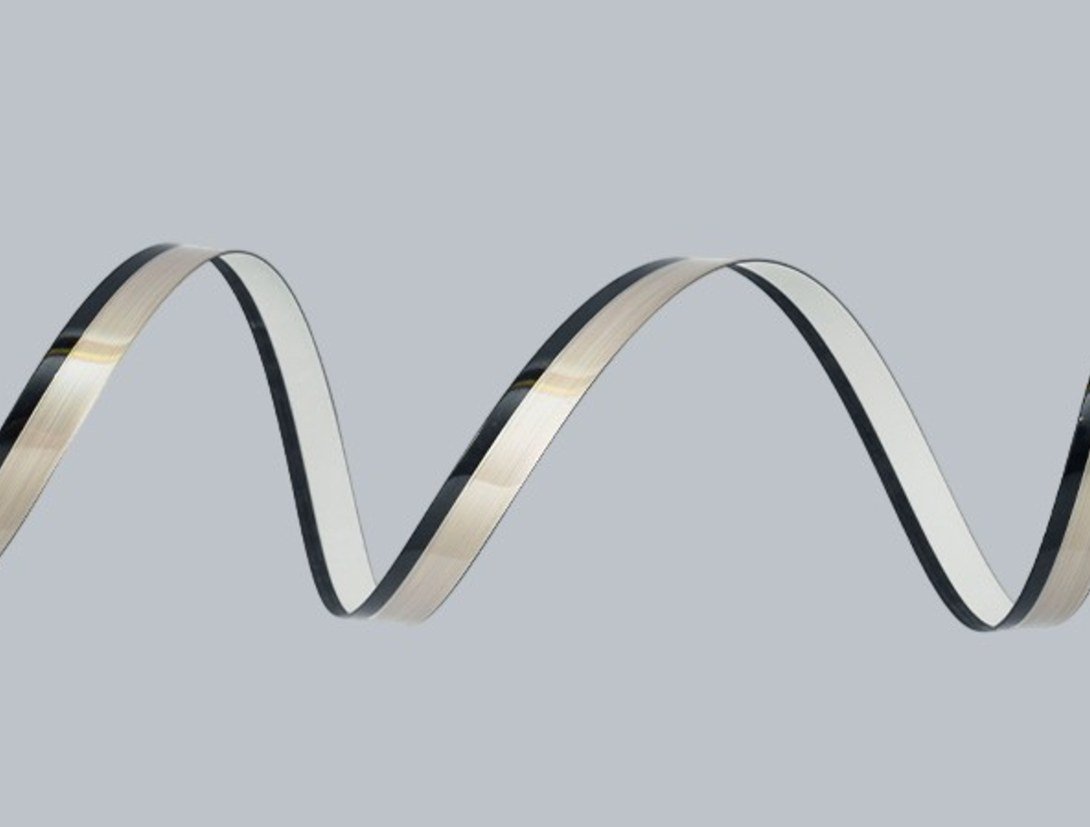
Acrylic edge banding is a thermoplastic strip made mainly from acrylic (PMMA-based) material. It is applied to the narrow edges of panels such as MDF, particleboard and plywood. It is best known for its high gloss, depth of colour and clean edge line, which is why it is often paired with high gloss laminate or acrylic faced panels in kitchens, wardrobes and retail fixtures.
It is one of three mainstream thermoplastic edge banding materials, alongside PVC and ABS. For a wider overview of how these materials differ, see this guide to PVC, ABS, acrylic and wood veneer differences.
Why do buyers choose acrylic edge banding?
Does acrylic give the best high gloss look?
For gloss and colour depth, acrylic is generally regarded as the premium option. Its surface can look clearer and deeper than standard PVC, which is why it is common on glossy and dark panels where the edge is expected to match the face.
Can acrylic create a zero joint (seamless) edge?
Acrylic is often used for zero joint or “no glue line” edges, usually applied with laser or hot air edge banding machines. In this method the functional layer on the back of the strip is activated by the machine instead of a visible glue line, so the edge can blend into the panel. Results depend on the machine, settings, panel and strip quality, so trials are recommended before volume production.
Zero joint is hardest on dark and high gloss panels, because any gap or line is easy to see. This is covered in detail in why zero joint edge banding is difficult on dark and high gloss panels.
How does acrylic compare with PVC and ABS?
The table below gives a general, industry-level comparison. Exact performance varies by formulation and supplier.
| Feature | Acrylic | PVC | ABS |
|---|---|---|---|
| Typical look | High gloss, deep colour | Wide range of colours, textures and finishes | Similar range to PVC, mainly matte and textured |
| Zero joint suitability | Commonly used | Possible with suitable structure | Possible with suitable structure |
| Chlorine content | No | Yes | No |
| Typical cost position | Higher | Economical, widely used | Mid-range |
| Typical use | Gloss kitchens, premium cabinets | General furniture, volume projects | Projects with chlorine-free requirements |
For a buying-focused view of this choice, read how distributors should choose between PVC, ABS and acrylic edge banding.
When is acrylic the right choice, and when is it not?
Acrylic is a good fit when:
- the panel face is high gloss or deep colour and the edge must match;
- a seamless, zero joint look is part of the product positioning;
- the end market is mid-to-high-end kitchens, wardrobes or commercial interiors.
PVC or ABS may be better when:
- the design is matte, wood grain or textured, where high gloss is not needed;
- cost control matters more than maximum gloss;
- a chlorine-free material is required (ABS or acrylic rather than PVC).
Gloss level is a design decision as much as a material one. This comparison of high gloss vs matte edge banding explains what furniture brands should consider.
What should furniture factories check before ordering acrylic edge banding?
How should colour matching be handled?
Gloss and dark colours make small colour differences easy to notice. Approve a physical sample against the actual panel, under the lighting used in your showroom, and confirm the same colour reference for repeat orders.
What about thickness, width and machine compatibility?
Confirm the strip thickness and width needed for your panel, and check that your edge banding machine supports the method you plan to use, whether conventional glue, hot air or laser. Zero joint results depend on the strip and machine being matched.
How should surface protection be handled?
High gloss surfaces scratch more visibly than matte ones. Ask whether the strip is supplied with protective film, and train operators to handle and store coils carefully, away from heat and dust.
Should you run a trial first?
Yes. A small trial run on your own machine and panels is the most reliable way to confirm edge appearance, trimming quality and adhesion before committing to larger volumes.
What should distributors keep in mind when stocking acrylic?
Acrylic is usually a specialist line rather than a volume line, so distributors often start with the most requested gloss and dark colours that match popular panel ranges. Keeping stock organised by colour, thickness and width, and storing coils flat or on suitable cores in a clean, moderate-temperature space, helps protect the surface until it is sold.
Where can you see Chaotai acrylic edge banding options?
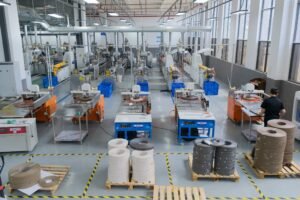
Chaotai is an edge banding factory with 150 production lines, producing PVC, ABS and acrylic edge banding for furniture manufacturers and distributors. The available acrylic range is shown on the acrylic edge banding product page. The PVC edge banding page is useful if you are comparing materials side by side.
If you have a project with specific colours, sizes or zero joint requirements, you can contact the Chaotai team to request a quote and discuss samples.