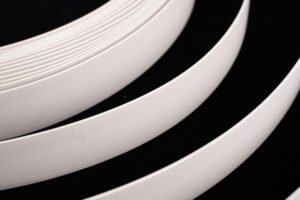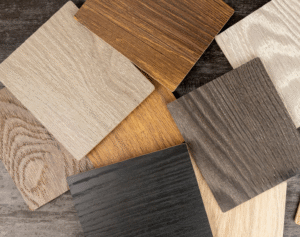

Poor panel edges ruin furniture quality, raise complaints, and damage brand trust. Many manufacturers overlook this small detail. Edge banding exists to fix this exact problem.
Edge banding is used to seal, protect, and finish the exposed edges of furniture panels. It improves durability, safety, moisture resistance, and visual consistency across furniture products.
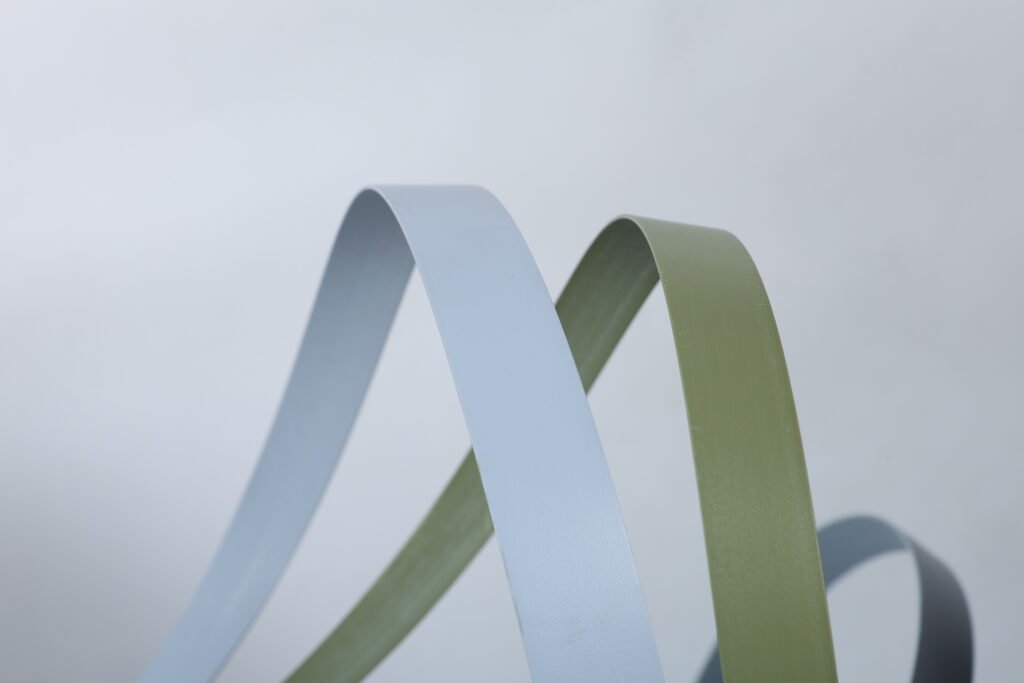
When I started working closely with furniture factories, I noticed one thing very clearly. Most quality issues do not come from large structures. They come from small details. Panel edges are one of those details. To understand why edge banding matters so much, we need to break its role down step by step.
The Purpose of Edge Banding in Furniture Manufacturing?
Unsealed panel edges cause damage, complaints, and wasted costs. Many factories only realize this after problems appear. Edge banding exists to prevent these issues before they start.
The purpose of edge banding is to cover exposed panel edges, protect the core material, and bring the panel to a finished and usable state.
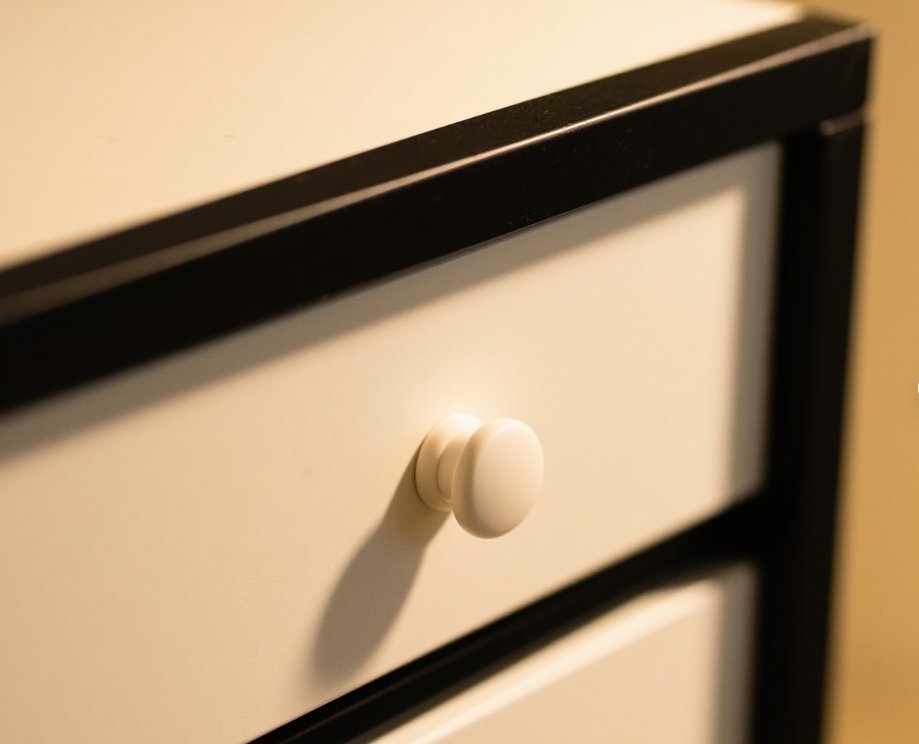
In furniture manufacturing, panels like particleboard, MDF, and plywood are cut to size. After cutting, the core material becomes exposed. This exposed edge is weak, porous, and visually rough. Without protection, it absorbs moisture, chips easily, and shortens the product’s life.
Why Raw Panel Edges Are a Problem
Raw edges create multiple risks at once. They affect quality, safety, and customer perception.
| Issue | Impact on Furniture |
|---|---|
| Moisture absorption | Swelling and deformation |
| Edge chipping | Shorter product lifespan |
| Sharp edges | Safety risks for users |
| Poor appearance | Lower perceived value |
Edge banding exists to solve all these problems with one solution. It seals the edge. It protects the core. It creates a smooth and finished surface.
Functional vs Decorative Purpose
Some people think edge banding is only decorative. That is not correct.
| Purpose Type | Description |
|---|---|
| Functional | Seals and protects the panel core |
| Decorative | Matches surface color and texture |
In my experience, manufacturers who focus only on appearance often face after-sales issues. The real value of edge banding starts with protection. Visual consistency comes next.
How Does Edge Banding Protect and Enhance Furniture Panels?
Furniture panels fail first at the edges. Water, impact, and daily use all attack the same weak point. Edge banding strengthens this area directly.
Edge banding protects furniture panels by sealing moisture paths, absorbing impact, and improving edge strength during daily use.

Panels are strong on the surface but weak on the edge. This is a basic material fact. Edge banding works as a barrier between the panel core and the outside environment.
Moisture Resistance and Sealing
Moisture is one of the biggest enemies of panel furniture. Once water enters the core, damage becomes permanent.
| Panel Type | Moisture Risk Without Edge Banding |
|---|---|
| Particleboard | Very high |
| MDF | High |
| Plywood | Medium |
Edge banding blocks moisture paths. It reduces swelling. It keeps dimensions stable. This is especially important in kitchens, bathrooms, and humid regions.
Impact Resistance and Daily Wear
Edges receive the most impact. Chairs hit cabinets. Drawers slide. Tools touch corners.
| With Edge Banding | Without Edge Banding |
|---|---|
| Rounded or sealed edge | Sharp and fragile edge |
| Lower chipping risk | High chipping risk |
| Longer service life | Early damage |
From what I have seen, a properly bonded edge band can increase edge impact resistance by more than 30% compared to raw edges, based on internal factory testing and material supplier data.
What Is the Role of Edge Banding in Furniture Durability and Longevity?
Short furniture lifespan leads to returns and lost trust. Most failures begin at exposed edges. Edge banding directly affects how long furniture lasts.
Edge banding extends furniture durability by protecting panel cores from moisture, impact, and long-term wear during repeated daily use.
Furniture durability is not only about thick boards or strong frames. It is also about how well weak points are protected.
Edge Failure as the First Breakdown Point
In many factory audits I have reviewed, edge damage is the first visible failure.
| Failure Type | Frequency |
|---|---|
| Edge swelling | Very common |
| Edge chipping | Common |
| Surface delamination | Less common |
Edge banding delays all these failures. It acts like armor for the panel edge.
Bonding Quality and Lifespan
Edge banding material alone is not enough. Bonding quality matters.
| Bonding Factor | Effect on Longevity |
|---|---|
| Adhesive type | Heat and moisture resistance |
| Application pressure | Edge stability |
| Temperature control | Long-term bond strength |
When edge banding is applied correctly, furniture panels can last several years longer in normal residential use. In commercial environments, the difference becomes even more visible.
How Does Edge Banding Improve Furniture Appearance and Finish Quality?
Even strong furniture fails in the market if it looks cheap. Customers notice edges first, even if they do not say it.
Edge banding improves appearance by creating smooth edges, consistent colors, and a finished look that matches modern furniture standards.
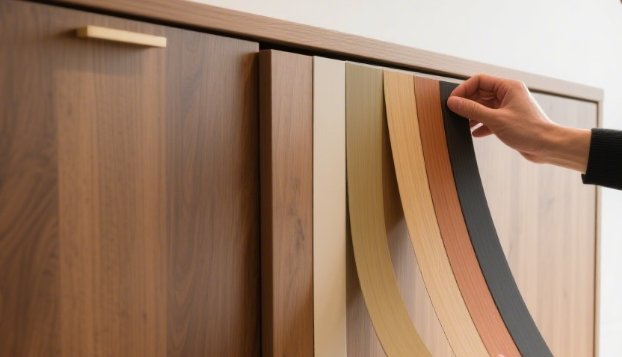
Appearance sells furniture. Edges frame every panel. Poor edges break the visual flow.
Color Matching and Surface Consistency
Modern furniture demands consistency. Edge banding supports this demand.
| Finish Element | Role of Edge Banding |
|---|---|
| Color match | Creates seamless transitions |
| Texture match | Supports wood grain realism |
| Gloss level | Maintains visual balance |
From my experience working with distributors, color mismatch is one of the top reasons for customer complaints. Edge banding solves this when selected correctly.
Perceived Quality and Brand Value
Customers often judge quality without technical knowledge.
| Visual Cue | Customer Reaction |
|---|---|
| Smooth edge | Feels premium |
| Rough edge | Feels cheap |
| Seamless joint | Looks professional |
Edge banding plays a silent but powerful role in brand perception. It does not shout, but it clearly speaks.
What Are the Common Applications of Edge Banding in Modern Furniture Production?
Edge banding is not limited to cabinets. It appears in almost every modern panel-based furniture product.
Edge banding is commonly used in cabinets, wardrobes, office furniture, shelving, and commercial interior systems.

Panel furniture dominates modern manufacturing because it is efficient and scalable. Edge banding follows this trend.
Residential Furniture Applications
| Furniture Type | Edge Banding Role |
|---|---|
| Kitchen cabinets | Moisture protection |
| Wardrobes | Visual consistency |
| TV units | Impact resistance |
| Shelving | Safety and durability |
Commercial and Office Furniture
Commercial environments demand more durability.
| Application | Reason for Edge Banding |
|---|---|
| Office desks | High daily wear |
| Retail displays | Clean visual lines |
| Hotel furniture | Long service cycles |
From my work with overseas distributors, edge banding choice often changes based on use case. Thicker edges are used for offices. Softer edges are preferred for residential furniture.
Conclusion
Edge banding is essential in furniture manufacturing. It protects panels, improves durability, and defines visual quality. Without it, modern furniture standards cannot be met.
Data Sources & References
- European Panel Federation (EPF)
https://www.europanels.org - Woodworking Network – Edge Banding Performance Studies
https://www.woodworkingnetwork.com - Furniture Industry Research Association (FIRA)
https://www.fira.co.uk - Hettich Technical Documentation – Edge Banding Applications
https://www.hettich.com - Rehau Furniture Solutions – Edge Banding Technology Insights
https://www.rehau.com