Choosing the wrong edge banding thickness can cause cracking, poor appearance, and customer complaints. Many furniture projects fail because buyers ignore this small but important detail.
The right edge banding thickness depends on furniture type, usage conditions, processing methods, and quality requirements. Most furniture projects use 0.5mm to 2mm edge banding, while thicker options are used for premium or high-impact applications.

When I communicate with furniture manufacturers and distributors, I often find that many buyers focus on colors and prices first. However, thickness selection is also a key factor that affects production efficiency, furniture durability, and final appearance.
A suitable thickness helps furniture manufacturers reduce production problems and improve customer satisfaction. A wrong thickness choice can increase costs and create unnecessary quality issues.
In this guide, I will explain how PVC edge banding thickness affects furniture quality, what thickness options are available, and how buyers can select the right thickness for different projects.
Why Does PVC Edge Banding Thickness Matter for Furniture Quality and Durability?
Many buyers consider edge banding thickness as only a specification. However, thickness directly affects the protection, appearance, and service life of furniture.
A small difference in thickness can create different production results.
How Does Thickness Affect Furniture Protection?
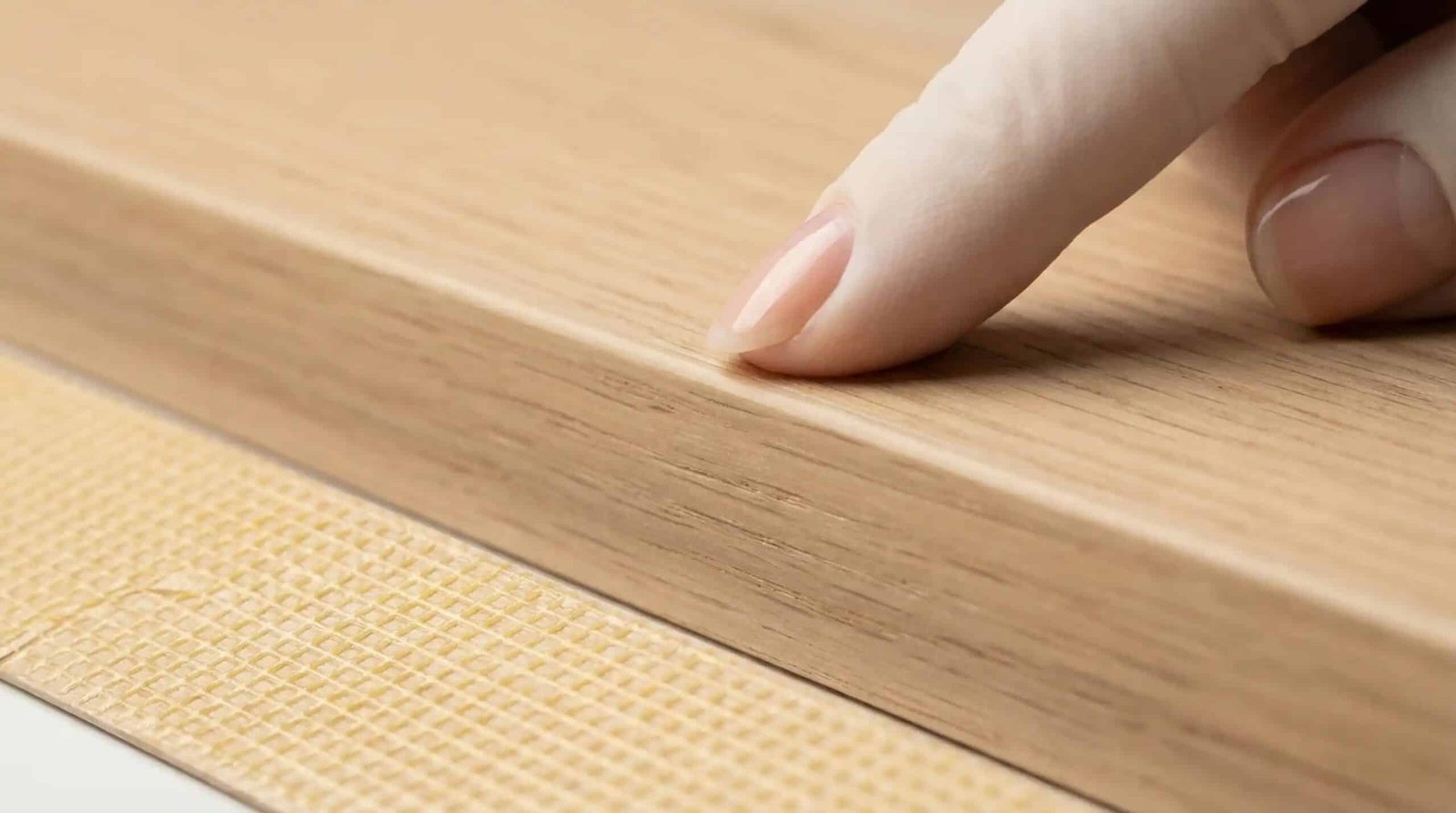
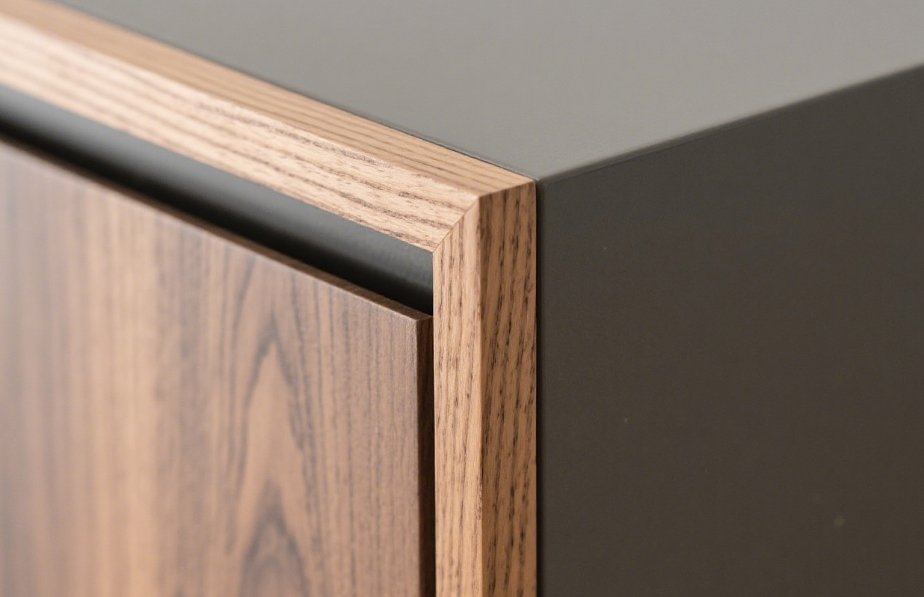
The main function of edge banding is protecting the exposed edges of panels.
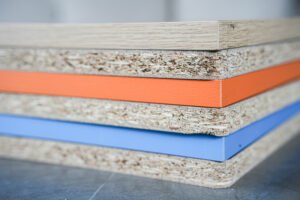
Furniture panels, especially particle board and MDF, need edge protection because the exposed core material can be affected by:
- Moisture
- Impact
- Daily use
- Temperature changes
Thicker edge banding usually provides stronger protection.
For example, kitchen cabinets and commercial furniture often require stronger edge protection because they experience frequent contact.
| Thickness Range | Protection Level | Typical Usage |
|---|---|---|
| 0.3-0.5mm | Basic protection | Low-cost furniture |
| 1mm | Balanced protection | General furniture |
| 2mm+ | High protection | Premium furniture |
How Does Thickness Affect Furniture Appearance?
Thickness also influences visual quality.
Thin edge banding creates a cleaner and lighter appearance. It is often used for simple furniture designs.
Thicker edge banding creates a stronger edge profile. It is often used for high-end furniture where durability and premium appearance are important.
For example, many luxury kitchen cabinets use thicker edge banding because customers expect better finishing quality.
How Does Thickness Affect Production Performance?
Thickness is also related to processing.
Different thicknesses require different machine settings.
Manufacturers need to adjust:
- Edge banding machine pressure
- Cutting tools
- Adhesive temperature
- Processing speed
If the thickness does not match the production process, problems can happen.
| Issue | Possible Result |
|---|---|
| Incorrect thickness | Poor bonding |
| Unstable thickness | Processing problems |
| Wrong specification | Higher production waste |
From my experience, choosing the correct thickness at the beginning can save more cost than solving production problems later.
What Are the Common PVC Edge Banding Thickness Options and Their Applications?
PVC edge banding is available in different thicknesses because furniture projects have different requirements.
There is no single thickness that works for every application.
0.3mm-0.5mm Edge Banding
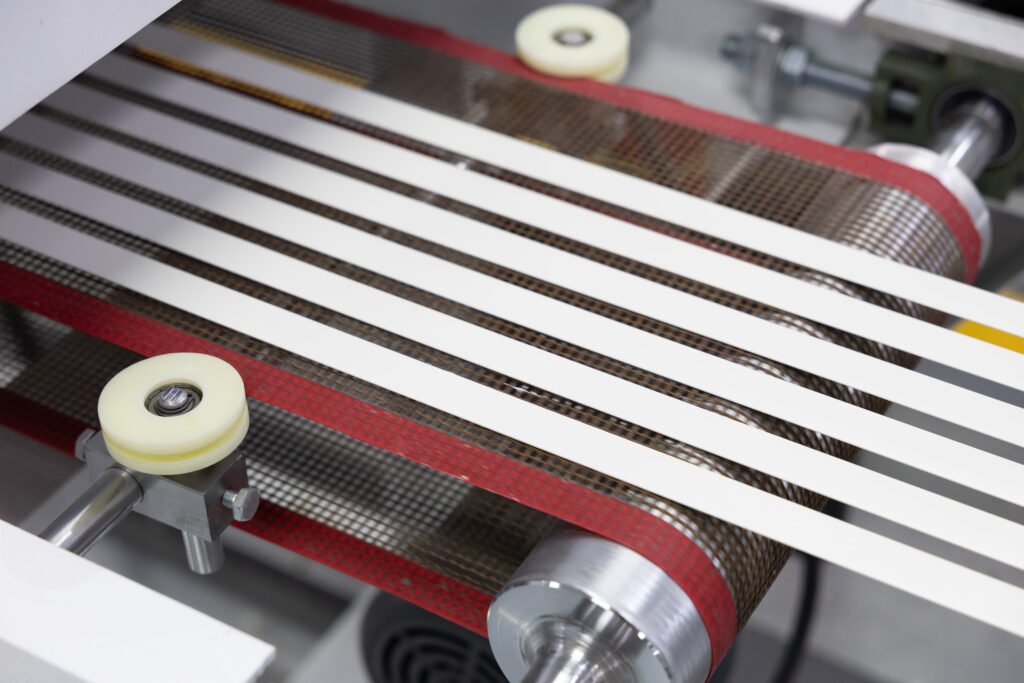
Thin edge banding is commonly used for cost-sensitive projects.
Advantages:
- Lower material cost
- Easy processing
- Suitable for large-volume production
Common applications:
- Office furniture
- Simple cabinets
- Economy furniture
However, thin edge banding has limitations.
It provides less impact resistance compared with thicker options.
1mm Edge Banding
1mm edge banding is one of the most common choices in furniture manufacturing.
It provides a balance between:
- Cost
- Appearance
- Durability
Applications include:
- Residential furniture
- Wardrobes
- Kitchen cabinets
- General panel furniture
2mm Edge Banding
2mm edge banding is often used for higher-quality furniture projects.
Advantages:
- Better impact resistance
- Stronger edge protection
- Premium appearance
Applications:
- High-end furniture
- Commercial projects
- Luxury cabinets
3mm and Thicker Edge Banding
Thicker edge banding is usually used for special requirements.
Applications include:
- Heavy-duty furniture
- Special designs
- Customized projects
| Thickness | Main Feature | Common Application |
|---|---|---|
| 0.3-0.5mm | Cost efficiency | Basic furniture |
| 1mm | Balanced performance | Most furniture projects |
| 2mm | Higher durability | Premium furniture |
| 3mm+ | Special protection | Customized applications |
Before selecting thickness, buyers should consider the final application instead of only comparing prices.
How to Choose the Right Edge Banding Thickness for Different Furniture Projects?
The correct thickness depends on how the furniture will be used.
Different projects have different requirements for durability, appearance, and cost.
Kitchen Cabinets
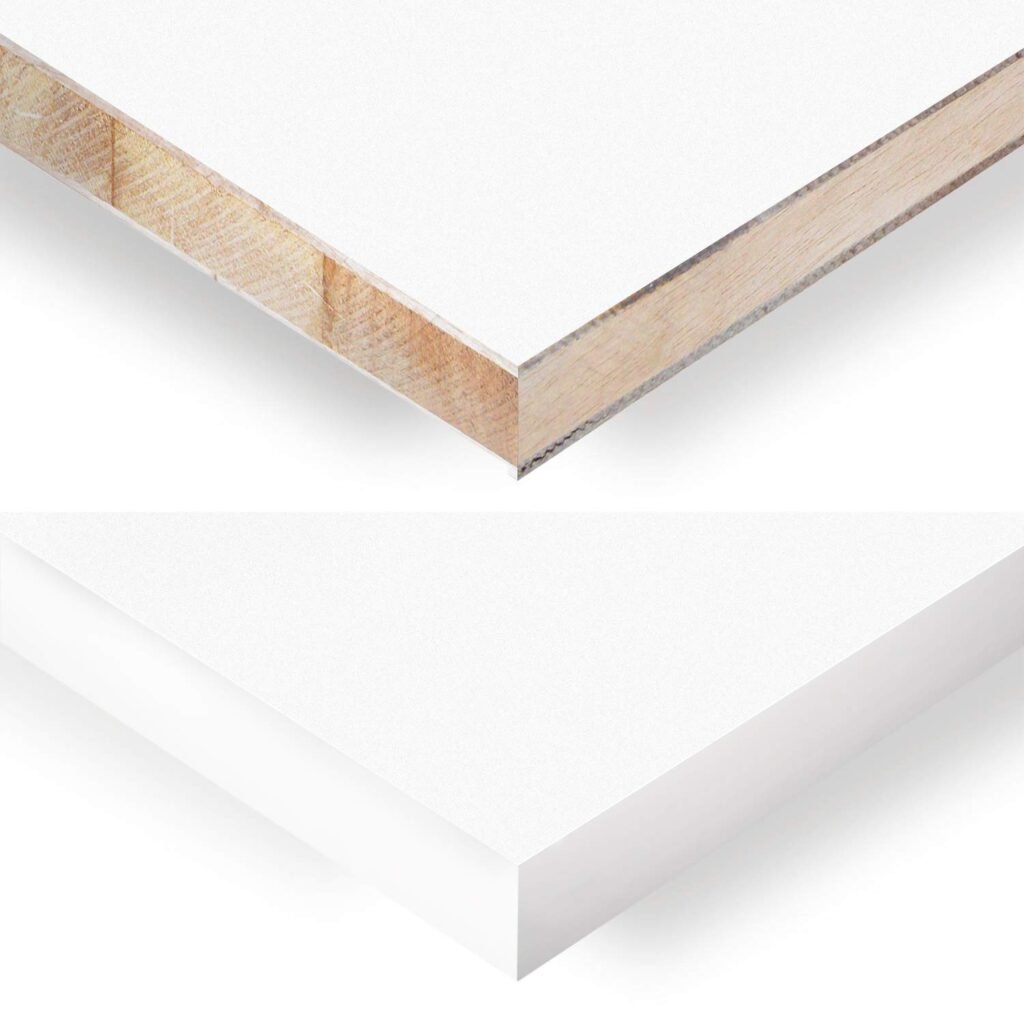
Kitchen cabinets usually need stronger edge protection.
Reasons include:
- Frequent opening and closing
- Exposure to moisture
- Daily impact
Recommended thickness:
1mm-2mm
Thicker edge banding can help improve durability.
Office Furniture
Office furniture usually focuses on cost balance.
Recommended thickness:
0.5mm-1mm
This thickness can provide acceptable protection while controlling production costs.
Wardrobes and Residential Furniture
Residential furniture usually requires both appearance and durability.
Recommended thickness:
1mm
This option provides a good balance.
Luxury Furniture
Premium furniture projects usually focus more on appearance and long-term quality.
Recommended thickness:
2mm+
| Furniture Type | Recommended Thickness | Main Reason |
|---|---|---|
| Office furniture | 0.5-1mm | Cost control |
| Wardrobe | 1mm | Balanced performance |
| Kitchen cabinet | 1-2mm | Better protection |
| Luxury furniture | 2mm+ | Premium quality |
Before selecting edge banding, buyers should also consider:
- Panel material
- Processing equipment
- Customer expectations
- Market positioning
A distributor selling premium furniture materials should not choose the same thickness as a supplier serving low-cost projects.
What Problems Can Happen When Buyers Choose the Wrong Edge Banding Thickness?
Wrong thickness selection can create hidden costs.
Many buyers only realize the problem after production starts.

Problems With Choosing Too Thin Edge Banding
Thin edge banding may reduce costs, but it may create risks.
Possible problems include:
- Easier edge damage
- Lower impact resistance
- Shorter service life
For example, using thin edge banding for kitchen cabinets may increase customer complaints because kitchens have higher usage frequency.
Problems With Choosing Too Thick Edge Banding
Thicker is not always better.
Too thick edge banding may cause:
- Higher material costs
- More difficult processing
- Machine adjustment problems
The production team may need to slow down processing speed.
| Wrong Choice | Possible Result |
|---|---|
| Too thin | Weak protection |
| Too thick | Higher cost |
| Wrong width | Installation problems |
| Wrong material | Quality complaints |
Why Should Buyers Consider More Than Price?
The cheapest option is not always the most economical choice.
If poor thickness selection causes:
- Rework
- Material waste
- Customer complaints
The final cost can become much higher.
I always suggest buyers consider the total project value instead of only the purchasing price.
Explore More Edge Banding Solutions for Your Furniture Projects
Choosing the right thickness is only one part of selecting suitable edge banding.
Different projects may also require solutions based on:
- Material type
- Color matching
- Surface finish
- Custom specifications
- Delivery requirements
You can explore our related edge banding solutions and manufacturing capabilities to find a better option for your project.
[Insert internal link to PVC Edge Banding product page]
[Insert internal link to Custom Edge Banding Factory page]
[Insert internal link to OEM Color Matching service page]
How Can a Professional Edge Banding Manufacturer Help You Select the Right Thickness?
A professional manufacturer does more than produce edge banding.
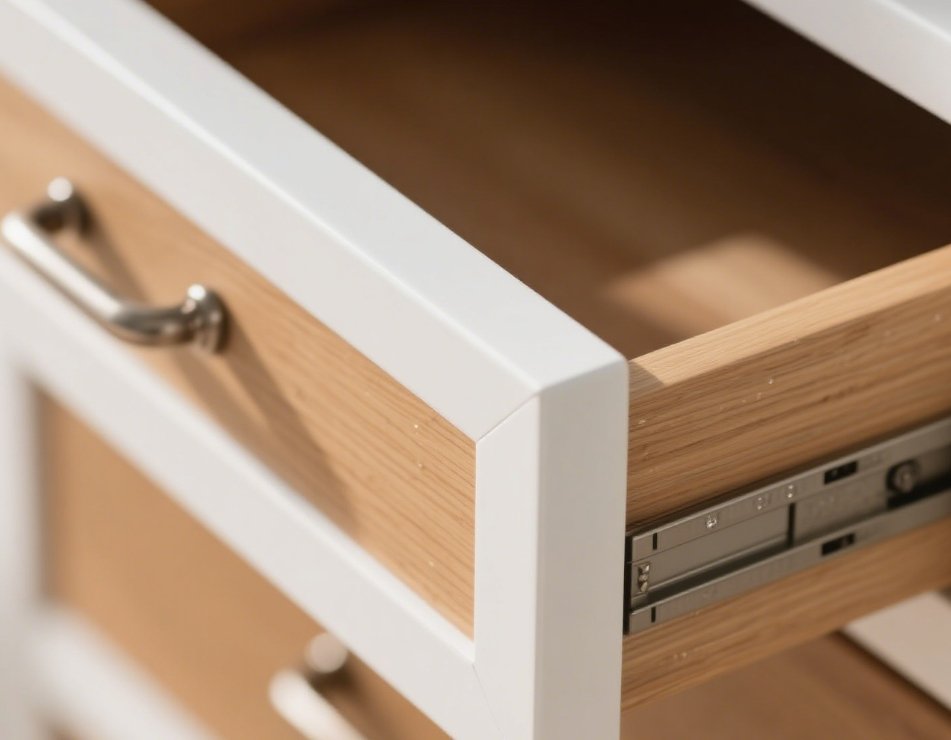
A reliable supplier should help customers choose suitable specifications based on actual applications.
Provide Technical Recommendations
Experienced manufacturers understand different furniture requirements.
They can recommend:
- Suitable thickness
- Suitable width
- Suitable material
This helps buyers avoid wrong decisions.
Support Customized Solutions
Different customers may need different specifications.
A professional OEM factory can provide:
- Custom thickness
- Custom colors
- Custom sizes
This is especially important for distributors and furniture brands.
Ensure Thickness Consistency
Thickness consistency is important for production stability.
A reliable manufacturer should control:
- Thickness tolerance
- Surface quality
- Batch consistency
| Manufacturer Capability | Customer Benefit |
|---|---|
| Technical support | Better product selection |
| OEM ability | Customized solutions |
| Quality control | Stable production |
| Manufacturing experience | Lower risk |
At Chaotai, we understand that customers do not only need edge banding products. They need solutions that match their furniture projects.
Our goal is to help customers choose the right material, thickness, and specifications for better production results.
Conclusion
Choosing the right edge banding thickness improves furniture quality, reduces risks, and creates better long-term value.
Data Sources
- EGGER Group – Decorative Materials and Furniture Solutions
https://www.egger.com/ - ISO 9001 Quality Management Systems – International Organization for Standardization
https://www.iso.org/iso-9001-quality-management.html - European Chemicals Agency (ECHA) – PVC Material Information
https://echa.europa.eu/ - Grand View Research – Furniture Market Size and Industry Analysis
https://www.grandviewresearch.com/industry-analysis/furniture-market - Chaotai Industrial – PVC Edge Banding Manufacturer
https://edgebandct.com/