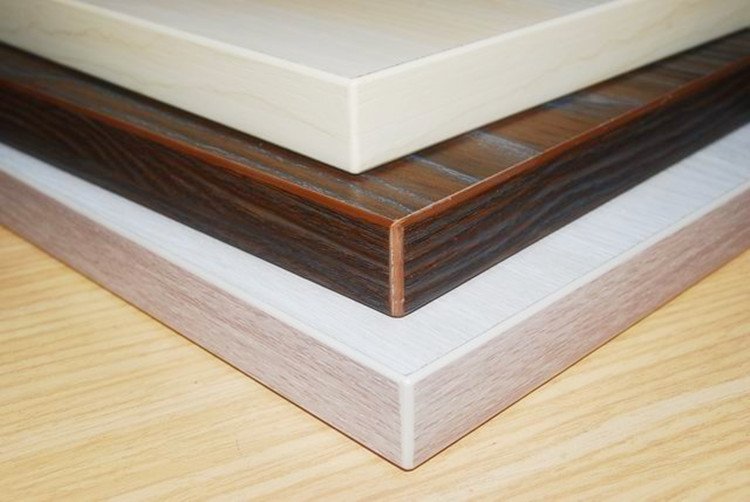
I have seen how small specification mistakes can lead to poor edge finishing, wasted materials, and higher production costs. A lower purchase price does not always mean a lower total cost.
I believe edge banding specifications affect furniture quality and production costs through material choice, thickness, width, surface finish, and compatibility with the production process. I compare these factors with the panel material, equipment, and customer requirements before choosing a product.

I do not treat edge banding as a small detail that can be decided after the furniture panel has been selected. The wrong specification can cause visible edges, poor adhesion, extra trimming work, or material waste. A specification that works well on one production line may not work as well on another. I need to look at the whole process, from panel selection and edge application to final inspection and delivery.
Which Edge Banding Specifications Have the Biggest Impact on Furniture Quality?
I do not judge edge banding quality by appearance alone. The material must fit the panel, protect the exposed edge, and work with the production equipment. A poor match in any of these areas can create defects that increase costs.
I focus on thickness, width, material, surface finish, and bonding compatibility because each factor affects a different part of the finished product.

How Does Thickness Affect Edge Protection?
I choose thickness based on the furniture’s use and the level of edge protection it needs. Thin edge banding can suit cost-sensitive furniture and less exposed edges. Thicker edge banding can provide a more substantial appearance and better protection against some types of impact.
For example, a cabinet interior and a frequently used office desk may not need the same specification. I would assess the risk of bumps, the required edge profile, and the expected service conditions before choosing the thickness.
I would not assume that thicker edge banding always produces a better result. A thicker strip may increase material costs and require different trimming settings. The machine must also support the selected thickness. The final result depends on the material, bonding process, and machine setup, not thickness alone.
How Does Width Affect the Finished Edge?
I select edge banding width based on the actual panel thickness and the trimming allowance required by the production process. The strip needs enough width to cover the panel edge and leave material for trimming.
If I choose a strip that is too narrow, the finished edge may not be fully covered. If I choose one that is much wider than necessary, I may create more trimming waste and increase material use.
I also check the actual panel thickness rather than relying only on its nominal size. The machine’s trimming setup and the required finished profile can affect the final choice.
Which Other Specifications Should I Check?
I review the full specification before placing an order. The table below shows how I connect each factor with its likely effect on production.
| Specification | Quality impact | Cost or production impact |
|---|---|---|
| Thickness | Edge protection and finished appearance | Material use and trimming requirements |
| Width | Full edge coverage | Trimming waste and material consumption |
| Material | Flexibility, impact behavior, and machining result | Purchase price and processing requirements |
| Surface finish | Color, gloss, and texture match | Sample approval and rework risk |
| Bonding compatibility | Adhesion and glue-line appearance | Machine adjustment, defects, and downtime |
| Dimensional consistency | Uniform finished edges | Scrap, rework, and inspection time |
I would test the selected product on the actual panel and machine before mass production. I would check the finished edge, trimming quality, adhesion, and visual match. This simple step can reveal problems that a specification sheet alone cannot identify.
How Do Edge Banding Thickness and Width Affect Material Costs and Processing Efficiency?
I do not compare edge banding options by price per meter alone. Thickness and width affect the amount of material used, the amount removed during trimming, and the work needed to achieve a clean finish.
I compare the full cost of applying each specification. This helps me avoid saving money on the purchase price only to spend more on waste, rework, or slower production.
How Does Thickness Change Material Use?
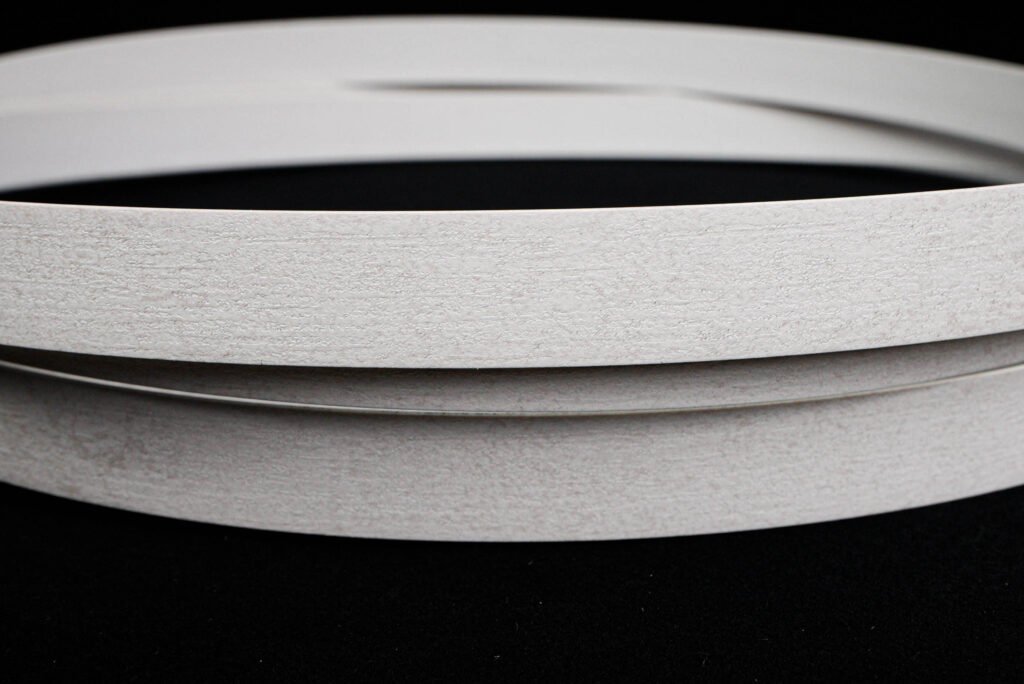
For the same material and width, a thicker edge band generally uses more material by volume per meter. This can increase the cost of each meter, although the actual price also depends on material type, density, surface design, order quantity, and supplier terms.
I would choose a thicker product when its added protection or appearance serves a clear purpose. I would not apply the thickest option to every panel without considering how the furniture will be used.
For example, I may choose a more substantial edge for a desk that receives frequent contact. I may use a thinner specification for a less exposed cabinet component when it meets the required quality level. These choices should be confirmed through product testing and customer requirements.
How Does Width Affect Material Waste?
I choose width to cover the panel edge with enough extra material for trimming. The goal is not to use the narrowest possible strip. The goal is to use a width that provides reliable coverage without unnecessary excess.
Suppose I process a panel that is 18 mm thick. A 23 mm strip provides 5 mm of additional width before trimming. Whether that is the best option depends on the machine setup, panel tolerances, and finishing requirements.
I would record how much material is removed during normal production. If one specification creates consistently more waste than another, I would check whether the width is excessive or the trimming setup needs adjustment.
How Can I Compare the Total Production Cost?
I would use the same production conditions when comparing two specifications. I would include the purchase price, material consumption, machine time, scrap, and rework.
| Cost factor | What I measure | Why it matters |
|---|---|---|
| Purchase cost | Price per meter or roll | Shows the initial material expense |
| Material consumption | Meters used per finished panel | Shows how much stock each product needs |
| Trimming waste | Material removed during finishing | Reveals avoidable material loss |
| Processing time | Time needed per panel or batch | Affects production capacity |
| Defect rate | Pieces requiring repair or replacement | Adds material and labor costs |
| Changeover time | Time needed to adjust the machine | Matters when production switches between specifications |
I would calculate the cost per acceptable finished panel, not just the cost per meter of edge banding. If a lower-cost specification creates more defects or takes longer to process, it may not be the better choice.
I would also confirm that the machine supports the selected material and thickness. HOMAG’s published machine specifications show that supported edge thickness and feed speed depend on the machine model. This is why I would verify equipment limits before changing a production specification.
How Do Material Types and Surface Finishes Affect Product Performance and Appearance?
I do not choose edge banding material based on price or color alone. PVC, ABS, acrylic, and wood veneer have different properties, and each option may suit a different furniture application.
I compare the material with the panel, expected use, bonding system, and required appearance. I also check the surface finish because a close color match can still look wrong when the gloss or texture is different.

How Do Different Materials Affect Production?
I consider the properties of each material before I decide which one to use.
- PVC edge banding: I consider PVC for many general furniture applications because it offers a wide range of colors, thicknesses, and finishes. I still check the required impact performance and machine compatibility.
- ABS edge banding: I consider ABS when its material properties and project requirements make it a suitable alternative to PVC. I verify the product specification and processing conditions instead of assuming that every ABS product performs the same way.
- Acrylic edge banding: I consider acrylic when the furniture design requires a high-gloss appearance or a particular visual effect. I pay close attention to surface quality and the finished edge.
- Wood veneer edge banding: I consider veneer when the furniture needs a natural wood appearance. I check the veneer grade, thickness, color, and finishing process.
I would not claim that one material is always better than the others. The right choice depends on the furniture design, required performance, production method, and total cost. A technical guide from Yuehe also identifies material type, bonding, trimming quality, and finished appearance as factors to consider when selecting edge banding.
Why Does Surface Finish Matter?
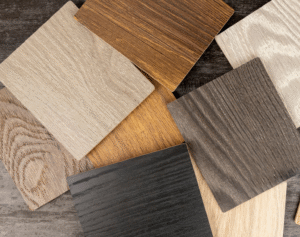
I treat surface finish as part of the product specification, not a final decoration choice. A matte panel paired with a highly reflective edge may create a visible difference. A wood grain panel may need a closer match in pattern, color, and texture.
I would compare physical samples under the lighting conditions in which the furniture will be viewed. I would also check the grain direction and the appearance of the finished corners.
For high-gloss or textured furniture, I would run a production trial before approving a large order. The edge may look correct in a sample book but appear different after trimming or when placed beside the actual panel.
How Should I Compare Materials and Finishes?
| Material or finish | Main selection concern | What I would verify |
|---|---|---|
| PVC | General performance and cost | Thickness, flexibility, color, and machine compatibility |
| ABS | Project-specific performance requirements | Technical data, bonding, and processing conditions |
| Acrylic | Gloss and visual quality | Surface appearance, trimming result, and panel match |
| Wood veneer | Natural appearance and finishing needs | Grain, color, thickness, and finishing process |
| Matte finish | Low-reflection appearance | Gloss consistency and texture |
| High-gloss finish | Strong light reflection | Surface defects, gloss match, and edge quality |
| Wood grain finish | Pattern coordination | Color, grain direction, and texture |
I would use these checks to choose the specification that fits the project. I would also ask the supplier for technical data and samples when the application requires specific performance. I would not rely on material names alone because products within the same category can differ in quality and processing needs.
How Can Buyers Balance Edge Banding Quality, Specifications, and Purchasing Costs?
I believe buyers need to balance product performance with the cost of using the product. The lowest quotation may not deliver the lowest total production cost, while the most expensive specification may provide features that the furniture does not need.
I compare options based on the finished product, production conditions, and expected use. This helps me avoid both under-specifying and over-specifying edge banding.

How Can I Avoid Paying for Unnecessary Specifications?
I start by defining what the furniture needs. I identify the panel thickness, exposed edge, use environment, appearance requirements, and expected production volume.
I then choose the material and thickness that meet those needs. I would not select a 2 mm strip simply because it feels more substantial if a thinner option passes the required tests and meets the customer’s expectations.
I also avoid reducing specifications without checking the risks. A cheaper product may be unsuitable if it creates poor adhesion, visible defects, or insufficient protection. The cost of replacing defective panels may be greater than the initial material saving.
How Can I Compare Supplier Quotations Fairly?
I ask each supplier to quote the same specification. If one supplier quotes a different thickness, material, or finish, I would not compare the prices as if the products were identical.
I would request samples and confirm the technical details before approving the order. I would also check minimum order quantities, lead times, packaging, freight, and quality complaint procedures.
I use a comparison table to keep the decision clear.
| Evaluation factor | Supplier A | Supplier B | What I need to confirm |
|---|---|---|---|
| Material and thickness | Quoted specification | Quoted specification | Are both products equivalent? |
| Price | Quoted price | Quoted price | Does the price include the same costs? |
| Quality | Sample and test results | Sample and test results | Which option meets the requirements? |
| Processing | Trial production result | Trial production result | Which option runs reliably on my equipment? |
| Lead time | Confirmed delivery period | Confirmed delivery period | Which supply plan meets production needs? |
| Defect handling | Written terms | Written terms | What happens if a batch fails inspection? |
How Can I Calculate the Cost of a Specification?
I would compare the cost per acceptable finished panel. My calculation would include edge banding material, adhesive, labor, machine time, waste, rework, and any other relevant production expenses.
For example, a lower-priced strip may appear attractive until I find that it causes more trimming waste or requires extra machine adjustments. I would measure these effects during a controlled production trial rather than assume that they will occur.
I would also consider production volume. A small difference in material cost may become important across thousands of panels. At the same time, I would not use volume alone to justify a cheaper specification that fails quality checks.
My final choice would meet the required quality level at a reasonable total cost. I would document the approved specification so purchasing, production, and quality teams use the same requirements.
How Can Manufacturers Help Furniture Producers Optimize Edge Banding Specifications?
I believe a reliable manufacturer should help me select the right specification, not simply offer the widest product range. The manufacturer can provide technical information, samples, and production advice that help me reduce selection errors.
I would work with suppliers that understand my panel materials, equipment, and quality requirements. I would also ask them to help me confirm specifications before I place a large order.
What Technical Support Should I Expect?
I would ask the manufacturer to provide a complete specification sheet. It should identify the material, thickness, width, color, finish, and relevant tolerances. I would also ask for processing recommendations when the product requires specific machine settings or bonding conditions.
For example, if I want to switch from one material to another, I would not assume that I can keep every machine setting unchanged. I would ask the manufacturer what needs to be checked and run a trial under the actual production conditions.
I would also ask the supplier to explain which specifications are available as standard products and which require customization. This helps me understand the likely cost, minimum order quantity, and lead time before I make a commitment.
How Can Sample Testing Reduce Production Risk?
I would test the product before approving a bulk order. My test would use the actual panel, adhesive system, and edge banding equipment whenever possible.
I would check the following points:
- Whether the edge banding matches the panel in color, gloss, and texture.
- Whether the strip covers the panel edge and leaves enough material for trimming.
- Whether the bonding result meets the required quality standard.
- Whether trimming and corner finishing produce an acceptable appearance.
- Whether the production line can process the material at the planned speed.
- Whether the finished panel passes the factory’s inspection requirements.
I would record the test result and keep an approved sample. If a later order uses a different specification, I would repeat the relevant checks rather than assume the old approval still applies.
How Can I Build a Better Supplier Evaluation Process?
I would compare manufacturers using both product quality and production support. A supplier may offer a competitive price, but I also need to know whether it can deliver consistent specifications and respond when problems arise.
| Supplier capability | What I would verify | How it supports production |
|---|---|---|
| Specification control | Product data and dimensional tolerances | Reduces uncertainty during purchasing |
| Sample support | Samples and approval process | Helps confirm appearance before bulk orders |
| Production advice | Machine and bonding recommendations | Helps reduce processing problems |
| Quality records | Inspection procedures and batch records | Supports consistent product quality |
| Supply planning | Minimum quantities and lead times | Helps schedule production |
| Problem resolution | Complaint and corrective action process | Helps manage defects and delays |
I would also review supplier performance after each major order. I would record delivery accuracy, product defects, specification changes, and the time needed to resolve problems.
I would share clear requirements with the manufacturer and ask for written confirmation of important specifications. This creates a common reference for purchasing, production, and quality control. It also makes repeat orders easier to manage.
I would not expect a supplier to remove every production risk. My goal is to work with a manufacturer that helps me identify risks early and make informed decisions before those risks affect finished furniture.
Conclusion
I choose edge banding specifications by balancing panel compatibility, durability, appearance, processing needs, and total cost. I test samples and work with reliable manufacturers to reduce waste and maintain consistent quality.
Data Sources and References
1. EGGER — Technical Data Sheet: ABS Edging https://www.egger.com/get_download/4d05297d-b2bc-4208-910e-320b418d2b12/Technical_datasheet_Edging_ABS.pdf Provides technical information on ABS edging, including dimensional tolerances and product characteristics.
2. HOMAG — EDGETEQ S-380 Edge Banding Machine https://www.homag.com/en/product-detail/machines/edge-banders-tenoners/edge-banding-machines/edge-banding-machines-edgeteq-s-380-profiline-8-20-mmin-feed-speed Provides machine specifications, supported edge thicknesses, feed speeds, and information on zero-joint processing.
3. HOMAG — EDGETEQ S-235 Edge Banding Machine https://www.homag.com/en/product-detail/machines/edge-banders-tenoners/edge-banding-machines/edge-banding-machines-edgeteq-s-235 Explains machine features related to adhesive application, workpiece guidance, trimming, and finished-edge quality.
4. CHAOTAI — PVC Edge Banding Thickness and Width Guide https://edgebandct.com/how-to-choose-the-right-pvc-edgeband-thickness-and-width-for-your-market/ Discusses thickness, width, application requirements, and the relationship between specifications and production costs.
5. Yuehe — Edge Banding Materials Guide https://yueheedgebander.com/edge-banding-materials-guide-how-to-choose-the-right-material-for-furniture/ Covers PVC, ABS, acrylic, and wood veneer, along with bonding compatibility, trimming quality, and material selection.