

I have seen how the wrong color choices can tie up cash and leave useful products out of stock. A large inventory does not always mean better sales.
I decide which edge banding colors to keep in stock by reviewing sales history, customer requests, panel color trends, supplier lead times, and inventory costs. I keep proven colors available, test new designs in small quantities, and use custom orders to serve less common needs.
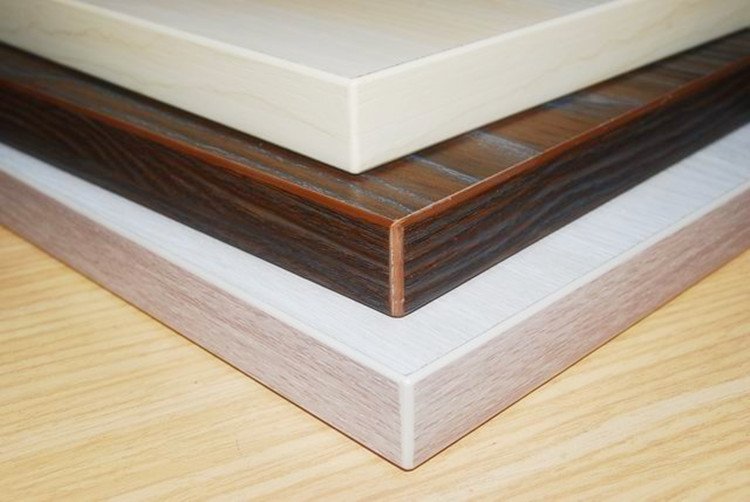
I do not treat every color as an equal inventory investment. Some colors support regular orders from many customers. Other colors may be important to only one furniture manufacturer. I need to understand this difference before I decide how much stock to buy. I also need a clear way to review demand and adjust my choices when customer needs change.
Why Does Color Selection Matter for Edge Banding Inventory Management?
I see color selection as a business decision, not just a design choice. If I stock the wrong colors, I may spend money on products that customers rarely order. If I stock too few colors, I may lose orders from furniture manufacturers that need a close match.
I choose colors based on their sales potential, customer value, and inventory cost. I also consider whether each color helps me serve more customers or meet a specific project requirement.
How Do Color Choices Affect My Business?
I consider three main risks when I choose colors.
First, I may hold too much stock of colors with weak demand. These products take up warehouse space and tie up working capital. I may need to discount them later to free up space and cash.
Second, I may run out of a color that customers order regularly. This can delay a customer’s furniture production or force the customer to buy from another supplier. One missed order may also affect future business if the customer decides to switch suppliers.
Third, I may stock a color that sells well but does not generate enough profit. I need to consider the purchase cost, shipping, storage, and the amount of stock I must keep available.
I use inventory analysis to compare products based on their contribution to sales. Microsoft Learn describes ABC analysis as a way to rank inventory items by sales value and use the results to guide stock decisions. I can apply this method to individual edge banding colors instead of treating every color as equally important.
Why Should I Track Each Color Separately?
I do not treat all oak colors as one product group. Light oak, natural oak, smoked oak, and dark oak may look similar in a general catalog, but they can serve different panel designs.
I record each color with its product code, material, thickness, width, finish, and approved reference sample. This helps me connect each sale to the exact product and avoid making purchasing decisions based on broad color names.
For example, a customer may request a specific gray that matches a certain panel collection. Another customer may need a warm gray with a different surface texture. If I record both requests as simply “gray,” I may misunderstand demand and buy the wrong product.
I also separate revenue from demand frequency. A color with a few large orders may be important, but it may not need the same replenishment plan as a color that sells in small quantities every week.
| Inventory risk | What I check | My response |
|---|---|---|
| Excess stock | Low sales and high stock levels | Reduce future orders |
| Frequent stockouts | Repeated demand before replenishment | Review reorder points |
| Low profit | Product costs compared with selling prices | Recheck pricing and sourcing |
| Color mismatch | Customer complaints and sample records | Verify specifications and references |
| Uncertain demand | Few orders or limited sales history | Test with samples or small orders |
I would review these risks every month. I would also check them when I add a new panel collection or receive repeated requests for a color that I do not stock.
How Can Distributors Identify the Most Popular Edge Banding Colors?
I do not assume that a color is popular because it appears often in furniture catalogs or looks attractive in a showroom. I use customer orders, quotation records, sample requests, and lost sales to understand what buyers actually need.
I would start with my own market data and then use panel catalogs and customer feedback to find possible gaps. This helps me separate proven demand from design trends that may not turn into orders.

How Do I Measure Color Demand?
I would collect sales data for each color over the previous 6 to 12 months, if available. I would record the number of orders, total meters sold, revenue, gross margin, and number of customers who purchased each color.
I would also review quotations that did not become sales. If customers regularly ask for a color that I cannot supply, my sales records alone may understate its potential. I would check whether the customer chose another supplier, changed the panel design, or abandoned the project.
I would then rank colors by more than one measure. A color with high sales revenue may deserve attention, but a color purchased by many different customers may also be valuable because its demand is spread across the customer base.
For new products, I would use sample requests and customer interviews as early signals. I would not treat a sample request as a confirmed sale, but I would use repeated requests to decide which colors deserve further testing.
How Can I Use ABC Analysis for Color Selection?
I can apply ABC analysis to identify the colors that contribute most to sales. The categories should reflect my own business data rather than a fixed rule that every distributor must follow.
| Category | My color inventory example | My stocking approach |
|---|---|---|
| A | Colors that contribute strongly to sales or serve key customers | Maintain closer stock control and review replenishment often |
| B | Colors with steady but moderate demand | Keep practical quantities and review them regularly |
| C | Colors with low or uncertain demand | Hold limited stock or purchase against confirmed orders |
Shopify’s inventory guidance explains how ABC analysis can help businesses focus on important products and reduce the cost of carrying items that sell slowly. I use the method as a starting point, but I would also consider gross margin, customer importance, and supply lead time.
I would not automatically remove every C-category color. One low-volume color may be essential to a long-term customer or may complete a product range that helps me win a larger order. I would check its business value before I decide to stop stocking it.
How Can Panel Catalogs Help Me Find Demand?
I would review the panel collections that my customers use most often. If cabinet makers regularly work with certain brands or decors, those collections can help me identify which edge banding matches to investigate.
I would compare the panel’s color, texture, and finish with the available edge banding samples. A general match such as “oak” is not enough for a reliable product decision. I would verify the exact panel reference and ask the manufacturer for a sample when necessary.
I would also ask customers about their upcoming projects. Their answers may show demand for new colors before those colors appear in my sales history.
I would treat catalog research and design reports as supporting information, not proof of sales. My final decision would depend on whether the color has a realistic customer base, an acceptable margin, and a workable supply plan.
How Should Distributors Balance Standard Colors and Special Wood Grain Designs?
I believe standard colors and special wood grain designs serve different roles in a distributor’s inventory. Standard colors can support repeat orders, while special designs can help me meet specific furniture styles and customer requirements.
I would not keep the same stock level for both groups. I would use sales history to manage proven colors and use customer feedback, samples, and confirmed orders to test less common designs.

Which Colors Should I Keep as Standard Stock?
I would begin with colors that match the regular needs of my customer base. Depending on the market, these may include white, black, gray, and common wood tones such as oak and walnut.
However, I would not assume that every market needs the same color mix. A distributor serving kitchen cabinet manufacturers may have different demand from one serving office furniture makers or custom furniture workshops. I would use local order history and customer interviews to decide which colors deserve regular stock.
I would also check whether a color is available in the specifications my customers use. A popular color may not be useful if I cannot supply the required thickness, width, material, or finish.
For standard products, I would set a minimum stock level and a reorder point. I would review both when demand changes or the supplier’s delivery time increases.
How Should I Handle Special Wood Grain Designs?
I would treat special wood grain designs as products that need stronger demand checks. A distinctive walnut pattern or a textured oak finish may help me win a project, but I would not buy a large quantity just because the design looks attractive.
I would start by collecting samples and matching them with the panel designs used by my customers. I would then ask whether the customer needs the product for one project or expects to use it in future orders.
I would consider three options:
- Sample-led selling: I show the design to customers and collect feedback before placing a stock order.
- Order-based purchasing: I buy the product when a customer confirms the required quantity.
- Limited stock: I keep a small quantity when several customers show steady demand.
I would also check whether the manufacturer can supply the same design again. A special color that cannot be reproduced consistently may create problems for customers who need matching products for later production runs.
How Can I Set Different Rules for Each Color Group?
I would create separate stock policies instead of using one rule for every product.
| Product group | Demand pattern | Stock policy | Main risk to monitor |
|---|---|---|---|
| Standard solid colors | Often repeated, if supported by sales data | Regular stock and planned replenishment | Stockouts |
| Common wood grain designs | Repeat demand tied to panel collections | Stock according to sales and lead time | Incorrect color matching |
| Special wood grain designs | Project-based or uncertain | Samples, small quantities, or confirmed orders | Unsold inventory |
| New colors | Limited sales history | Test demand before buying in volume | Overestimating demand |
I would review special designs more often during their first few months. If sales become regular, I could move them into a standard stock category. If demand remains weak, I would keep them available through the manufacturer where possible instead of tying up cash in my warehouse.
I would also keep approved samples and exact color references for both standard and special products. This matters because a color name alone does not guarantee a match between the edge banding and the panel. My goal is to offer variety without creating unnecessary stock or making promises that my supply chain cannot support.
How Can Distributors Set Stock Levels Based on Color Demand and Lead Times?
I do not set stock levels by guessing how many rolls might be enough. I use average sales, changes in demand, supplier lead times, and the cost of holding inventory to decide when to reorder.
A color that sells quickly may still need a larger buffer if replenishment takes a long time. A color with low demand may need very little stock if the manufacturer can supply it quickly and reliably.
How Do I Calculate a Reorder Point?
I use the reorder point to estimate when I need to place the next order. A simple starting formula is:
\[ \text{Reorder Point}= \text{Average Daily Demand}\times \text{Lead Time}+\text{Safety Stock} \]
For example, suppose I sell an average of 20 rolls of a certain color per week. My supplier needs two weeks to deliver, and I decide to keep 10 rolls as safety stock. My estimated reorder point is 50 rolls.
This is an illustrative example, not a recommended stock level for every distributor. I would calculate the actual figure using the same unit for demand and inventory, and I would adjust it for changes in sales and delivery reliability.
I would also check whether the supplier’s quoted lead time includes production, packing, shipping, customs clearance, and local delivery. If it covers production only, my reorder point may be too low.
How Should I Adjust Safety Stock?
I would use more safety stock for products with strong demand and uncertain replenishment. I would use less for products that sell slowly or have a high cost of storage.
I would not add the same buffer to every color. That approach could leave me with too much stock of slow-moving products while still failing to protect important colors.
I would review the following factors:
- Demand variation: Does the color sell at a steady rate, or do orders change sharply?
- Lead-time variation: Does the manufacturer deliver within the expected period?
- Customer importance: Would a stockout affect a key account or a large order?
- Inventory cost: How much cash and warehouse space does the product require?
- Substitution options: Can another color meet the customer’s needs, or must the match be exact?
I would also distinguish between an emergency buffer and excess inventory. Safety stock protects against uncertainty. Stock that has no clear demand or replenishment purpose may simply tie up cash.
How Can I Turn These Rules into a Working Stock Plan?
I would track each color’s average weekly sales, current stock, open purchase orders, lead time, and reorder point in one inventory report. I would review high-priority colors more often and check slow-moving colors before placing new orders.
| Inventory measure | Example | Decision |
|---|---|---|
| Average weekly demand | 20 rolls | Estimate normal usage |
| Supplier lead time | 2 weeks | Estimate demand during replenishment |
| Safety stock | 10 rolls | Cover some uncertainty |
| Reorder point | 50 rolls | Trigger a new order when stock reaches this level |
I would update the figures when demand changes. If a customer wins a large project, I would not assume that the higher sales rate will continue forever. I would separate confirmed project demand from regular demand before changing long-term stock levels.
I would also review the cost of ordering more often versus holding more stock. A small order may reduce inventory investment but increase freight or purchasing costs. A larger order may lower the unit cost but create more risk if demand falls.
The best stock level is not always the lowest or the highest. It is the level that supports customer demand at an acceptable cost.
How Can Manufacturers Help Distributors Manage Color Availability and Repeat Orders?
I believe a good manufacturer should help me manage color availability, not just sell me edge banding. Reliable color records, sample support, clear lead times, and consistent production can make it easier to plan inventory and serve customers.
I would evaluate manufacturers based on their ability to support the colors I sell regularly and the special designs my customers need. I would also check how they manage repeat orders before I make a supplier a key part of my business.

What Color Information Should I Request from a Manufacturer?
I would ask the manufacturer to provide a clear product catalog with color codes, materials, thicknesses, widths, finishes, and available quantities. This helps me identify which colors I can order regularly and which require custom production.
I would also request physical samples for important colors. A digital image can help me narrow down options, but it may not show the exact color and texture under different lighting conditions. I would compare the sample with the customer’s panel before confirming a large order.
For each important color, I would keep a record of:
- The exact product and color code.
- The panel reference or approved physical sample.
- The material, thickness, width, and surface finish.
- The date and details of the approved sample.
- The supplier’s usual lead time and minimum order quantity.
- Any quality issues reported on previous orders.
These records help me avoid confusion when customers place repeat orders. They also make it easier to explain a color requirement to a new sales representative or purchasing contact.
How Can I Reduce Risks in Repeat Orders?
I would not assume that two products with the same color name will always match. I would ask the manufacturer how it controls color consistency between production batches and how it checks new orders against approved references.
I would also agree on a sample approval process for important products. If the manufacturer changes a material, finish, or production method, I would ask whether the change could affect the final appearance.
For customers who use the same color over several projects, I would retain approved samples and written specifications. I would record the product code on every purchase order and ask the manufacturer to confirm that it can meet the same requirements.
I would also track actual lead times instead of relying only on the original quotation. If a supplier regularly delivers later than expected, I would increase the planning buffer or consider another supply option for critical colors.
What Should I Expect from a Long-Term Manufacturing Partner?
I would look for a manufacturer that helps me plan demand and solve problems. This may include advance notice of production changes, realistic delivery estimates, sample support, and clear communication about stock availability.
I would compare manufacturers using the same measures.
| Evaluation factor | What I would check | Business value |
|---|---|---|
| Color range | Available standard colors and custom options | Helps me meet more customer needs |
| Color consistency | Sample approval and batch inspection process | Reduces mismatch risk |
| Supply reliability | Actual lead times and delivery performance | Supports accurate replenishment |
| Minimum order quantity | Requirements for standard and special colors | Helps control inventory investment |
| Communication | Updates about delays or product changes | Allows faster decisions |
| Repeat-order support | Access to specifications and approved samples | Makes future orders easier to manage |
I would not select a supplier based on catalog size alone. A large catalog has limited value if the colors I need are difficult to reorder or if lead times are unpredictable.
I would review supplier performance regularly and discuss changes in customer demand. When a manufacturer understands which colors matter most to my business, both sides can make better decisions about production, purchasing, and stock availability.
Conclusion
I choose stock colors based on proven demand, profit, lead times, and customer needs. I use sales data, approved samples, and reliable manufacturers to keep inventory useful and costs under control.
Data Sources and References
The following sources support the inventory planning methods and color-selection principles discussed in this article. The example calculations and stock policies are illustrative; distributors should adapt them to their own sales data and supply conditions.
1. Microsoft Learn — ABC Analysis in Business Central https://learn.microsoft.com/en-us/dynamics365/business-central/inventory-powerbi-abc-analysis Explains how businesses can classify inventory by sales value and use the results to guide stock and replenishment decisions.
2. Shopify Help Center — ABC Inventory Analysis https://help.shopify.com/en/manual/inventory-and-locations/fundamentals/abc-analysis Describes how ABC analysis can help businesses prioritize important products and manage slow-moving inventory.
3. Amazon — Inventory Management for Small Businesses https://sell.amazon.com/blog/ecommerce-inventory-management Covers inventory tracking, reorder points, safety stock, and ABC analysis.
4. JINYOU — PVC Edge Banding Color Matching to Egger, Kronospan and Pfleiderer Panels https://www.jymat.com/blog/edge-banding-color-matching-egger-kronospan.html Discusses panel references, edge banding color matching, samples, and custom matching considerations.