
Many edge banding distributors try to serve every type of customer. This often leads to low margins, slow sales, and wasted marketing costs. I believe the real opportunity comes from finding the right customers, not simply finding more customers.
I identify profitable customer segments by looking at their purchasing volume, order frequency, profit margins, product needs, and long-term potential. I also compare local market demand with my supply capabilities before deciding which customers deserve more attention.
I have seen distributors spend a lot of time chasing large customers without checking whether those customers can bring stable profits. A large furniture factory may place a big order, but it may also demand lower prices, longer payment terms, and strict delivery conditions. A smaller cabinet manufacturer may place fewer orders, but it may reorder every month and accept a better price for reliable products. These differences matter. In this article, I will explain how I analyze local customer groups, measure their profit potential, understand their purchasing needs, and choose the right customers for long-term business growth.
Which Customer Segments Should Edge Banding Distributors Analyze in Their Local Markets?
I do not believe every business that uses edge banding is a good target customer. Some businesses buy in large quantities, while others purchase only when they have a specific project. I need to understand these differences before investing time in sales.
I usually divide the local market into several customer segments based on their business models, production needs, and purchasing habits. This gives me a clearer view of where real opportunities may exist.
1. Furniture Manufacturers
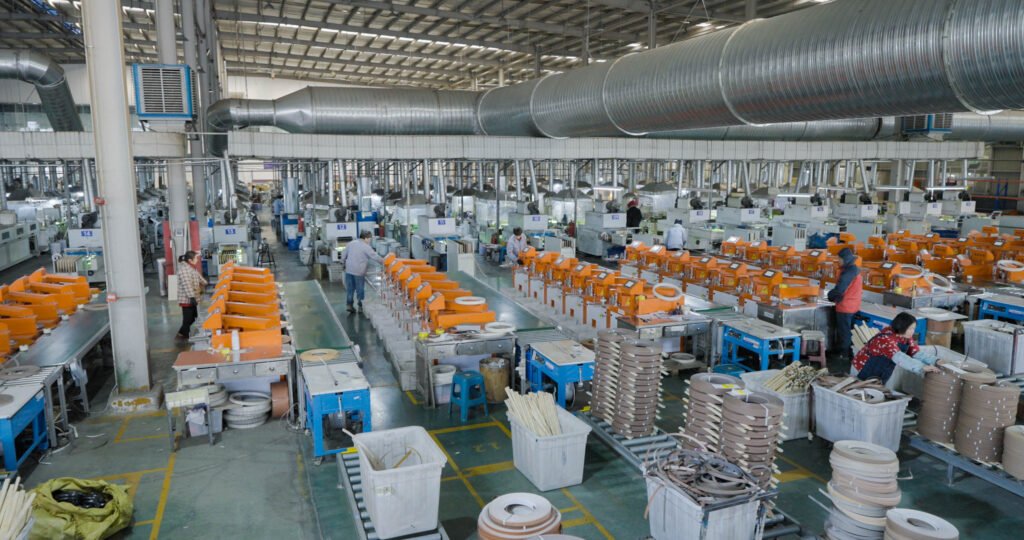
Furniture manufacturers are one of the first customer groups I analyze. These companies use edge banding in products such as wardrobes, desks, cabinets, office furniture, and bedroom furniture.
Their purchasing demand often depends on production volume and product design. A factory that produces furniture in large batches may need regular supplies of standard PVC edge banding. A factory that makes customized furniture may need more colors, thicknesses, widths, and surface finishes.
I pay attention to three things:
- Monthly production volume.
- Number of edge banding specifications used.
- Frequency of material replenishment.
I also check whether the manufacturer purchases directly from factories or through local distributors. This helps me understand its current supply chain and possible reasons for changing suppliers.
2. Cabinet and Kitchen Manufacturers
Cabinet and kitchen manufacturers are another important segment. Their products often require consistent color matching between cabinet panels and edge banding.
I find this group interesting because product appearance is closely related to customer satisfaction. A small color difference or poor edge finish can affect the final appearance of a kitchen cabinet.
I would focus on manufacturers that produce kitchen cabinets, bathroom cabinets, and custom storage systems. I would also check whether they need moisture-resistant materials, special colors, or different edge banding thicknesses.
3. Panel and Building Material Distributors
Panel distributors already have relationships with furniture factories, cabinet makers, and local workshops. They may add edge banding to their existing product range to serve these customers.
I see this segment as a potential channel partner rather than just an end user.
Their main concerns may include:
- Product availability.
- Wholesale pricing.
- Color and specification coverage.
- Inventory turnover.
- Supplier reliability.
I would pay special attention to distributors that already sell MDF, particleboard, plywood, or other furniture materials. Their existing customer base may create opportunities for cross-selling.
4. Small Woodworking Shops and Custom Furniture Businesses
Small woodworking shops usually purchase less than large factories. However, I would not ignore them.
Many small businesses handle custom cabinets, furniture repairs, home improvement projects, and one-off furniture orders. They may need smaller quantities and more flexible purchasing options.
Their individual order value may be low, but a distributor can serve many of these customers through a local warehouse or online sales channel.
Comparing the Main Customer Segments
| Customer segment | Typical purchasing pattern | Main purchasing concern | Potential opportunity |
|---|---|---|---|
| Furniture manufacturers | Regular and volume-based | Price and stable supply | Large repeat orders |
| Cabinet manufacturers | Project-based and recurring | Color matching and quality | Customized specifications |
| Panel distributors | Wholesale and stock-based | Product range and inventory | Long-term channel partnerships |
| Small woodworking shops | Small and frequent orders | Availability and flexibility | Broad customer coverage |
| Furniture repair businesses | Irregular and small orders | Special colors and quick delivery | Niche product demand |
I would not rank these segments only by their size. A large market does not always mean a profitable market. I need to compare purchasing behavior, competition, and the cost of serving each group before making a decision.
How Can Distributors Evaluate the Profit Potential of Different Customer Segments?
I have learned that sales revenue alone cannot tell me whether a customer is profitable. A customer may place large orders but ask for heavy discounts, frequent free samples, and long payment terms. These costs can reduce the actual profit.
I evaluate each customer segment by looking at the money it can generate and the resources I need to serve it.

1. Look Beyond Total Purchasing Volume
I first check how much edge banding a customer can purchase over a certain period.
For example, a furniture factory may purchase 20,000 meters every month. Another factory may purchase 8,000 meters every month. The first factory has a larger order volume, but I still need to check its pricing requirements and service costs.
I use the following basic formula:
Gross Profit = Sales Revenue – Product Cost
However, gross profit is not enough for my final decision. I also consider transportation, warehousing, sales commissions, packaging, samples, and other costs related to the customer.
2. Measure Order Frequency and Customer Retention
I prefer customers who have stable purchasing habits. Regular orders make it easier to plan inventory and production.
For example, a customer who purchases 5,000 meters every month may be more valuable than a customer who purchases 30,000 meters once a year.
I use three indicators:
- Average order frequency.
- Average order value.
- Customer retention rate.
These indicators help me understand whether a customer segment can create predictable revenue.
3. Calculate the Cost of Serving Each Segment
Different customers require different levels of support.
A large furniture manufacturer may need technical testing, custom color matching, product inspections, and direct delivery. A small woodworking shop may only need standard products and quick local shipping.
I calculate the cost of serving each segment instead of treating every order in the same way.
| Evaluation factor | What I measure | Why it matters |
|---|---|---|
| Purchasing volume | Meters purchased per order | Shows sales potential |
| Gross margin | Selling price minus product cost | Shows basic product profitability |
| Order frequency | Orders per month or year | Shows demand stability |
| Delivery cost | Transportation and handling | Shows distribution expenses |
| Payment terms | Days before payment | Shows cash flow pressure |
| Retention rate | Percentage of returning customers | Shows long-term value |
| Service cost | Samples, customization, and support | Shows the resources required |
4. Use Customer Lifetime Value
I also consider how much revenue a customer may generate throughout the relationship.
A simple customer lifetime value estimate is:
Customer Lifetime Value = Average Gross Profit per Order x Orders per Year x Expected Customer Lifetime
This is a simplified model. I would use gross profit rather than total sales revenue because revenue does not show the actual value of the relationship. I would also adjust the result for customer acquisition and service costs when comparing different segments.
For example, a distributor may have two potential customers:
| Item | Customer A | Customer B |
|---|---|---|
| Average monthly sales | $10,000 | $6,000 |
| Gross margin | 12% | 22% |
| Monthly gross profit | $1,200 | $1,320 |
| Annual gross profit | $14,400 | $15,840 |
Customer A generates more revenue, but Customer B generates more gross profit. This is why I never use sales volume as my only selection standard.
I would also check whether the customer has a stable business model and a reasonable payment history. A profitable order is not valuable if the customer cannot pay on time.
What Purchasing Needs and Challenges Make a Customer Segment More Valuable?
I do not choose a customer segment only because it has a large number of potential buyers. I also need to understand what these customers care about when they purchase edge banding.
In my experience, customers with clear product requirements and regular supply needs can create better business opportunities. Their purchasing decisions are not always based on the lowest price. Product quality, color consistency, delivery time, and supplier support can also influence their choices.

1. Identify the Main Purchasing Problems
I start by asking what problems customers face with their current suppliers.
For furniture manufacturers, common problems may include inconsistent product quality, color differences between batches, poor adhesion, and unstable delivery times.
For panel distributors, the main problems may be different. They may need more product specifications, better stock availability, competitive wholesale prices, and suppliers who can support repeat orders.
I use these problems to understand whether my products and services can offer real value.
2. Understand Price Sensitivity
Not every customer makes purchasing decisions in the same way.
Some customers focus on the lowest purchase price. Others are willing to pay more for stable quality and reliable delivery.
I usually divide customers into three groups:
| Customer type | Main purchasing priority | Possible sales strategy |
|---|---|---|
| Price-sensitive buyers | Low purchasing cost | Competitive standard products |
| Quality-focused buyers | Consistent quality and specifications | Product testing and quality support |
| Service-focused buyers | Fast delivery and flexible supply | Local inventory and quick response |
I do not try to sell premium products to every customer. I first check whether the customer’s business model supports a higher price.
3. Check the Need for Customized Products
Color matching is an important factor in edge banding purchasing.
Furniture manufacturers often need edge banding that matches specific board colors, textures, and surface finishes. If their suppliers cannot provide the right match, they may face production delays or product appearance problems.
I pay attention to customers who regularly need:
- Custom colors and patterns.
- Different thicknesses and widths.
- Matte, glossy, or textured surfaces.
- Special material requirements.
- Stable specifications for repeat production.
These requirements may create opportunities for distributors to offer more than standard products.
However, customization also creates additional costs. I need to check minimum order quantities, sample costs, production lead times, and the risk of holding slow-moving inventory.
4. Evaluate Supplier Switching Opportunities
A customer who already has a supplier is not necessarily a closed opportunity.
I try to understand why the customer may consider changing suppliers. The reason could be unstable quality, slow delivery, limited product choices, poor communication, or rising purchasing costs.
I would not assume that every customer wants a new supplier. I need to find a real problem before making an offer.
For example, if a cabinet manufacturer frequently experiences color differences between batches, I can focus on color consistency and batch control instead of simply offering a lower price.
This approach helps me connect my product advantages with the customer’s actual business problems.
I also consider the customer’s switching costs. A manufacturer may need to test new materials, adjust production settings, and obtain approval before changing suppliers. A distributor needs to provide samples, technical information, and consistent follow-up to make this process easier.
How Can Distributors Validate Local Market Demand Before Targeting a Customer Segment?
I do not think market research should stop at finding companies on Google Maps or collecting business contact details. A company may manufacture furniture, but that does not mean it purchases edge banding regularly or has any interest in changing suppliers.
I need to confirm that a potential customer has real purchasing demand before I spend too much time developing the relationship.

1. Use Local Industry Data to Estimate Market Size
I first use public business data to understand the local manufacturing base.
For distributors operating in the United States, I recommend the U.S. Census Bureau’s County Business Patterns database. It provides information about business establishments, employment, and payroll by industry and geographic area. The data can be filtered by state, county, metropolitan area, and ZIP code.
I can use NAICS industry codes to identify relevant businesses. For example:
- NAICS 337110: Wood Kitchen Cabinet and Countertop Manufacturing.
- NAICS 337121: Upholstered Household Furniture Manufacturing.
- NAICS 337122: Nonupholstered Wood Household Furniture Manufacturing.
- NAICS 321918: Other Millwork, including some businesses involved in wood product manufacturing.
I need to check the exact industry definitions before using these categories. Not every business under these codes purchases edge banding.
The Census data helps me estimate the number of potential businesses and their employment sizes. However, it does not directly tell me how much edge banding each business purchases.
2. Study Local Competitors
I also check which distributors and suppliers already serve the target market.
I look at their product ranges, pricing, delivery services, warehouse locations, and customer reviews.
I want to answer several questions:
- Which edge banding specifications are commonly available?
- Are local suppliers strong in standard PVC products?
- Do customers have problems finding special colors?
- Can competitors provide small orders quickly?
- Are there gaps in local inventory or delivery services?
I do not enter a market simply because it has many potential customers. I want to find a market where customers have a reason to consider another supplier.
3. Talk Directly to Potential Customers
Public data gives me an overview, but direct communication helps me understand actual purchasing behavior.
I would contact furniture manufacturers, cabinet makers, and panel distributors to ask simple questions:
- Which edge banding materials and specifications do you purchase most often?
- How frequently do you place orders?
- What problems do you have with your current suppliers?
- Do you purchase standard colors or customized products?
- What is the most important factor when choosing a supplier?
I do not need to turn every conversation into a sales pitch. My first goal is to collect useful information.
4. Test Demand with Samples and Small Orders
I prefer to test demand before investing heavily in inventory.
For example, if several cabinet manufacturers ask for the same woodgrain colors, I can prepare samples and ask them to evaluate the products.
I then track their feedback, sample approval rate, quotation requests, and actual purchase orders.
| Validation method | Information collected | Business decision |
|---|---|---|
| Public industry data | Number and size of local businesses | Estimate market potential |
| Competitor research | Product gaps and pricing | Find market opportunities |
| Customer interviews | Purchasing habits and problems | Understand real demand |
| Sample testing | Product acceptance | Check product suitability |
| Trial orders | Actual purchasing behavior | Confirm commercial potential |
The U.S. Small Business Administration also recommends combining market research with competitive analysis. Its guidance highlights demand, market size, location, market saturation, and pricing as important factors when evaluating a market. It also recommends direct research methods such as surveys and interviews.
I would use these methods together instead of relying on one source of information. A large number of local furniture manufacturers does not automatically mean strong demand for my products. Actual customer conversations and trial orders provide a much better basis for deciding where to invest.
How Should Distributors Prioritize and Develop Their Most Profitable Customer Segments?
After collecting market information, I need to decide which customer segments deserve the most attention. I do not recommend developing every segment at the same time. Different customers require different products, pricing strategies, inventory plans, and sales resources.
I prefer to rank customer segments based on their expected profitability and the difficulty of serving them.
1. Build a Customer Segment Scoring System
I use a simple scoring system to compare potential customer groups.
The factors I consider include market demand, purchasing frequency, gross margin, competition, payment reliability, and service costs.
For example:
| Evaluation factor | Weight | What I evaluate |
|---|---|---|
| Purchasing potential | 25% | Expected purchasing volume |
| Gross profit potential | 25% | Expected profit per order |
| Repeat purchase potential | 20% | Likelihood of regular orders |
| Market competition | 10% | Number and strength of competitors |
| Payment reliability | 10% | Payment terms and credit risk |
| Service cost | 10% | Delivery, samples, and support costs |
I can score each factor from 1 to 5. A higher score means a more attractive opportunity. For competition and service costs, I give higher scores to segments with less competitive pressure and lower service costs.
This scoring model is a practical starting point, not an industry standard. I adjust the weights based on my business model and local market conditions.
2. Create Different Sales Strategies for Different Customers
I do not use the same sales message for every customer segment.
For large furniture manufacturers, I focus on production stability, bulk pricing, consistent quality, and long-term supply.
For cabinet manufacturers, I focus on color matching, product specifications, and the ability to provide samples.
For panel distributors, I focus on wholesale pricing, product variety, inventory turnover, and supply reliability.
For small woodworking shops, I focus on convenient ordering, standard product availability, and fast local delivery.
This helps me avoid sending the same general sales message to customers with very different needs.
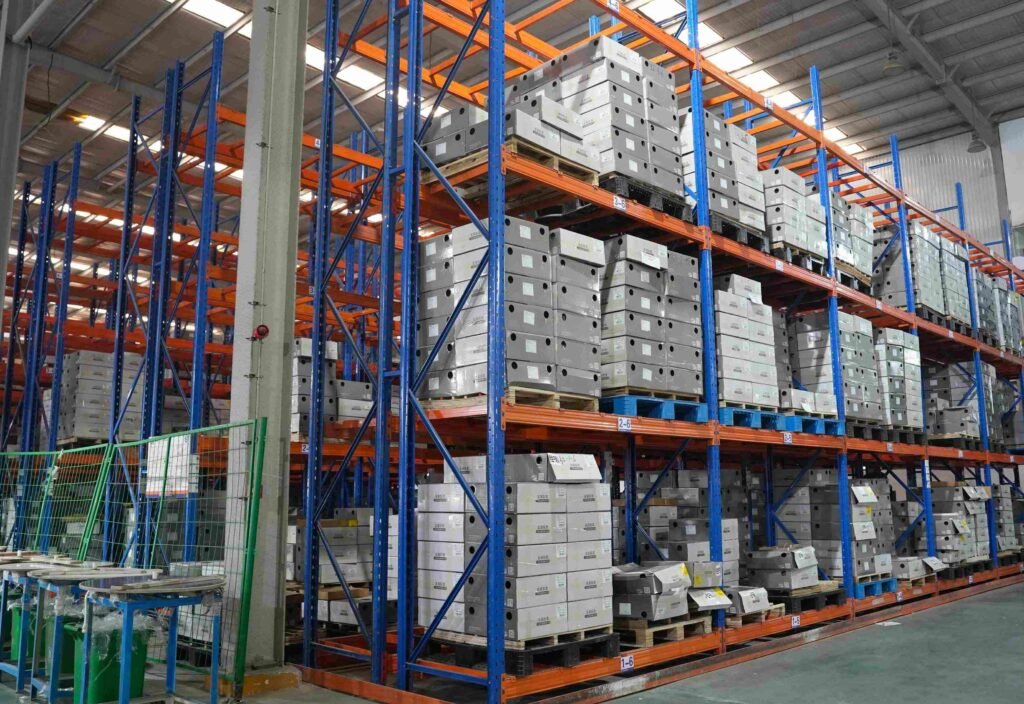
3. Match Product Inventory with Customer Demand
I also connect customer segmentation with inventory planning.
If my target customers mainly manufacture standard furniture, I should keep their most frequently purchased colors and specifications available.
If my target customers mainly produce customized cabinets, I may need a broader sample range and a reliable custom-order process.
I do not want to fill my warehouse with products that have no confirmed demand.
I would divide inventory into three groups:
- Core products: Standard colors and specifications with stable demand.
- Growth products: Special colors and specifications requested by target customers.
- Test products: New products that need further market validation.
This approach helps me control inventory costs while still responding to new opportunities.
4. Develop Relationships Instead of Chasing Single Orders
I believe the best customer development strategy should focus on repeat business.
After the first order, I follow up on product quality, delivery performance, and customer feedback. I also record purchasing preferences and expected reorder dates.
For customers with stable demand, I can discuss regular purchasing plans, stock arrangements, and long-term supply agreements.
For distributors, I can also explore opportunities to expand their product range. For example, a customer who initially purchases standard PVC edge banding may later need additional colors, thicknesses, ABS products, or related furniture materials.
However, I do not push additional products without understanding the customer’s actual needs.
5. Review Customer Profitability Regularly
Customer profitability can change over time. A segment that was attractive last year may become less profitable because of stronger competition, higher delivery costs, or lower purchasing demand.
I review several indicators every quarter:
| KPI | What it tells me |
|---|---|
| Monthly sales revenue | Sales growth |
| Gross profit margin | Profitability of products sold |
| Average order value | Purchasing value per order |
| Repeat purchase rate | Customer loyalty |
| Customer acquisition cost | Cost of gaining new customers |
| On-time delivery rate | Supply performance |
| Overdue payment rate | Credit and cash flow risk |
I use these results to adjust my customer priorities.
If a segment has strong sales but weak margins, I may need to review pricing or delivery costs. If another segment has smaller orders but high repeat purchase rates, I may invest more in local inventory and customer service.
My goal is not to find the customer segment with the highest sales figure. I want to build a customer base that creates stable profits and supports long-term business growth.
Conclusion
I identify profitable customer segments by combining local market data, purchasing behavior, profit analysis, and real customer feedback.

Edge Banding Product Range
PVC, ABS, MABS, PP, acrylic, wood veneer, custom match and adhesives — specs and MOQs in one place.
Explore the range
Data Sources and References
The following sources provide reliable data and research guidance for distributors who want to analyze local markets, especially in the United States.
- U.S. Census Bureau – County Business Patterns (CBP)
Provides business establishment counts, employment, and payroll data by industry and geographic area. Useful for estimating the number and size of potential customers.
https://www.census.gov/programs-surveys/cbp.html - U.S. Census Bureau – 2023 County Business Patterns Dataset
Provides downloadable datasets for analyzing local businesses by county, metropolitan area, and ZIP code.
https://www.census.gov/data/datasets/2023/econ/cbp/2023-cbp.html - U.S. Small Business Administration (SBA) – Market Research and Competitive Analysis
Explains how to evaluate market demand, market size, competition, pricing, and customer needs.
https://www.sba.gov/business-guide/plan-your-business/market-research-competitive-analysis - U.S. Census Bureau – Statistics of U.S. Businesses (SUSB)
Provides business statistics by industry, geographic area, and enterprise size. Useful for understanding the structure of local business markets.
https://www.census.gov/programs-surveys/susb.html
If you need a supplier that supports distributor growth with consistent quality and documented specifications, Chaotai Edge Banding supplies PVC, ABS, MABS and acrylic edge banding with accurate color matching, batch-level test reports and factory-direct support for distributors and furniture manufacturers worldwide.