
A small specification change may seem harmless, but it can create unexpected production problems. One late adjustment can affect product quality, production schedules, material costs, and delivery dates.
When buyers change edge banding specifications during mass production, manufacturers may need to adjust machine settings, replace raw materials, change production plans, and inspect finished products again. The actual impact depends on the type of change, the production stage, and the manufacturer’s ability to control the process.
I have seen how small changes can become difficult problems when buyers and manufacturers do not communicate clearly. A change from 0.8 mm to 1.0 mm may look simple on an order sheet. However, the factory may need to adjust production parameters and check the finished product again. A color change can also affect the production sequence and create material waste. I believe buyers should understand what happens behind the production line before requesting any changes. This helps both sides avoid unnecessary costs and delivery problems.
Why Do Edge Banding Specifications Change During Mass Production?
Specification changes usually happen because the original order information does not fully match the buyer’s final requirements. Buyers may discover a problem during production, receive new requirements from their customers, or find that the approved sample does not match the actual furniture panel.
I believe most specification changes come from three areas: incomplete communication, changes in customer demand, and problems discovered during production.
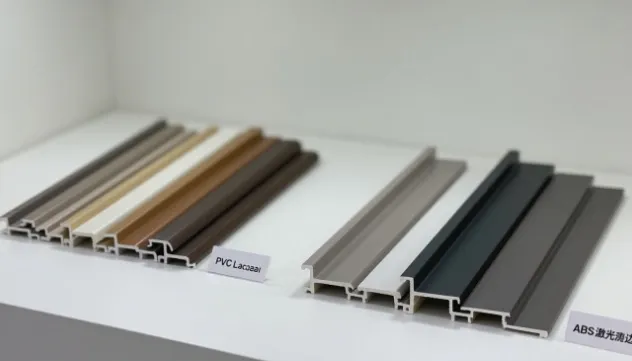
Changes in Customer Requirements
In my experience, buyers sometimes receive new instructions from their downstream customers after mass production has already started.
For example, a furniture manufacturer may initially order 22 mm PVC edge banding with a thickness of 0.8 mm. After testing the material against its panels, the customer may request a different width or thickness.
The distributor then needs to pass this new requirement to the edge banding manufacturer.
This situation is common when buyers serve multiple furniture factories. Different customers may have different panel sizes, machine settings, and appearance requirements.
Problems Found During Sample Approval
Another reason is that the buyer discovers a difference between the approved sample and the actual production requirement.
I would pay special attention to color, surface texture, thickness, and material type.
A sample may look correct when viewed separately, but it may not match the customer’s decorative panel under actual lighting conditions. The buyer may then request a color adjustment after the manufacturer has already started production.
Changes Caused by Incomplete Order Information
Some changes happen because the buyer and manufacturer did not confirm all specifications before production.
For example, an order may clearly state the color and width but fail to confirm the required surface finish or back coating.
The manufacturer may follow its normal production settings, while the buyer expects a different result.
I would use the following table to identify common changes and their possible reasons:
| Specification | Common change | Possible reason |
|---|---|---|
| Thickness | 0.8 mm to 1.0 mm | Different furniture panel requirements |
| Width | 22 mm to 23 mm | Panel size or trimming requirements |
| Color | One color to another | Color matching problems |
| Material | PVC to ABS | Different product or application requirements |
| Surface finish | Matte to high gloss | Appearance requirements |
| Texture | Smooth to embossed | Different decorative panel designs |
| Back coating | Change in primer requirements | Different processing or bonding needs |
I do not think every specification change is a mistake. Customer requirements can change for valid reasons. However, buyers should understand that a change made after production starts is different from a change made before production begins. The later the change happens, the more production work may need to be reviewed or repeated.
How Can Specification Changes Disrupt an Ongoing Production Process?
When a production line is already running, the manufacturer has usually arranged raw materials, machine settings, production workers, and order schedules. A specification change can affect several of these arrangements at the same time.
I believe buyers often underestimate the time needed to make production adjustments. A small change on paper may require several practical steps inside the factory.

Machine Settings May Need to Be Adjusted
Different edge banding specifications may require different production conditions.
For example, a change in thickness or width may require adjustments to the extrusion process, die settings, cooling conditions, cutting equipment, or winding equipment. The exact adjustments depend on the machine design and the manufacturer’s production process.
If the manufacturer changes from one material to another, the processing conditions may also need to be reviewed.
PVC and ABS are different materials. They do not necessarily use identical processing temperatures or production settings. I would not expect a manufacturer to switch between them without checking the relevant process requirements.
Material and Color Changeovers Can Create Production Waste
Color changes are another important issue.
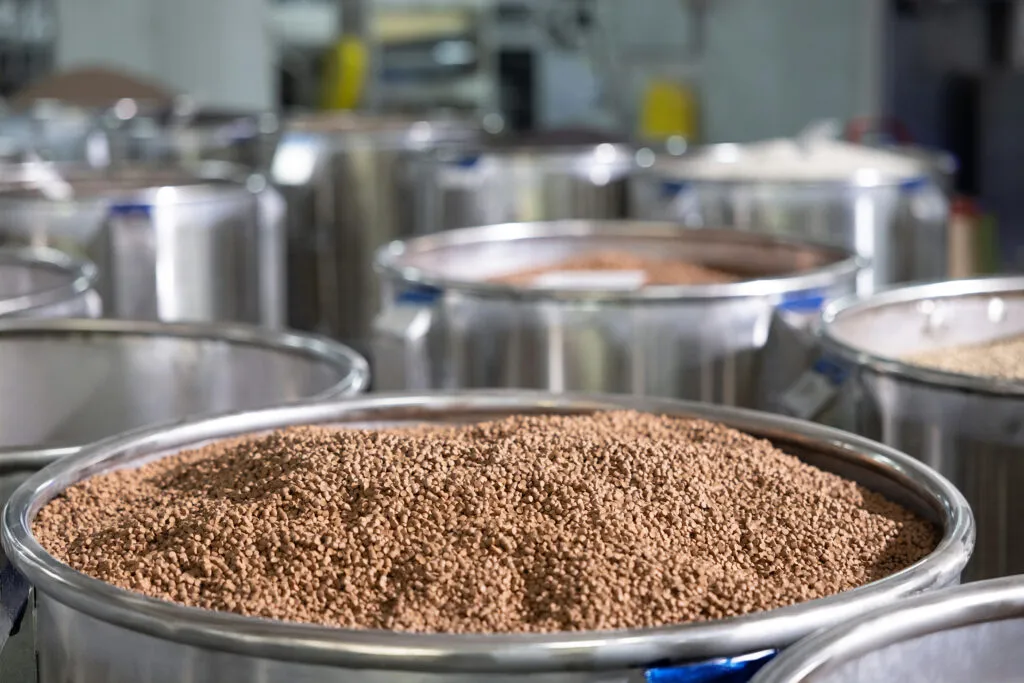
When a factory changes from one color to another, some residual material from the previous production run may remain in the processing system. The manufacturer may need to clean or purge the equipment before producing the new color.
The Society of Plastics Engineers (SPE) has published technical guidance on product and color changeovers in extrusion. Technical guidance from extrusion equipment and material suppliers also explains that purging and cleaning are important when changing materials or colors.
This means that a color change is not always as simple as replacing one bag of raw material with another.
The manufacturer may need to:
- Stop or adjust the current production process.
- Remove or clean remaining materials.
- Prepare the new raw materials and color formula.
- Adjust machine settings.
- Produce trial material.
- Inspect the new product before continuing mass production.
The amount of time and material required depends on the equipment, material, color difference, and cleaning method.
Production Scheduling May Need to Change
I would also consider the effect on other customer orders.
A factory usually arranges its production schedule based on product specifications, machine availability, and delivery deadlines. If one order needs to be changed, the manufacturer may have to move other orders or rearrange production sequences.
| Production activity | Possible impact of a specification change |
|---|---|
| Raw material preparation | New material or color may need to be prepared |
| Machine setup | Production parameters may need adjustment |
| Production sequence | Existing schedules may need to change |
| Trial production | Additional testing may be required |
| Quality inspection | New acceptance requirements may need to be checked |
| Packaging | Labels, roll lengths, or packaging details may need revision |
I believe the most important point is that production capacity is shared across different orders. When buyers request a change, they are not only changing their own product. They may also affect the manufacturer’s production arrangements.
What Quality Problems Can Occur When Edge Banding Specifications Are Changed?
I believe quality control becomes more important after a specification change. The original production settings were arranged for the original requirements. Once those requirements change, the manufacturer must check whether the existing process can still produce an acceptable product.
A factory should not assume that the original quality inspection results remain valid after a major specification change.
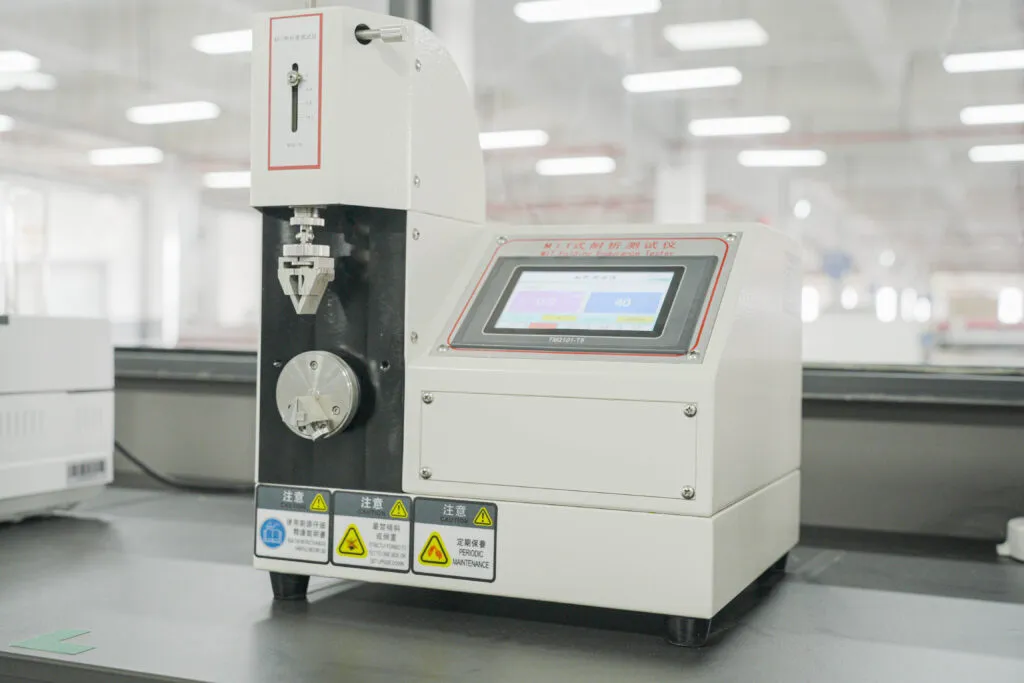
Thickness and Width May Become Inconsistent
When buyers change thickness or width, the manufacturer may need to adjust the production equipment.
If the new settings are not controlled properly, the first products after the adjustment may have dimensional differences.
For example, a buyer may change the required thickness from 0.8 mm to 1.0 mm. The manufacturer needs to confirm that the new product meets the agreed thickness tolerance across the production batch.
I would also check whether the cutting and winding processes can handle the new dimensions consistently.
A product that meets the specification at the beginning of production may still show differences later if the process is not monitored.
Color and Surface Appearance May Change
Color consistency is another risk, especially when buyers request a new color during an ongoing production run.
The manufacturer may need to adjust the color formula or replace the existing material. The first products after the change may require additional inspection to confirm that the color matches the approved reference.
Surface appearance also matters. A change from matte to high gloss or from a smooth surface to an embossed texture may require different production conditions or equipment adjustments.
I would compare the new production samples with the revised approved sample. I would not use the original sample as the only acceptance reference if the buyer has approved a different specification.
Adhesion and Processing Performance May Need New Tests
Changes in material or back coating can affect how edge banding performs during furniture manufacturing.
For example, changing from PVC to ABS may require the buyer and manufacturer to review the processing conditions. A change in primer or back coating may also affect the bonding process.
I would recommend checking the following items after a relevant specification change:
| Quality item | What should be checked |
|---|---|
| Thickness | Actual measurement and tolerance |
| Width | Finished width and dimensional consistency |
| Color | Match with the revised approved sample |
| Surface finish | Gloss, texture, and visible defects |
| Adhesion | Bonding performance under agreed conditions |
| Flexibility | Whether the product meets the intended application requirements |
| Packaging | Whether the revised product information is correct |
ISO 9001 provides a useful principle here. Clause 8.5.6 requires organizations to review and control production changes to maintain product conformity. It also requires documented information about the change review, authorization, and necessary actions.
I believe this principle is important for edge banding production. A manufacturer should identify what has changed, check which quality requirements may be affected, and record the results of the new inspection.
How Do Specification Changes Affect Order Costs and Delivery Times?
When buyers request specification changes during mass production, the impact is not limited to machine adjustments. These changes can also create additional costs and affect the original delivery plan.
I believe buyers should understand the financial impact before confirming a change. Otherwise, they may approve a small adjustment without realizing that the factory needs to repeat part of the production process.
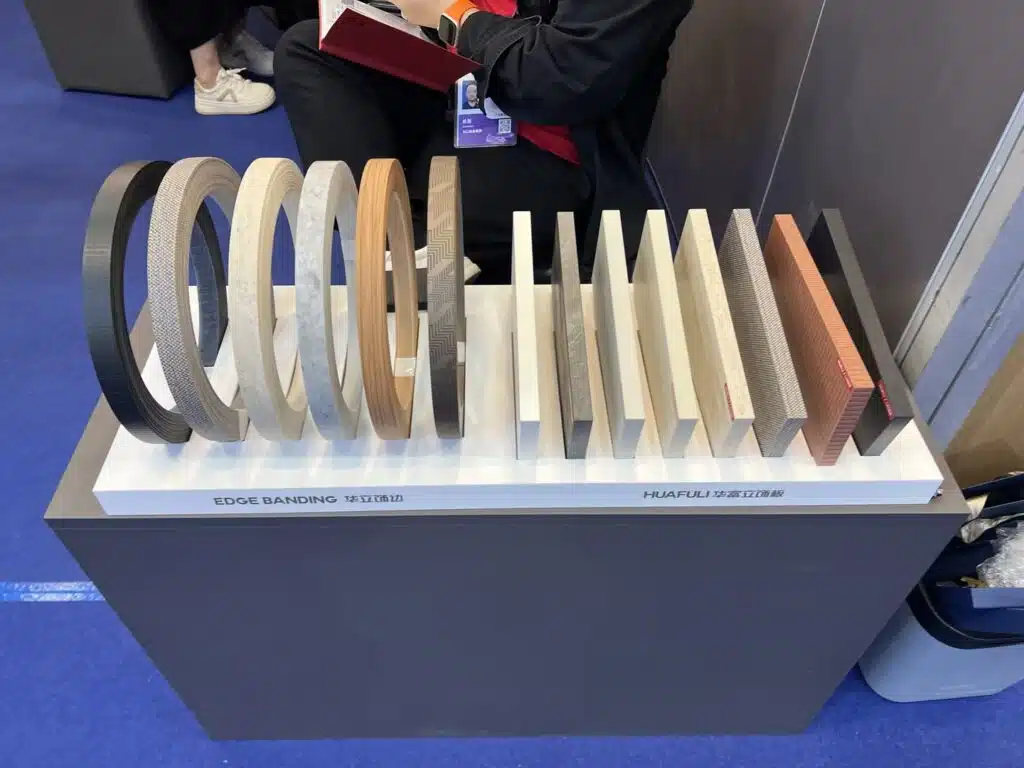
Additional Material Costs and Production Losses
The first possible cost is material waste.
For example, if the manufacturer has already produced part of an order in the original color, a later color change may make some finished products unusable for the revised order.
The factory may also need to use additional raw materials during cleaning, purging, and trial production.
The exact amount depends on the equipment and the production process. I would not assume that every color or material change creates the same level of waste.
Additional Machine Setup and Labor Costs
A specification change may require production workers and technicians to spend extra time adjusting equipment.
Some changes may only require a small adjustment. Other changes may involve cleaning, new material preparation, machine setup, and additional quality inspection.
These activities use production time that was not included in the original plan.
I would ask the manufacturer to explain which additional steps are necessary and whether they will create extra charges.
Delivery Time May Be Extended
The delivery date may also change because the factory needs to complete the revised production work.
For example, a manufacturer may have planned to finish an order on Friday. If the buyer requests a new color on Wednesday, the factory may need to stop the current run, prepare the new material, produce trial samples, and inspect the revised product.
The original delivery date may no longer be realistic.
I would evaluate the possible effects using this table:
| Change type | Possible additional cost | Possible delivery impact |
|---|---|---|
| Minor width adjustment | Machine adjustment and inspection | Short delay or no delay |
| Thickness change | Setup, trial production, possible material loss | Depends on equipment and production stage |
| Color change | Purging, new color material, trial products | May require additional production time |
| Material change | New raw materials and process adjustment | May require a longer adjustment period |
| Surface texture change | Equipment or embossing setup | Depends on production equipment |
| Packaging change | New labels, bags, or cartons | May delay final packing |
How Should Buyers Evaluate the True Cost of a Change?
I would not judge a specification change only by its direct material cost.
A more complete cost review should include:
Total Change Cost = Material Waste + Additional Setup Cost + Extra Labor + Reinspection Cost + Packaging Changes + Other Agreed Charges
This is a practical calculation framework, not a fixed industry pricing formula. Each manufacturer may calculate additional costs differently.
I would also ask whether the manufacturer can use the original materials or finished products for another order. If the original products can be sold to another customer, the financial loss may be lower.
In my opinion, buyers should confirm three things before approving a change: the additional cost, the revised delivery date, and the quantity of products that can still be used. This makes the decision clearer for both sides.
How Can Buyers and Manufacturers Manage Specification Changes During Production?
I do not believe the best way to prevent specification changes is to refuse every request from buyers. Business requirements can change, and manufacturers need to remain flexible.
However, flexibility should not mean that production changes happen without review or written approval. I believe buyers and manufacturers need a clear change management process before modifying an order that is already in production.

Confirm All Specifications Before Mass Production
The first step is to establish a complete specification sheet before production begins.
I would include the following information:
- Material type, such as PVC, ABS, or other agreed materials.
- Product thickness and width.
- Color code or approved color sample.
- Surface finish and texture.
- Back coating or primer requirements.
- Roll length and packaging method.
- Quality inspection standards.
- Required quantity and delivery date.
Both sides should confirm this information in writing.
I would also keep an approved physical sample when color or surface appearance is important. This gives the manufacturer and buyer a clear reference during production and later reorders.
Use a Written Change Approval Process
When a buyer requests a change, I would not ask the factory to modify production immediately.
Instead, both sides should review the request first.
I recommend using the following process:
- Submit the change request: The buyer explains which specification needs to change and why.
- Review the production impact: The manufacturer checks machine settings, materials, current production status, and possible quality risks.
- Calculate additional costs: Both sides confirm material loss, setup costs, labor, and other charges.
- Confirm the new delivery date: The manufacturer provides a revised production and shipping schedule.
- Approve the revised specification: Both sides confirm the new requirements in writing.
- Produce and inspect the revised product: The manufacturer checks the first products made under the new settings.
- Update production records: The factory records the approved change and keeps the related inspection results.
This process follows the basic change control principle in ISO 9001:2015 Clause 8.5.6. The standard emphasizes reviewing production changes, identifying who authorized them, and keeping records of the necessary actions.
Separate Original Products from Revised Products
This is another point that I think buyers should pay attention to.
If part of an order has already been completed before the change, the manufacturer should clearly identify the original batch and the revised batch.
For example, a buyer orders 10,000 meters of PVC edge banding. The manufacturer has already produced 4,000 meters when the buyer requests a color adjustment.
The factory should not mix the original 4,000 meters with the remaining revised production without clear approval.
I would ask the manufacturer to record:
| Record | Purpose |
|---|---|
| Original specification | Shows the initial order requirements |
| Revised specification | Shows the new approved requirements |
| Change approval date | Identifies when the change was authorized |
| Production quantity before change | Separates the original batch |
| Production quantity after change | Tracks the revised batch |
| Inspection results | Confirms whether the revised products meet requirements |
| Revised delivery schedule | Shows the new completion plan |
Check the First Products After the Change
I would not recommend allowing the entire remaining order to continue immediately after a major specification change.
The manufacturer should first produce a small trial quantity and inspect it against the revised requirements. The buyer can also request new samples when the change affects color, material, surface finish, or product performance.
The inspection should focus on the properties affected by the change. For example, a thickness change requires dimensional checks, while a color change requires comparison with the revised color reference.
The FDA’s general process validation guidance is written for pharmaceutical manufacturing, not edge banding production. However, it provides a useful general manufacturing principle: manufacturers should understand how changes in materials, equipment, and production procedures can affect product quality. It also emphasizes ongoing process monitoring after changes.
I would apply this principle in a practical way. Buyers and manufacturers should not assume that a previously approved process will automatically produce the same results after an important specification change.
For me, the most reliable approach is simple: confirm the change, evaluate its impact, approve it in writing, inspect the revised production, and keep clear records. This protects both the buyer and the manufacturer when unexpected requirements appear during mass production.

Lock the Spec Before You Run
Send thickness, width, colour code and back coating — we confirm a physical sample and freeze the specification before mass production starts.
Explore Custom Match
Conclusion
I believe every specification change during mass production should be reviewed, approved, and inspected to protect product quality, control costs, and avoid delivery delays.