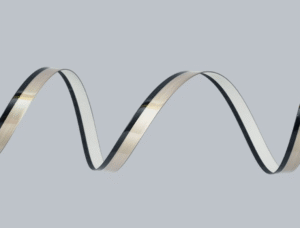
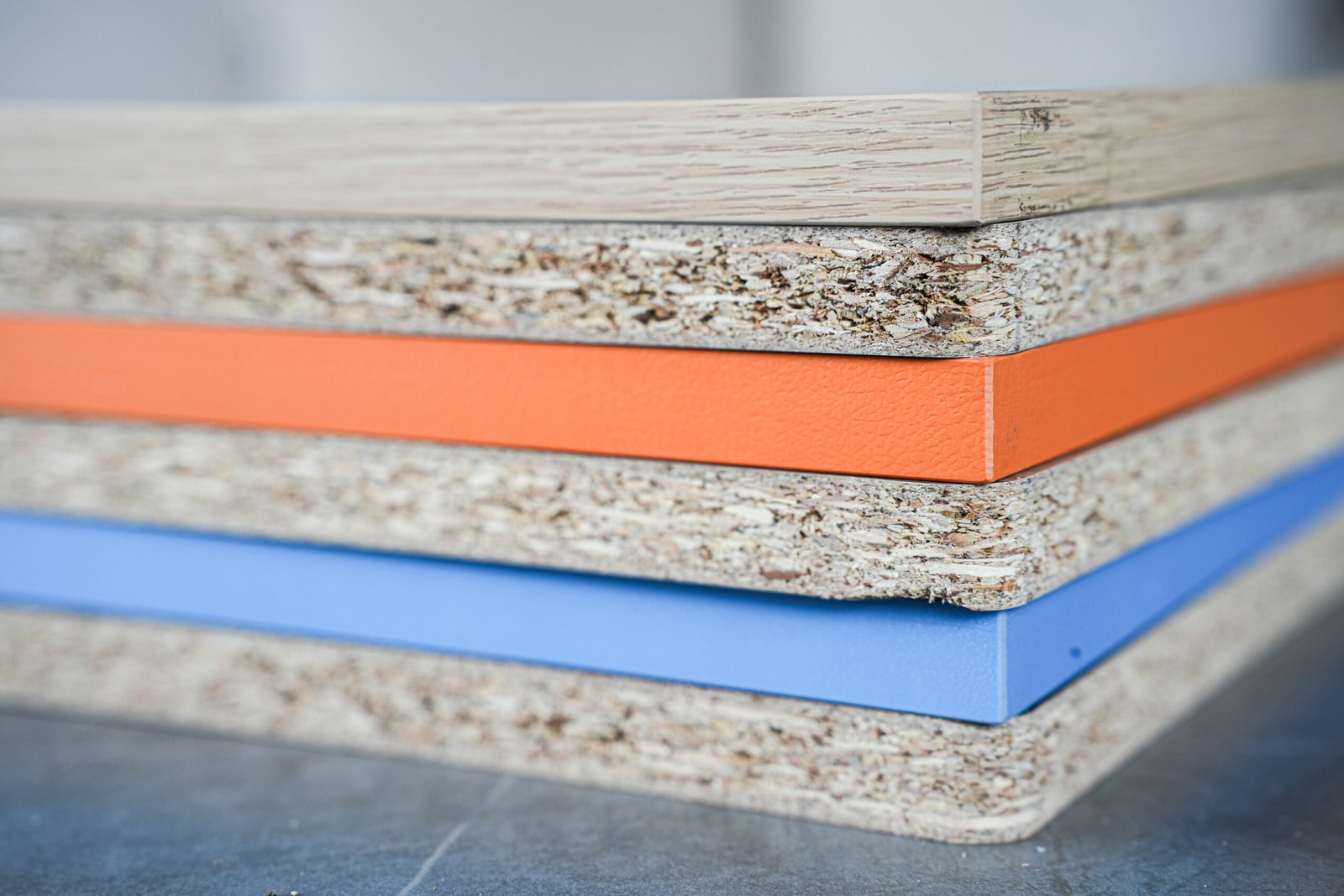
A small sample looks perfect, but the mass-production order shows color, bonding, or trimming problems. I often see this gap worry buyers before a large order.
Edge banding quality can change between small-batch and mass production because production speed, machine settings, raw materials, equipment conditions, and process control become harder to keep stable at larger volumes.
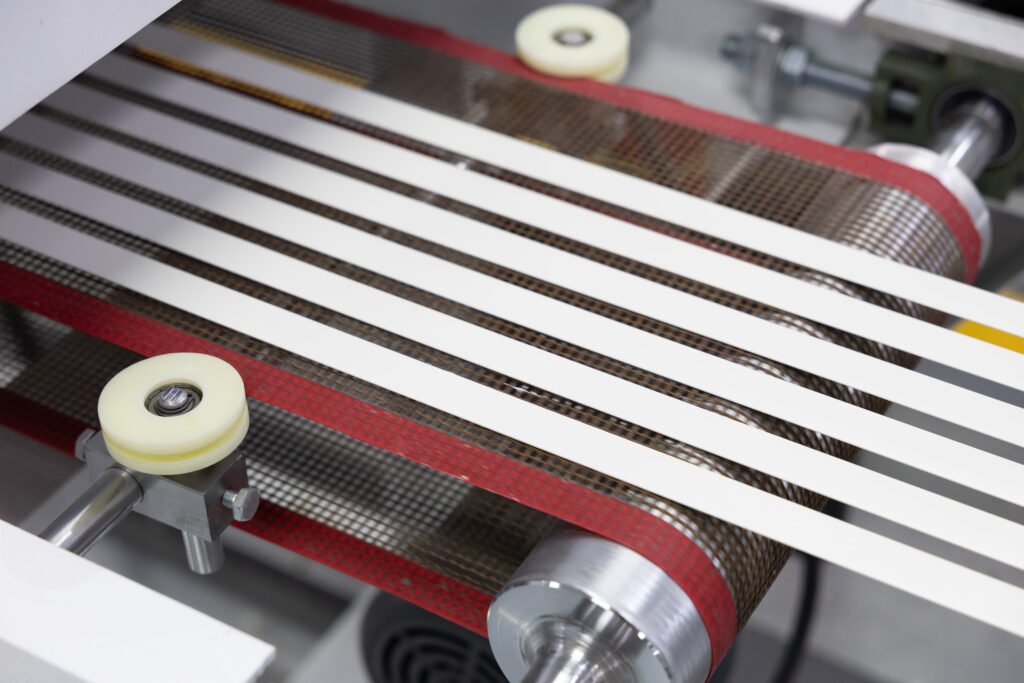
When I evaluate an edge banding supplier, I do not only ask whether the sample looks good. I also want to know whether the supplier can keep the same result after thousands or hundreds of thousands of meters are produced.
A sample only shows me a small part of the production process. Mass production tests the whole system.
The machine may run for much longer. Raw materials may come from different batches. Operators may work different shifts. Production speed may change. Cutting tools may wear. Temperature may move away from the starting condition.
That is why I think the real question is not “Can this factory make a good sample?”
The better question is “Can this factory make the same quality repeatedly?”
What Causes Edge Banding Quality to Change Between Small-Batch and Mass Production?
I see quality differences between small-batch and mass production as a process-control problem rather than a simple material problem. More production creates more opportunities for small variations to appear.
Edge banding quality can change because small-batch production usually has fewer variables, while mass production exposes differences in materials, machine conditions, temperature, speed, tooling, and operator settings.
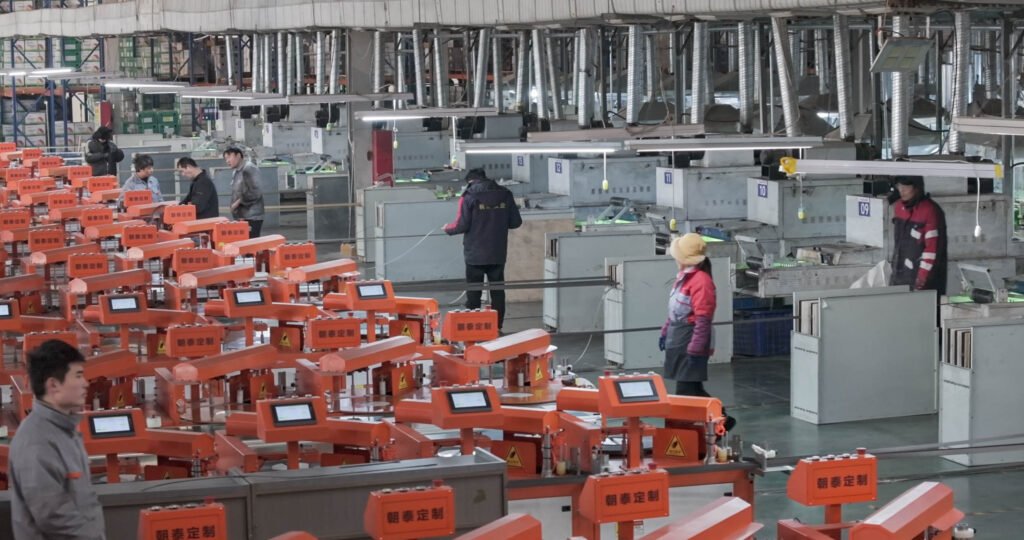
When I receive a small sample, I usually see one product code, one machine setting, one material batch, and a short production period. That makes the process easier to control.
Mass production is different.
A small sample does not test the whole production system
I think this is the first point that buyers need to understand.
A 100-meter sample and a 100,000-meter order are not the same production challenge.
The supplier may make the sample under carefully controlled conditions. The machine may be clean. The tools may be new. The operator may spend extra time checking the result.
During mass production, the factory needs to maintain the same conditions for much longer.
REHAU describes edgeband quality as something that requires reproducibility in manufacturing and notes the importance of transferring processing parameters and technology data for the joining process.
More production means more variables
I normally divide the variables into five groups.
| Variable | Small batch | Mass production |
|---|---|---|
| Raw material | Few batches | More material batches |
| Machine | Short operation | Long continuous operation |
| Speed | Easier to control | Production pressure may change settings |
| Tools | Often fresh | Wear can increase |
| Inspection | Easy to check frequently | Needs a formal control system |
None of these differences automatically means that mass production will have lower quality.
The problem appears when the factory does not control these variables.
Production consistency is different from sample quality
I always separate these two ideas.
Sample quality asks:
Can the factory make a good product?
Production consistency asks:
Can the factory keep making the same product under normal production conditions?
The second question is much more important for a B2B buyer.
A furniture manufacturer does not buy one perfect sample. The manufacturer buys material for many production orders.
If the first shipment looks good but later shipments have different thickness, color, gloss, bonding, or trimming performance, the sample has not told the whole story.
This is why I prefer to look at production records, inspection procedures, tolerances, and batch traceability when I evaluate a supplier.
How Do Production Speed and Machine Settings Affect Edge Banding Quality?
I do not treat machine speed as only a productivity number. Speed changes the time available for heating, adhesive application, pressing, trimming, and other processes.
Production speed and machine settings affect edge banding quality because changes in feed speed, temperature, pressure, adhesive amount, and finishing settings can change the processing result.
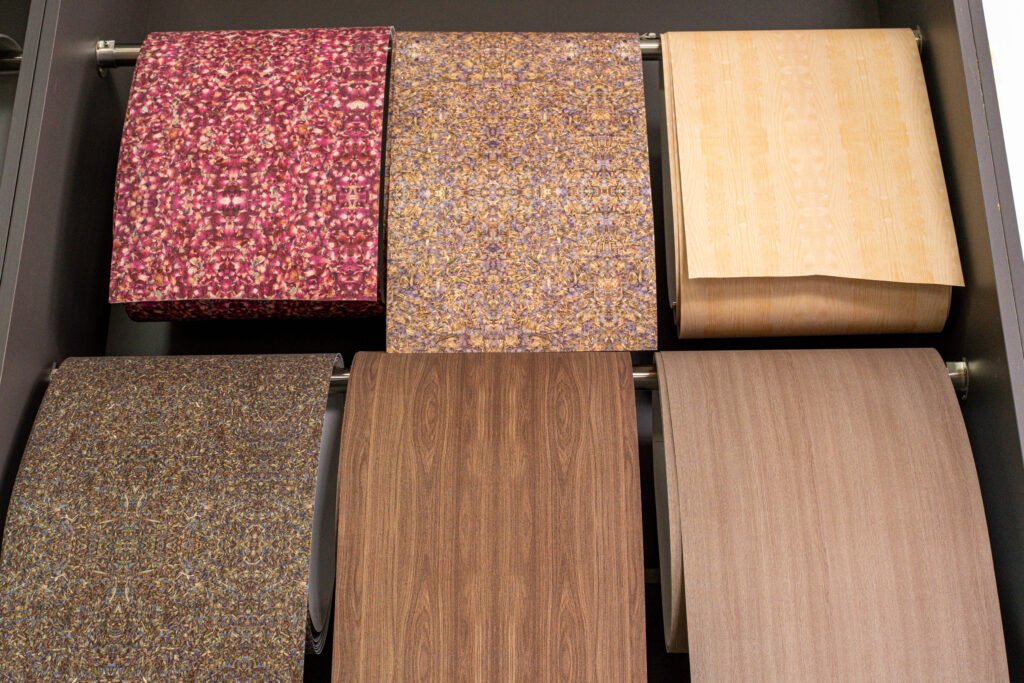
I have seen manufacturers focus heavily on the edge banding material while paying less attention to the machine settings. This can create confusion when a material performs differently on different production lines.
Feed speed changes the processing conditions
REHAU’s published edge-processing guidance shows that feed rate and adhesive application are connected. Its guidance gives specific feed-rate ranges and notes that adhesive requirements can depend on feed speed, board thickness, and edgeband thickness.
This point matters during mass production.
If a factory increases production speed to meet a delivery deadline, the processing conditions may change.
The material may spend less time in a heating or bonding area. The adhesive may have less time to create the required contact. The downstream finishing units also have less processing time.
I do not say that higher speed automatically creates poor quality. I say that a speed change needs to be tested and controlled.
Pressure and adhesive application also matter
The pressure zone is another important part of the process.
HOMAG describes its edge banding systems as using coordinated functions such as workpiece preheating, glue application, and pressure zones to achieve high-quality edge bonding.
I therefore do not look at glue strength alone when I investigate bonding problems.
I ask:
- Is the adhesive temperature correct?
- Is the adhesive amount stable?
- Is the board edge prepared correctly?
- Is the pressure stable?
- Is the feed speed within the tested range?
- Is the edge band running correctly through the machine?
A problem can come from the interaction between several settings.
Long orders make small setting changes more important
During a short sample run, an operator can notice a problem quickly.
During a long production run, the same problem can affect thousands of meters before someone notices it.
That is why I prefer factories to record machine parameters before mass production begins.
| Machine factor | What I want to control | Why it matters |
|---|---|---|
| Feed speed | Tested production range | Controls processing time |
| Temperature | Actual process setting | Controls heating conditions |
| Adhesive amount | Stable application | Supports consistent bonding |
| Pressure | Stable roller contact | Supports edge adhesion |
| Trimming | Tool and setting | Controls edge appearance |
| Buffing | Wheel condition and setting | Controls final finish |
REHAU also provides technical processing information and standard tolerances for its edgeband products, which shows why material specifications and processing conditions need to be considered together.
Why Can Raw Material and Batch Variation Affect Mass-Produced Edge Banding?
I do not expect every production batch to be physically identical without a controlled specification. Raw materials, color systems, additives, and processing conditions can introduce variation.
Raw material and batch variation can affect mass-produced edge banding because changes in material properties, dimensions, color, surface finish, or processing behavior can accumulate across a large order.
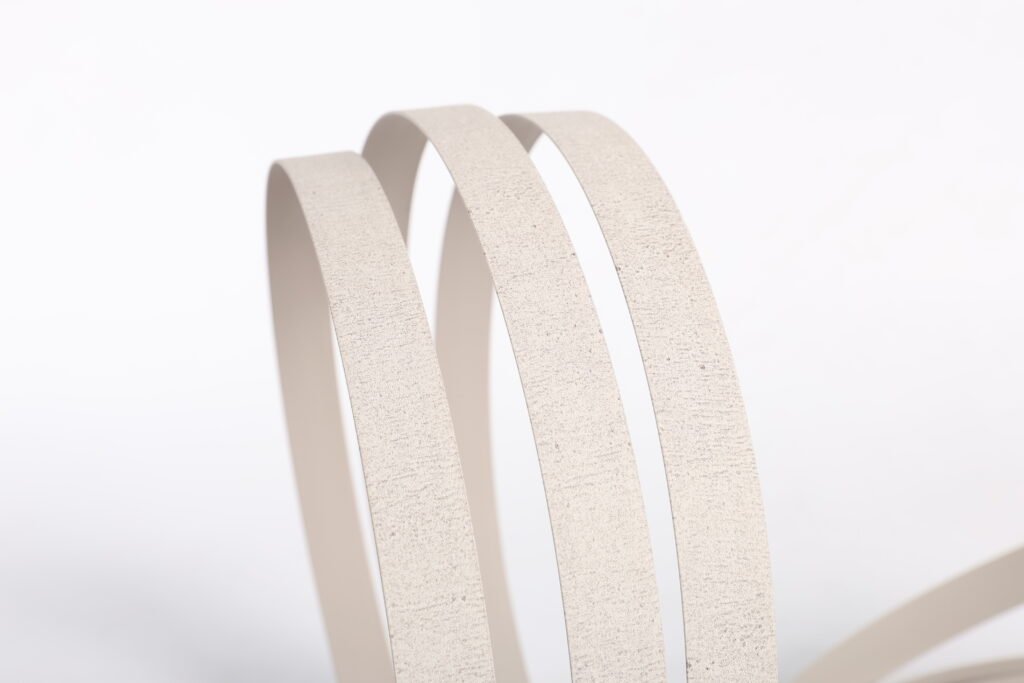
This is especially important for distributors and furniture manufacturers that need repeat orders months after the first shipment.
The same product code still needs a controlled specification
A product code alone does not tell me everything.
I want the supplier to have defined specifications for important characteristics such as:
- Thickness
- Width
- Color
- Surface finish
- Gloss
- Dimensional tolerance
- Mechanical properties
- Packaging
- Roll length
REHAU currently publishes standard tolerances for ABS and PVC edgebands, which is a useful example of how dimensional control can be treated as a formal product requirement rather than a visual guess.
Color consistency becomes harder at larger volumes
Color is a good example.
A small sample may look correct next to the customer’s panel.
But if a large order uses several production batches, the factory needs to make sure the batches remain within the approved color range.
This is why I prefer a reference sample or approved master sample.
The factory can compare new production against the approved reference instead of relying on memory.
The same idea applies to gloss and surface texture.
Raw material variation can affect processing too
I also look beyond appearance.
If a material batch has slightly different processing behavior, the machine may need different settings.
The operator may notice differences in:
- Cutting behavior
- Surface response
- Flexibility
- Adhesion
- Trimming
- Buffing
- Heat response
This is one reason why a factory should not only inspect the finished appearance.
The factory should also track incoming raw materials and production batches.
Batch traceability becomes valuable during complaints
Imagine that a customer reports a problem with one shipment.
Without batch records, I can only say:
“We will check it.”
With batch records, I can ask:
Which production batch was used? Which raw material batch entered production? Which machine made it? Which shift produced it? Which inspection results were recorded?
That gives me a much clearer starting point.
| Control point | Small order | Mass order |
|---|---|---|
| Raw material batch | Easy to identify | Multiple batches may be involved |
| Color reference | One sample | Needs controlled reference |
| Dimensions | Small sample check | Regular inspection required |
| Production record | Simple | Full batch traceability is useful |
| Finished inspection | Frequent visual check | Sampling plan and records |
| Complaint analysis | Relatively simple | Requires batch history |
I think this is one of the biggest differences between a sample supplier and a stable B2B manufacturer.
A manufacturer needs to control not only today’s production, but also the ability to reproduce the same product later.
Why Does Edge Banding Quality Become Harder to Control During Long Production Runs?
I often think of long production runs as a test of process stability. A machine can produce excellent edges at startup, but the factory still needs to keep the same conditions after hours of operation.
Edge banding quality becomes harder to control during long production runs because machine temperature, tooling condition, adhesive behavior, material flow, dust, and operator conditions can change over time.
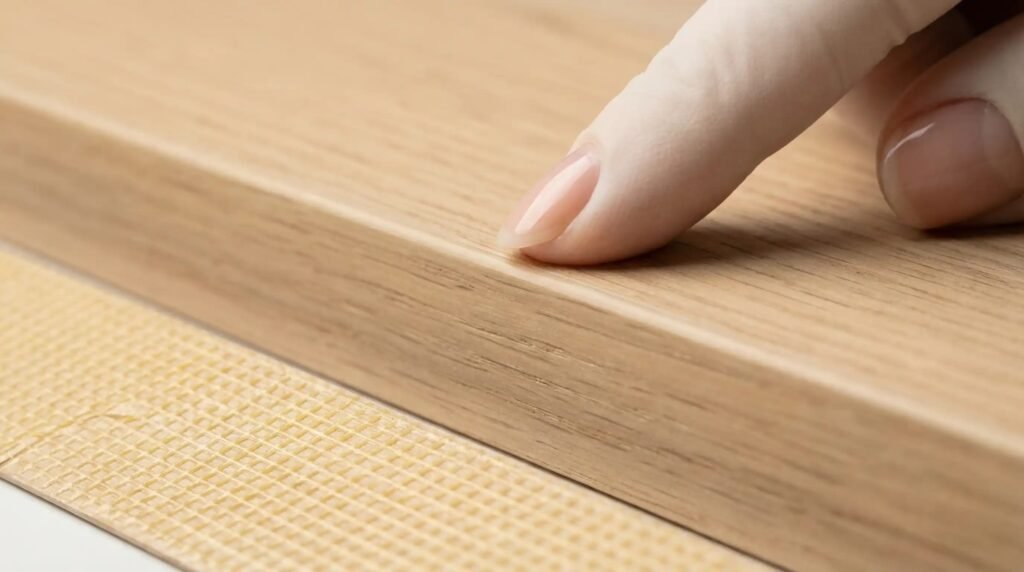
The longer the machine runs, the more important process monitoring becomes.
Tool wear can change the finished edge
Cutting and trimming tools are not permanent.
As tools wear, the cutting result can change.
I may start a production run with a clean, sharp tool and get a very smooth edge. After many hours of production, the same tool may create a different surface or edge profile.
This does not mean every long production run will have a visible problem.
It means the factory needs a maintenance and inspection plan.
HOMAG’s industrial edge banding machines include dedicated trimming and finishing units designed to maintain processing quality, which shows how much the final result depends on controlled machine functions.
Machine temperature can change during continuous production
I also pay attention to thermal stability.
A machine at startup and a machine after several hours of continuous operation may not be in exactly the same thermal condition.
This can matter when the process depends on controlled heating.
The factory should therefore monitor the actual process rather than assume that the initial setting will remain perfect throughout the whole order.
Adhesive conditions can change
For hot-melt edge banding, adhesive temperature and application amount are important.
REHAU’s processing guidance states that fixing quality depends on factors including the base material, milling quality, adhesive choice, glue temperature, glue amount, and the temperature of the board and edgeband.
This gives me a useful way to think about long production runs.
The bonding result is not controlled by the edge band alone.
The complete system matters.
Production pressure can create hidden quality problems
I also think about what happens when a factory is close to its delivery deadline.
The production team may increase speed.
An operator may reduce a maintenance stop.
A worn tool may stay in use longer.
An inspection frequency may be reduced.
Each decision may look small.
Together, they can increase quality risk.
| Long-run change | Possible quality risk | Control method |
|---|---|---|
| Tool wear | Rough or uneven trimming | Scheduled inspection |
| Temperature drift | Processing variation | Temperature monitoring |
| Adhesive condition | Bonding variation | Regular checks |
| Dust buildup | Surface defects | Cleaning schedule |
| Machine adjustment | Dimension variation | Parameter records |
| Operator change | Setting differences | Standard work instructions |
| Long production time | Process drift | In-process inspection |
I do not think the solution is to stop production constantly.
The better solution is to define what needs to be checked, how often it needs to be checked, and what action should happen when the result moves outside the target.
That is how a factory turns long production from a risk into a controlled process.
How Can Manufacturers Keep Edge Banding Quality Consistent in Mass Production?
I believe mass-production quality comes from a controlled process, not from final inspection alone. The factory needs to control the material, machine, production parameters, inspection points, and records together.
Manufacturers can keep edge banding quality consistent by using approved specifications, controlled raw materials, tested machine parameters, regular in-process inspection, equipment maintenance, and batch traceability.

When I evaluate a supplier, I want to know how the factory controls quality before the finished goods reach the warehouse.
Start with an approved product specification
The factory should define the product before mass production starts.
I would record:
- Product type
- Material
- Thickness
- Width
- Color
- Surface finish
- Gloss requirement
- Tolerance
- Application
- Packaging requirement
This gives production and quality teams the same target.