Winning a large order feels like business growth. But hidden costs, weak pricing, and poor payment terms can turn a successful sale into a financial problem.
Some edge banding distributors lose money because they focus on order value instead of total costs, actual profit margins, cash flow, and the risks involved in fulfilling large orders.
When I look at the profitability of a large edge banding order, I do not judge it by the sales amount alone. I look at the money that comes in, the money that goes out, and the time it takes to receive payment. A large order can bring more revenue, but it can also require more inventory, more working capital, more quality control, and more customer service. If I do not calculate these factors before accepting the order, I may discover that the business has grown while its profit has fallen.
What Hidden Costs Can Turn Large Edge Banding Orders into Unprofitable Deals?
A large order can look profitable when I only compare the selling price with the factory price. The problem starts when I ignore the extra costs of fulfilling the order.
I need to include every cost that helps me purchase, store, deliver, and support the edge banding products. These costs can reduce the profit that I expect to earn.
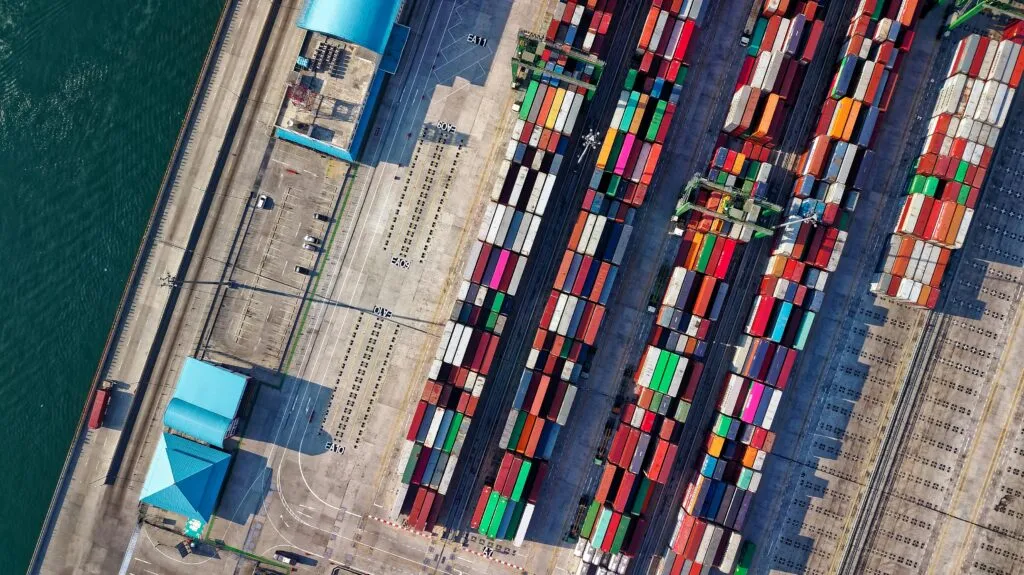
When I review a large order, I separate the visible costs from the hidden costs. The purchase price is easy to see. However, freight, customs clearance, storage, product damage, and customer service may appear in different invoices or departments. If I do not bring these costs together, I cannot see the real financial result.
1. Freight and Import Costs
International transportation can take a large part of an order budget. Edge banding distributors may need to consider ocean freight, local transportation, port charges, customs clearance, insurance, and other import-related costs.
The shipping term also matters. Under the Incoterms rules, the buyer and seller have different responsibilities for transportation, insurance, delivery, and risk. I should never assume that a quoted product price includes every cost of getting the goods to my warehouse.
For example, a factory may offer an attractive FOB price. However, I still need to calculate the costs after the goods reach the port of shipment. If I compare that price directly with another supplier’s delivered price, my comparison will be inaccurate.
2. Inventory and Storage Costs
Large orders often require more warehouse space and more money tied up in stock. This is especially important when customers request many colors, thicknesses, widths, or surface finishes.
I may receive a large shipment at a lower unit price, but some colors may sell slowly. These products still occupy warehouse space and use working capital. They may also become difficult to sell if customer demand or furniture designs change.
Inventory carrying costs can include:
- Warehouse rent and handling costs.
- Insurance and inventory-related taxes.
- Financing costs or the opportunity cost of invested cash.
- Damage, loss, and product deterioration.
- Obsolete or slow-moving stock.
The International Warehouse Logistics Association identifies opportunity cost, shrinkage, insurance, taxes, and obsolescence as parts of inventory carrying costs. This shows why I should not treat unsold inventory as free stock.
3. Quality and Customer Service Costs
A large order can create a larger financial loss when quality problems occur. A distributor may need to pay for inspection, sorting, replacement products, extra transportation, or customer compensation.
For example, a color mismatch across different production batches may force me to replace products even when most of the shipment is acceptable. The cost does not stop at the replacement material. I may also need to pay for additional shipping and spend time handling customer complaints.
| Hidden cost | Possible impact on distributors |
|---|---|
| International freight | Increases the landed cost of products |
| Customs and port charges | Raises the cost of importing |
| Warehouse storage | Increases inventory expenses |
| Slow-moving colors | Ties up cash and warehouse space |
| Product damage | Creates replacement and loss costs |
| Quality complaints | Adds inspection, service, and compensation costs |
| Urgent delivery | Increases transportation expenses |
I use the same approach when I evaluate every large order. I do not ask only how much I can earn from the sale. I ask how much money I must spend before the order is fully delivered and settled.
How Can Distributors Calculate the True Profit Margin of Each Edge Banding Order?
Many distributors calculate profit by subtracting the factory purchase price from the selling price. This method is too simple for international distribution.
I calculate the order’s real profit by including landed costs, direct selling expenses, quality costs, and other expenses that are directly related to the order.

I do not use sales revenue as the main measure of success. I use the amount of money left after the relevant costs have been deducted. This gives me a clearer view of whether an order is worth accepting.
1. Start With the Total Landed Cost
The first step is to calculate the landed cost of the products. This means I need to know how much the products actually cost when they arrive at the agreed destination.
A basic calculation is:
Landed Cost = Product Purchase Cost + Freight + Duties + Insurance + Other Import Costs
For edge banding distributors, I may also need to allocate local transportation, unloading, and other direct receiving costs. The exact cost categories depend on the shipping terms and the order arrangement.
I should also allocate shared costs fairly. For example, if one shipment contains several product types, I can allocate freight based on weight, volume, quantity, or another suitable cost driver. I should use a consistent method that reflects how the cost is actually created.
2. Calculate the Order’s Gross Profit
After I know the landed cost, I can calculate the gross profit.
Gross Profit = Net Sales Revenue – Cost of Goods Sold
Gross Profit Margin = Gross Profit ÷ Net Sales Revenue × 100%
I use net sales revenue rather than the amount originally shown on the quotation. Discounts, returns, and other sales adjustments should be included where applicable.
Let’s use a hypothetical example:
A distributor sells an edge banding order for $50,000. The product purchase cost is $32,000, and freight, customs, and other direct import costs total $5,000.
| Item | Amount |
|---|---|
| Net sales revenue | $50,000 |
| Product purchase cost | $32,000 |
| Freight and import costs | $5,000 |
| Gross profit | $13,000 |
| Gross profit margin | 26% |
The calculation is:
($50,000 – $37,000) ÷ $50,000 × 100% = 26%
This is the gross profit margin before other selling and operating expenses. It is not the final net profit.
3. Include Direct Selling and Order-Related Expenses
I then deduct the expenses that are not included in the landed cost. These may include sales commissions, warehouse handling, packaging changes, delivery to the customer’s location, payment processing fees, and quality-related expenses.
For example, if the distributor in the previous example spends another $4,000 on order-related selling and handling costs, the remaining contribution is $9,000.
Order Contribution = Gross Profit – Direct Selling and Order-Related Expenses
I should be careful with the term “profit” here. This $9,000 is not necessarily the company’s final net profit because general operating expenses, taxes, and other costs may still need to be deducted.
4. Compare Orders Using the Same Calculation
I recommend that distributors use one cost template for every major order. The template should include the same cost categories and calculation rules. Otherwise, one order may look more profitable simply because some expenses were not recorded.
| Financial measure | What it tells me |
|---|---|
| Sales revenue | How much the customer pays |
| Landed cost | How much the products cost at the destination |
| Gross profit | What remains after the cost of goods sold |
| Gross profit margin | The percentage of sales left as gross profit |
| Order contribution | What remains after direct order-related expenses |
| Net profit | What remains after all relevant business expenses |
I also compare the estimated figures with the actual results after delivery. This helps me find where my original quotation was inaccurate and improve the next one.
Why Can Low Pricing and Poor Payment Terms Reduce Distributor Profitability?
Some distributors lower their prices because they want to win a large customer or enter a new market. However, a lower price does not always create a better business opportunity.
When I accept a low selling price and give the customer long payment terms, I may face two problems at the same time: lower profit per order and greater pressure on cash flow.

I believe price competition becomes dangerous when distributors focus only on winning the order. A large customer may offer repeat business, but the first order still needs to make financial sense. I should not use future sales as an excuse to accept terms that my business cannot support.
1. Low Prices Reduce the Margin Available to Cover Risks
A small price reduction can have a large effect on the remaining profit, especially when the original margin is already low.
Let’s use another hypothetical example. I sell an order for $50,000 and have a total cost of $42,000. My gross profit is $8,000, and my gross profit margin is 16%.
If I reduce the selling price by 5% but keep the same product and delivery costs, the new selling price becomes $47,500. My gross profit falls to $5,500, and my gross profit margin becomes approximately 11.6%.
| Item | Original price | Reduced price |
|---|---|---|
| Sales revenue | $50,000 | $47,500 |
| Total cost | $42,000 | $42,000 |
| Gross profit | $8,000 | $5,500 |
| Gross profit margin | 16% | 11.6% |
The distributor has reduced the selling price by only 5%, but gross profit has fallen by 31.25%.
This is why I do not treat a discount as a small decision. I calculate its effect on the actual profit before I agree to it.
2. Long Payment Terms Increase Financial Pressure
Payment terms affect when money enters my business. A customer may accept a large order but request payment 60 or 90 days after delivery.
During this period, I may already have paid the factory, freight company, customs broker, and warehouse. The order can show a profit on paper while my bank account has very little available cash.
The Australian Government’s business guidance explains that credit terms can increase sales but also create cash-flow risks when customers pay late. It recommends clear payment terms, credit checks, and limits on the amount of credit offered.
I therefore need to review the customer’s payment history and financial position before offering credit. I should also consider the payment terms I receive from my own suppliers.
3. The Gap Between Customer Payments and Supplier Payments Matters
I pay attention to the timing of cash movements, not only the final amount.
For example, if I must pay my supplier before shipment but my customer pays 60 days after delivery, I need enough working capital to support the entire period. If I accept several orders with similar payment terms, the cash pressure can become much larger.
I use the following questions before agreeing to a large order:
- Does the customer pay a deposit before production?
- When do I need to pay my supplier?
- When does the customer expect delivery?
- How many days after delivery will the customer pay?
- Can I support the order if the customer pays late?
- What happens if the customer disputes part of the shipment?
I may offer a better price when the customer agrees to a deposit, faster payment, or a stable order schedule. However, I should calculate the value of that benefit rather than offer discounts automatically.
A large order should improve the business, not force the distributor to finance the customer’s purchasing plan without a clear return.
How Can Distributors Control Quality, Delivery, and Inventory Risks in Large Orders?
Large orders create more pressure on product consistency, delivery schedules, and stock planning. If I do not control these areas, a profitable quotation can become an expensive problem during execution.
I reduce these risks by confirming product specifications, checking suppliers, planning inventory, and setting clear responsibilities before production begins.
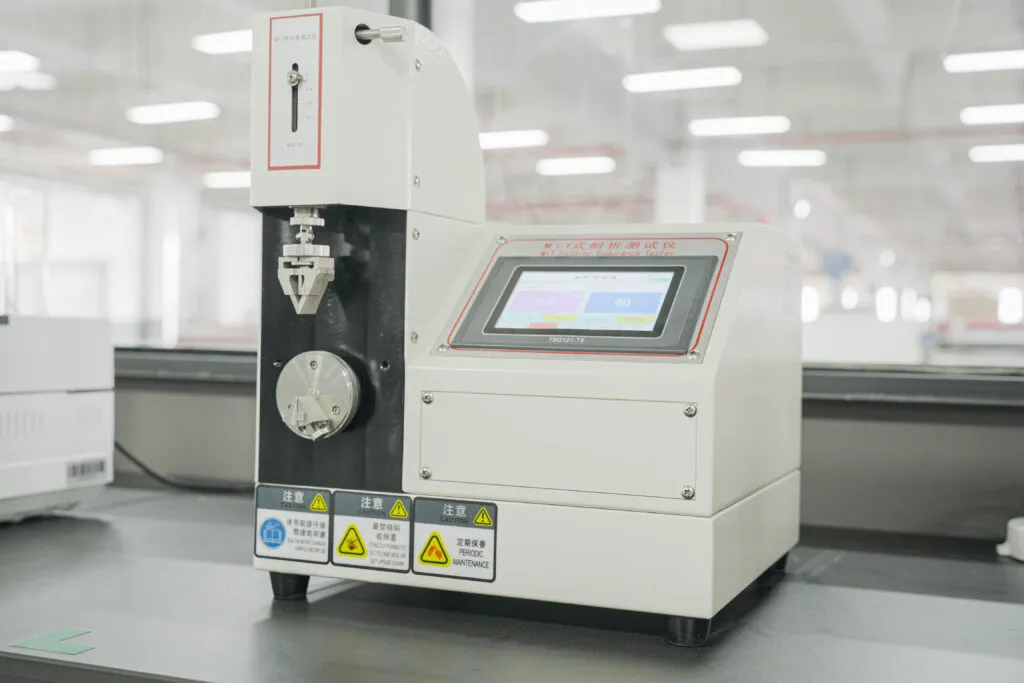
I do not assume that a supplier can deliver a large order correctly just because the supplier has completed smaller orders before. A larger quantity may involve more production batches, more colors, and more opportunities for mistakes. I need a process that can control these risks before the products reach my customer.
1. Confirm Product Specifications Before Production
Edge banding orders can include many specifications. These may involve material, thickness, width, color, surface finish, texture, gloss level, and packaging requirements.
I make sure that the customer and supplier agree on the same specifications. I also keep approved samples and written records so that both sides can refer to the same standard.
For example, if a customer orders several colors that need to match furniture panels, I should not rely only on a color name or a digital image. I should confirm the physical sample and agree on the acceptable color difference.
I also confirm whether the order requires different production batches or special packaging. These details can affect production planning and the final cost.
2. Use Quality Checks at More Than One Stage
I prefer to check quality before shipment rather than wait for the customer to report a problem.
A practical inspection process can include:
- Sample approval: Confirm the material, color, finish, and dimensions before mass production.
- Production inspection: Check products during production and record any issues.
- Pre-shipment inspection: Review the finished goods, packaging, quantity, and order documents.
- Receiving inspection: Check the goods again when they arrive at the warehouse.
The American Society for Quality (ASQ) explains that quality costs include prevention, appraisal, internal failure, and external failure costs. It also identifies scrap, rework, returns, warranty claims, and complaint handling as costs linked to poor quality.
This is important for distributors because inspection is not only a quality activity. It is also a way to reduce the financial impact of defects.
3. Build a Delivery Plan With Clear Responsibilities
I confirm the production lead time, shipping schedule, delivery destination, and required documents before accepting the order.
I also check the agreed Incoterms rule. The International Chamber of Commerce explains that Incoterms define important responsibilities for delivery, risk, and costs between buyers and sellers. However, these rules do not replace the full sales contract.
I therefore make sure that the purchase contract also covers delivery dates, packaging, quality requirements, and what happens if the supplier does not meet the agreed terms.
I do not promise a delivery date to my customer until I have checked whether the supplier and logistics provider can support it.
4. Avoid Buying More Inventory Than the Market Can Absorb
A large order may offer a lower purchase price per unit, but that does not mean I should buy more than I can sell.
For edge banding distributors, inventory planning is especially important because customers may request many different colors and specifications. Some products move quickly, while others may stay in the warehouse for months.
| Risk | Control method |
|---|---|
| Color mismatch | Approve physical samples and record specifications |
| Thickness or width errors | Check product dimensions against the order |
| Batch inconsistency | Keep batch records and inspect production |
| Late delivery | Confirm lead times and shipping plans |
| Excess inventory | Review sales history and stock turnover |
| Slow-moving colors | Set reorder levels and review old stock |
| Customer complaints | Define inspection and replacement procedures |
I review stock movement before placing repeat orders. I also separate fast-moving products from special-order products. This helps me avoid using too much cash on stock that may not sell soon.
How Can Distributors Build a Pricing and Procurement Strategy That Protects Long-Term Profits?
A distributor should not depend on low prices and large order quantities to grow the business. I prefer a pricing and procurement strategy that protects the margin, controls risk, and supports repeat business.
The goal is not to win every order. The goal is to win orders that the business can fulfill and collect payment for at a reasonable profit.

When I build a long-term strategy, I look at the full relationship between the customer, supplier, product range, and cash flow. A supplier with the lowest quotation may not always provide the lowest total cost. A customer with the largest order may not always be the most profitable customer.
1. Set a Minimum Profit Requirement Before Quoting
I set a minimum acceptable margin for different product groups and customer types. This gives the sales team a clear reference when negotiating prices.
However, I do not use one fixed margin for every order. A standard product with stable demand may have a different cost structure from a custom color or a special specification.
For each quotation, I consider:
- Product purchase price.
- Freight and import costs.
- Order quantity and packaging requirements.
- Expected quality and replacement costs.
- Customer payment terms.
- Currency and price-change risks.
- The amount of working capital required.
If the customer’s target price is below my acceptable level, I review the order structure before reducing the price. I may discuss a different quantity, fewer product variations, a longer production schedule, or a different delivery arrangement.
2. Negotiate With Suppliers Beyond the Unit Price
I do not judge a supplier only by the quoted price per meter or roll. I also review quality consistency, production capacity, lead time, MOQ, payment terms, and after-sales support.
A slightly higher unit price may still create a better result if the supplier offers more reliable production and fewer quality problems.
For example, a supplier that can maintain stable colors and specifications may help me reduce inspection time, customer complaints, and replacement costs. These savings may be more valuable than a small discount on the purchase price.
I also discuss repeat-order arrangements. If I can provide a more accurate demand forecast and place regular orders, I may be able to negotiate better production planning and more suitable purchasing terms.
3. Match Procurement Quantity With Real Demand
Bulk purchasing can reduce the unit price, but it can also increase inventory risk.
I review sales history, customer forecasts, and stock turnover before deciding how much to purchase. I also separate regular stock products from products that are only made for specific customers.
For example, I may keep fast-moving colors in regular inventory while purchasing special colors only after receiving a confirmed customer order. This can reduce the amount of cash tied up in slow-moving products.
The Australian Government’s cash-flow guidance also recommends regular stock reviews to help businesses avoid over-ordering and reduce costs from excess inventory.
4. Build a Supplier Strategy That Reduces Dependence
I do not want my entire business to depend on one supplier, especially when I serve customers with large and regular orders.
A primary supplier can support most of my standard demand. A qualified alternative supplier can help when the main supplier has capacity problems, delivery delays, or quality issues.
However, I do not add suppliers without testing them. I first compare samples, specifications, production capability, quality records, and delivery performance. I also confirm that alternative suppliers can meet the same product requirements.
This approach can reduce supply risk without creating unnecessary purchasing complexity.
5. Review Actual Profit After Every Major Order
I compare the original quotation with the actual order result after delivery and payment collection.
I check whether freight costs were higher than expected, whether there were extra inspection expenses, whether the customer paid on time, and whether the final quantity matched the plan.
I record these differences and use them when preparing future quotations. Over time, this process helps me understand which products, customers, and order types create better returns.
| Strategy | What I review | Expected business benefit |
|---|---|---|
| Minimum margin rules | Total order cost and required return | Avoids unprofitable quotations |
| Supplier negotiation | Price, MOQ, quality, and lead time | Reduces total procurement cost |
| Demand-based purchasing | Sales history and stock turnover | Limits excess inventory |
| Supplier alternatives | Quality and delivery capability | Reduces supply dependence |
| Order review | Estimated versus actual costs | Improves future pricing decisions |
I believe a strong distributor does more than buy at a low price and sell at a higher price. A strong distributor understands the cost of every order and makes purchasing decisions based on long-term business results.
Conclusion
Large orders only create growth when distributors control total costs, protect margins, manage cash flow, and choose reliable suppliers.

Get Factory Pricing & MOQ
Send your colour list and volumes — we reply with factory-direct pricing, MOQ and lead time so you can quote large orders with a margin that holds.
Request a Quote