Frequent color changes can slow down edge banding production, increase labor costs, and delay orders. Poor planning often makes this problem worse.
Furniture factories can reduce color changeover time by grouping similar orders, preparing materials before production stops, standardizing machine settings, and working with reliable edge banding suppliers. A clear changeover process can reduce downtime without affecting product quality.
Color changeover is a common issue in furniture production, especially when factories handle many cabinet designs, panel colors, and customer orders. A factory may need to change edge banding colors several times in one shift. Each change can involve more than replacing one roll. Operators may also need to check specifications, adjust machine settings, inspect the first finished pieces, and confirm color consistency.
I believe factories should not treat color changeover as a simple machine operation. It is also a production planning and supply chain issue. The factory needs to understand where time is lost and which steps can be completed before the machine stops. In this article, I will explain how furniture factories can improve the whole process.
Why Does Color Changeover Take So Much Time in Edge Banding Production?
Frequent color changes can create more downtime than many factory managers expect. The problem is not always the machine itself. Poor preparation, unclear specifications, and repeated quality checks can also make each change take longer.
Furniture factories can reduce changeover time by identifying every step involved in changing colors. They should separate material replacement, machine adjustment, adhesive system changes, and quality inspection instead of treating them as one task.
The Main Sources of Changeover Time
When I look at color changeover in edge banding production, I first divide the process into several activities. This makes it easier to find the real cause of downtime.
For example, an operator may stop the machine because the next color is not ready. The operator may also need to search for the correct roll, check its width and thickness, or confirm the color code with the production team. These activities do not improve the product. They only delay the next production run.
The machine may also need adjustments after a new roll is installed. Different edge banding materials and specifications can require different processing settings. The operator may need to check feeding, pressure, trimming, scraping, and polishing results. The exact adjustments depend on the machine, material, and production conditions.
I also pay attention to the first-piece inspection. A new color may look correct on the roll but appear different after processing. Lighting, surface texture, panel color, and the viewing angle can affect the visual result. The factory should compare the finished edge with an approved reference sample.
Common Reasons for Long Changeovers
| Changeover problem | Why it causes delays | Possible improvement |
|---|---|---|
| The next roll is not ready | Operators wait for materials | Prepare the next roll before stopping |
| Specifications are unclear | Staff need to confirm dimensions and color codes | Use a clear production order |
| Machine settings are not recorded | Operators repeat previous adjustments | Keep settings for approved product combinations |
| Tools are not prepared | Operators leave the machine to find tools | Use a standard changeover tool area |
| First-piece inspection takes too long | Staff do not have a clear acceptance standard | Prepare approved samples and inspection rules |
| Adhesive system changes are mixed with roll changes | More cleaning or setup work may be required | Separate material changes from adhesive changes |
Not Every Color Change Requires the Same Work
I do not recommend using one changeover procedure for every production situation. Replacing a PVC edge banding roll with another PVC roll of the same specification may require less work than changing to a different material or thickness.
A roll change and an adhesive system change are also different operations. A factory may only need to replace the edge banding roll when the adhesive and machine conditions remain suitable. However, changing adhesive types, such as switching between EVA and PUR systems, may require a separate procedure based on the machine and adhesive manufacturer’s instructions.
Factories should record the actual time for each type of changeover. They should not use one average number for every situation. This gives managers a more accurate picture of production losses and helps them choose the right improvement.
How Can Furniture Factories Optimize Production Scheduling to Reduce Color Changes?
A poor production sequence can create unnecessary color changes, even when the factory has enough materials and efficient machines. Furniture factories should group orders with similar colors and specifications while still meeting delivery dates and customer requirements.
Factories can reduce unnecessary changes by organizing production according to color, material, thickness, width, and machine compatibility. They should also consider order quantity, delivery priority, and the cost of delaying an order.
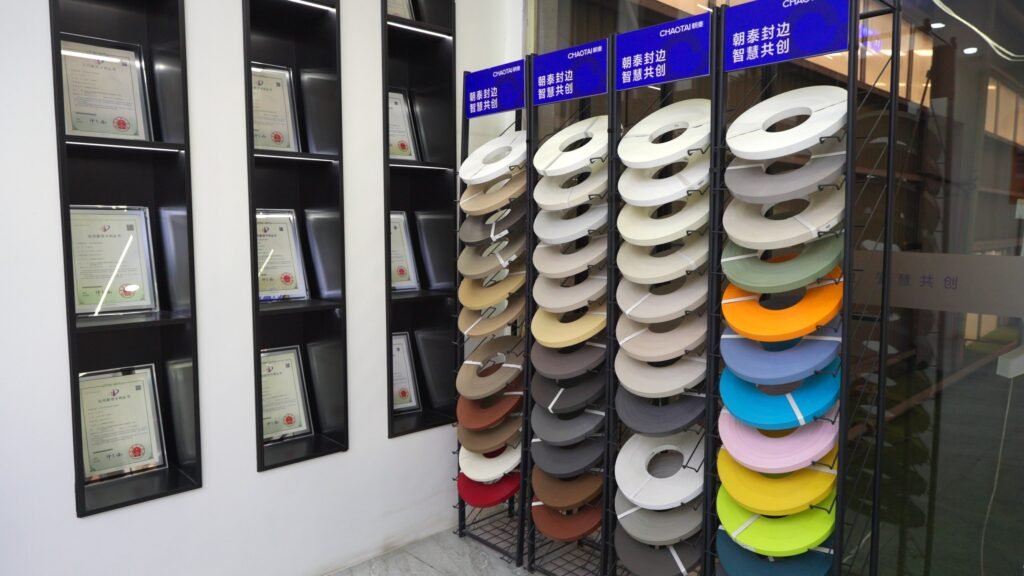
Group Orders by Color and Specification
I believe production scheduling is one of the most practical ways to reduce changeover time. A factory should not automatically process orders in the order they arrive. It should review the full production plan and identify orders that can share the same setup.
For example, three customers may order the same white PVC edge banding in the same thickness and width. If the factory processes these orders separately, operators may need to change colors between other jobs and return to white later. If the orders are compatible, the factory can group them into one production run.
However, color should not be the only scheduling factor. Two rolls may have the same color but different thicknesses, widths, surface finishes, or material types. These differences may still require machine adjustments. The production team should check all important specifications before grouping orders.
Build a Practical Production Sequence
I suggest that factories use a simple production sequence table. The production manager can compare the current order with the next order and estimate the setup work required.
| Scheduling factor | What the factory should check | Scheduling purpose |
|---|---|---|
| Color | Same color code or approved color family | Reduce unnecessary color changes |
| Material | PVC, ABS, acrylic, PP, or other materials | Avoid unsuitable material sequences |
| Thickness | Same or compatible thickness | Reduce machine adjustment |
| Width | Same or compatible width | Reduce setup work |
| Surface finish | Glossy, matte, textured, or other finishes | Maintain processing consistency |
| Order quantity | Small or large production volume | Balance setup time and delivery needs |
| Delivery date | Customer’s required shipping date | Avoid late orders |
A practical sequence may look like this:
- Process orders with the same material and compatible specifications.
- Group orders with the same color where possible.
- Process other colors according to machine setup requirements.
- Complete urgent orders when their delivery dates require priority.
- Keep enough time for inspection and packing.
This sequence is a planning guide, not a fixed rule. A factory should adjust it according to its machines, labor, order mix, and customer deadlines.
Balance Changeover Time and Delivery Time
I do not think factories should always choose the sequence with the fewest color changes. A large order may have a later delivery date, while a small order may be urgently needed by a customer. If the factory delays the urgent order just to reduce setup time, the overall production plan may become worse.
Production scheduling should balance setup time, machine capacity, order priority, and delivery performance. Research on production scheduling also recognizes that setup time can depend on the sequence of jobs. This means the time needed to move from one product to another should be considered when the factory creates its production plan.
For factories with many orders, production software or an ERP system can help compare different sequences. Smaller factories can start with a shared spreadsheet. The important point is that production planners should make changeover time visible instead of treating it as an unavoidable loss.
What Equipment and Materials Should Factories Prepare Before Color Changeover?
A changeover becomes longer when operators need to stop the machine and then search for materials, tools, samples, or production information. Factories should prepare the next production order before the current order ends.
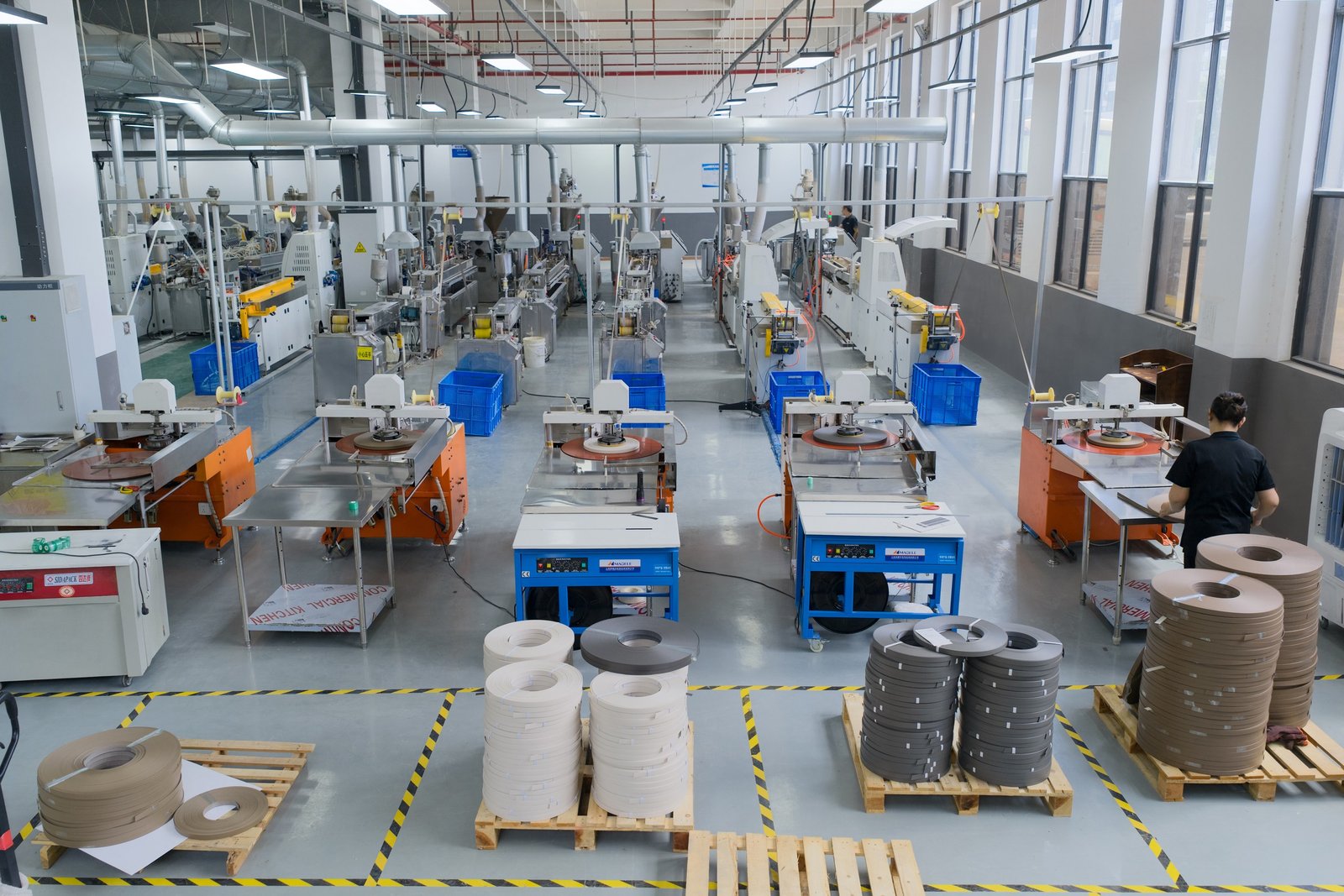
I recommend preparing the correct edge banding roll, production documents, tools, approved color samples, and required machine settings in advance. This allows operators to complete more preparation work while the machine is still running.
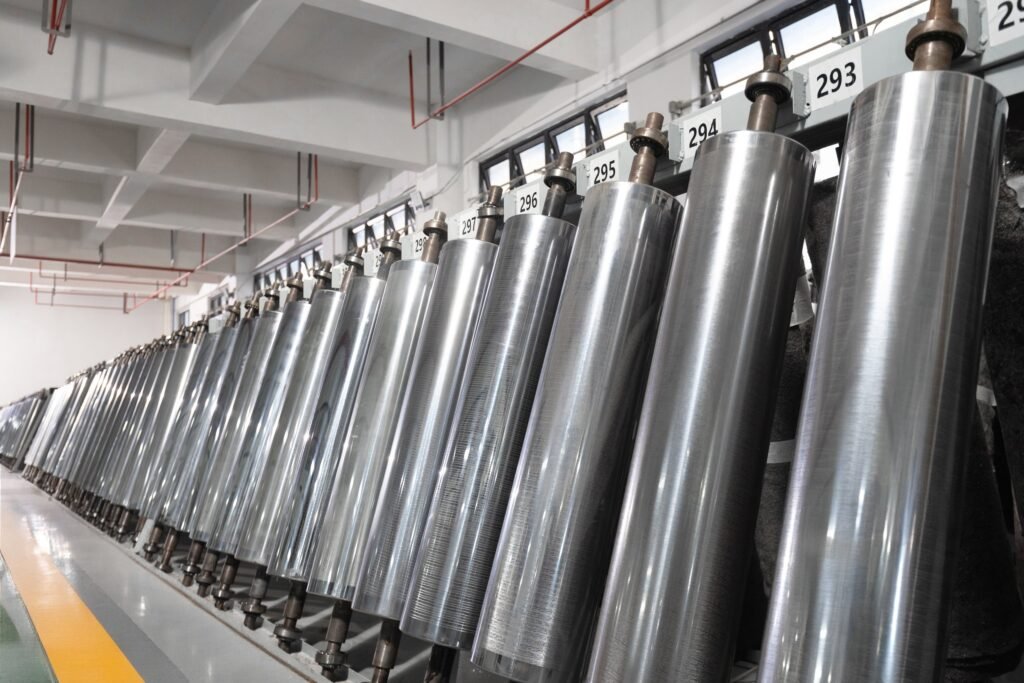
Prepare the Next Edge Banding Roll
The first step is to confirm that the next roll is available and ready for use. Operators should not wait until the current roll is nearly empty before checking the next material.
I suggest that the warehouse and production team use a clear material preparation process. Each roll should have an identification label that shows the important specifications. These may include the color code, material, thickness, width, batch number, and quantity.
The operator should compare the roll label with the production order before installation. This simple check can prevent a wrong-color or wrong-size roll from entering production.
The factory should also check the physical condition of the roll. Damaged packaging, dirty surfaces, or incorrect winding may create problems during feeding. If the roll has been stored for a long time, the team should follow the supplier’s storage instructions before using it.
Prepare Tools and Machine Information
The next step is to prepare the tools and settings that operators may need. I do not recommend allowing operators to search for tools after the machine has stopped.
A changeover preparation area can include:
- The next approved edge banding roll.
- Cutting and measuring tools.
- Cleaning tools approved for the machine.
- The production order and technical specifications.
- The approved color sample.
- The previous machine settings for the same product combination.
- Inspection tools and quality records.
The exact equipment depends on the production line. Some machines have automatic settings or quick adjustment systems. Other machines require operators to make several manual adjustments.
Use the SMED Method to Separate Preparation Tasks
I find the SMED method useful when factories want to reduce machine downtime. SMED stands for Single-Minute Exchange of Die. It is a method for reducing setup time by separating internal and external activities.
Internal activities can only be completed when the machine is stopped. External activities can be completed while the machine is still running. The factory should identify which activities belong to each group and move as many suitable tasks as possible outside the downtime period.
| Activity | Possible classification | Suggested action |
|---|---|---|
| Finding the next roll | External | Prepare it before the current run ends |
| Checking the production order | External | Confirm specifications in advance |
| Preparing tools | External | Place tools near the workstation |
| Checking the approved sample | External | Make the sample available before changeover |
| Removing the old roll | Internal | Follow the machine’s safe operating procedure |
| Installing the new roll | Internal | Use the machine’s approved installation method |
| Adjusting the feeding system | Internal or partly external | Follow machine design and safety rules |
| Inspecting the first finished pieces | Usually internal to the new run | Use clear inspection criteria |
I want to make one point clear: factories should never move a task outside the machine stop period if doing so creates a safety risk. Operators must follow machine instructions and lockout procedures where required.
SMED does not mean every color change must take less than ten minutes. The method provides a way to study and reduce setup work. The actual target should depend on the machine, product, and process.
How Can Operators Make Edge Banding Color Changeovers Faster and More Consistent?
Even with good scheduling and preparation, operators can still lose time when every person follows a different changeover method. A standard process helps workers complete the same tasks in the same order and reduces avoidable mistakes.
Furniture factories should create a clear changeover SOP, record approved machine settings, train operators, and use consistent first-piece inspection rules. These steps can improve both changeover speed and production quality.
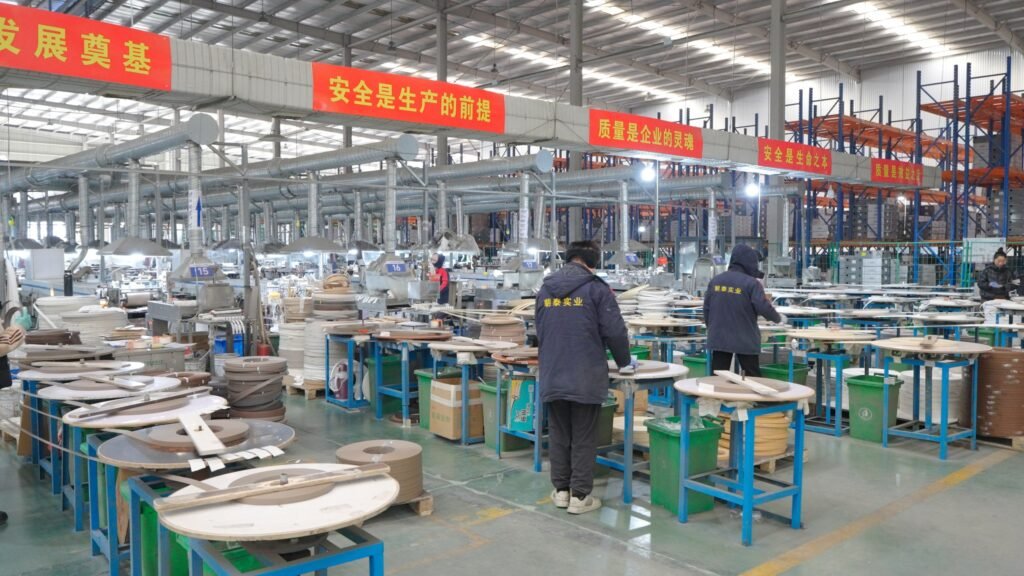
Create a Standard Changeover SOP
I believe a standard operating procedure is important for factories with several shifts or production teams. Without a clear SOP, one operator may change a roll quickly, while another operator may spend more time checking the same information.
A useful SOP should explain each step in a clear order. It should also identify who is responsible for each task.
For example, a basic color changeover SOP may include:
- Confirm the next production order and material specifications.
- Check the next roll and approved color sample.
- Prepare the required tools and machine information.
- Stop the machine according to the operating procedure.
- Remove the previous roll and install the next roll.
- Adjust the machine according to the approved settings.
- Produce the first pieces for inspection.
- Compare the finished result with the approved sample.
- Record the changeover time and inspection result.
- Continue mass production after approval.
The factory should adapt this procedure to its actual equipment. The SOP should not replace the machine manufacturer’s operating instructions.
Record Machine Settings for Repeated Orders
When a factory produces the same color and specification many times, it should keep the approved machine settings. Operators can use these records as a starting point for future production.
The records may include feeding speed, pressure settings, trimming parameters, scraping conditions, and other relevant machine values. The factory should only record settings that apply to its equipment and product.
However, I do not recommend copying old settings without checking the current conditions. A different machine, material batch, panel surface, or adhesive condition may affect the final result. Operators should use the recorded settings as a reference and confirm the first finished pieces before continuing.
Make First-Piece Inspection More Consistent
Color consistency is not only about whether two rolls have the same color name. The finished edge should also match the approved panel and the customer’s visual requirements.
Factories should keep an approved physical sample and define how operators should compare new production with it. The inspection should consider lighting, viewing angle, surface finish, and the actual panel material.
For more formal color evaluation, factories can use instrumental color measurement. ISO/CIE 11664-6:2022 specifies the CIEDE2000 formula for calculating color differences from CIELAB values. This can support a more consistent color comparison, but it does not provide one universal acceptance limit for every edge banding product. Buyers and factories still need to agree on the acceptable difference for each application.
| Quality control item | What operators should check | Why it matters |
|---|---|---|
| Color appearance | Compare with the approved sample | Prevent visible color mismatch |
| Surface finish | Check gloss, texture, and surface condition | Maintain the required appearance |
| Edge bonding | Check whether the edge is properly bonded | Avoid bonding defects |
| Trimming | Check the finished edge and corners | Prevent visible processing defects |
| Dimensional accuracy | Confirm width and thickness | Meet the production specification |
| Batch information | Record the roll and material batch | Support traceability |
Measure Changeover Performance
I also recommend recording the time spent on each changeover. A factory cannot improve a process accurately if it does not know how long each step takes.
Useful measurements include:
- Average changeover time.
- Number of color changes per shift.
- Machine downtime caused by changeovers.
- First-piece approval time.
- Rework caused by color or processing problems.
- On-time order completion rate.
The factory should compare results by machine, shift, and product type. This helps managers identify whether the main problem comes from preparation, machine adjustment, or quality inspection. ISO 22400 provides a framework for defining and using manufacturing operations KPIs. Factories can use its general approach to make production performance easier to measure and review.
How Can Edge Banding Suppliers Help Furniture Factories Reduce Changeover Time?
Furniture factories cannot control every part of the edge banding supply process. A supplier may deliver the correct color but provide inconsistent specifications, unclear labels, or different batch results. These problems can create extra checks and production delays.
I believe a reliable edge banding supplier should support the factory with stable color matching, clear product identification, consistent specifications, and better order planning. The supplier’s work can reduce problems before the material reaches the production line.
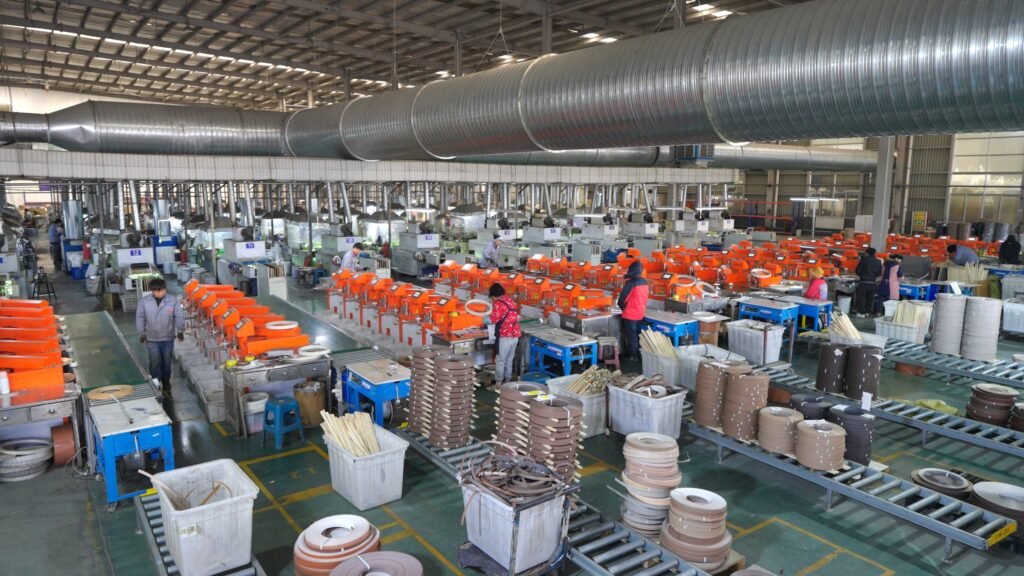
Maintain Stable Color Matching
Color matching is one of the most important parts of edge banding supply. A furniture factory may use the same decor for a long time. If the edge banding color changes between orders or batches, the factory may need to stop production and check the material again.
I suggest that suppliers keep clear color references and production records. When a customer places a repeat order, the supplier should check the previous approved sample and relevant production information. The supplier should also communicate when a material, pigment, surface finish, or production process changes in a way that may affect the final appearance.
Factories and suppliers should agree on how color approval works. They can use physical samples and, where appropriate, instrumental measurements. If they use color difference values, both sides should agree on the measurement method, sample preparation, and acceptable tolerance. A number without an agreed measurement method may create more confusion than confidence.
Keep Product Specifications Clear
A supplier should provide clear information for every product. The factory should not need to guess whether two rolls have the same specification.
| Supplier information | Why furniture factories need it |
|---|---|
| Color code and color name | Identify the correct decor |
| Material type | Confirm compatibility with the production process |
| Thickness and width | Prepare machine settings |
| Surface finish | Match the panel appearance |
| Roll length and packaging | Plan material usage and storage |
| Batch or lot number | Trace material history |
| Approved sample reference | Compare repeat orders |
| Production and delivery status | Plan the production schedule |
I also believe suppliers should notify customers before making important specification changes. A change in thickness, surface finish, or material type may affect machine settings and finished product quality. The factory should have enough time to review and approve the change before mass production.
Support Better Inventory and Order Planning
Suppliers can also help customers reduce production interruptions through better inventory and order planning.
For example, a distributor or furniture factory may use a group of common colors every week, while other colors are only needed for special orders. The supplier can discuss demand patterns with the customer and identify which colors may need regular stock or planned replenishment.
This does not mean every factory should keep a large amount of edge banding inventory. Too much stock can increase storage costs and create the risk of unused or outdated materials. The right inventory level depends on order frequency, color demand, lead time, and storage conditions.
I recommend that factories share their regular color requirements and estimated demand with their suppliers. Suppliers can then review production capacity, material availability, and delivery schedules. This can reduce last-minute orders and help factories prepare production plans with more confidence.
Treat the Supplier as Part of the Production Process
I do not see the relationship between an edge banding supplier and a furniture factory as a simple buying and selling process. The supplier’s color control, product consistency, and communication can directly affect the customer’s production work.
For example, if a factory receives a repeat order with the same color code but a noticeably different appearance, the production team may need to stop and investigate. The factory may also need to adjust its production plan or contact the customer for approval. These steps create extra work that could have been avoided through better sample management and batch records.
A good supplier should understand how its products are used in the customer’s production line. It should ask about the required material, dimensions, surface finish, color reference, and application. It should also provide clear feedback when a requested specification may affect production or delivery.
For furniture factories, supplier evaluation should therefore include more than price and delivery time. Color consistency, specification control, communication, and repeat-order management are also important factors. These areas can help factories reduce avoidable changeovers and keep production running more smoothly.
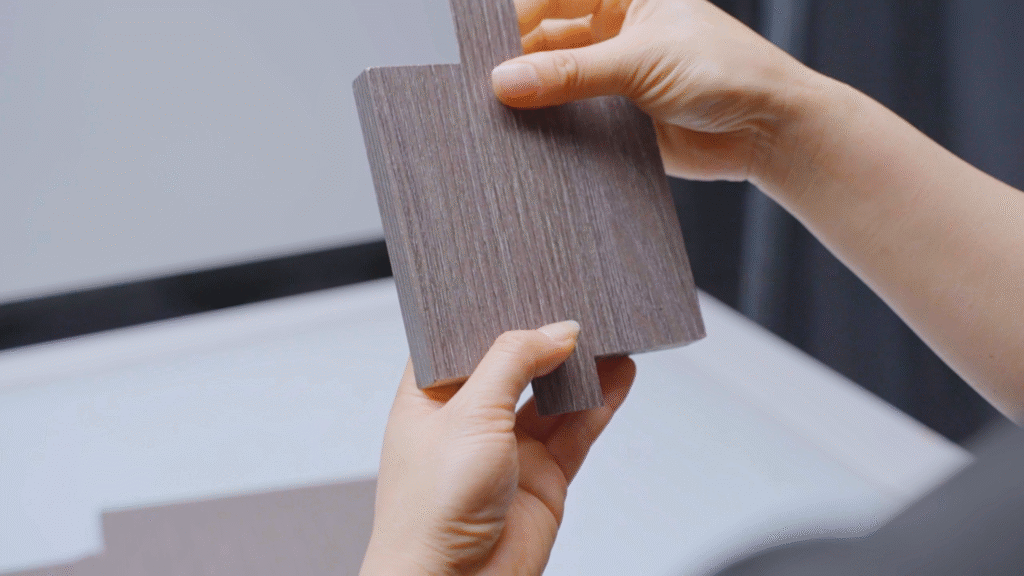
Colour Records That Repeat
Send the five decors you run most and we keep the approved shade, grain and gloss on file, so the next batch still lines up on the same panel.
How We Match Panels
Conclusion
Furniture factories can reduce color changeover time through better scheduling, preparation, standard procedures, quality control, and close cooperation with reliable edge banding suppliers.
References and Data Sources
- Lean Enterprise Institute – Single-Minute Exchange of Die (SMED)
https://www.lean.org/lexicon-terms/single-minute-exchange-of-die/
Reference for separating internal and external setup activities and reducing equipment changeover time. - Minitab – Quick Changeover (QCO-SMED)
https://support.minitab.com/en-us/workspace/help-and-how-to/forms/types-of-forms/lean-improvement/quick-changeover-qco-smed/
Reference for classifying and reviewing changeover activities. - International Organization for Standardization (ISO) – ISO 22400-1:2014
https://www.iso.org/standard/56847.html
Reference for manufacturing operations management KPIs and production performance measurement. - International Organization for Standardization (ISO) – ISO/CIE 11664-6:2022
https://www.iso.org/standard/82662.html
Reference for the CIEDE2000 color-difference formula. - International Commission on Illumination (CIE) – Colorimetry: Part 6, CIEDE2000 Colour-Difference Formula
https://www.cie.co.at/publications/colorimetry-part-6-ciede2000-colour-difference-formula-1
Reference for standardized color-difference calculation. - Ying, Kuo-Ching, Pourya Pourhejazy, and Zhi-Rong Lin – Scheduling with Sequence-Dependent Setup Times in Short-Term Production Planning: A Main Path Analysis-Based Review
https://doi.org/10.1016/j.orp.2025.100340
Academic review of production scheduling methods that consider sequence-dependent setup times.