
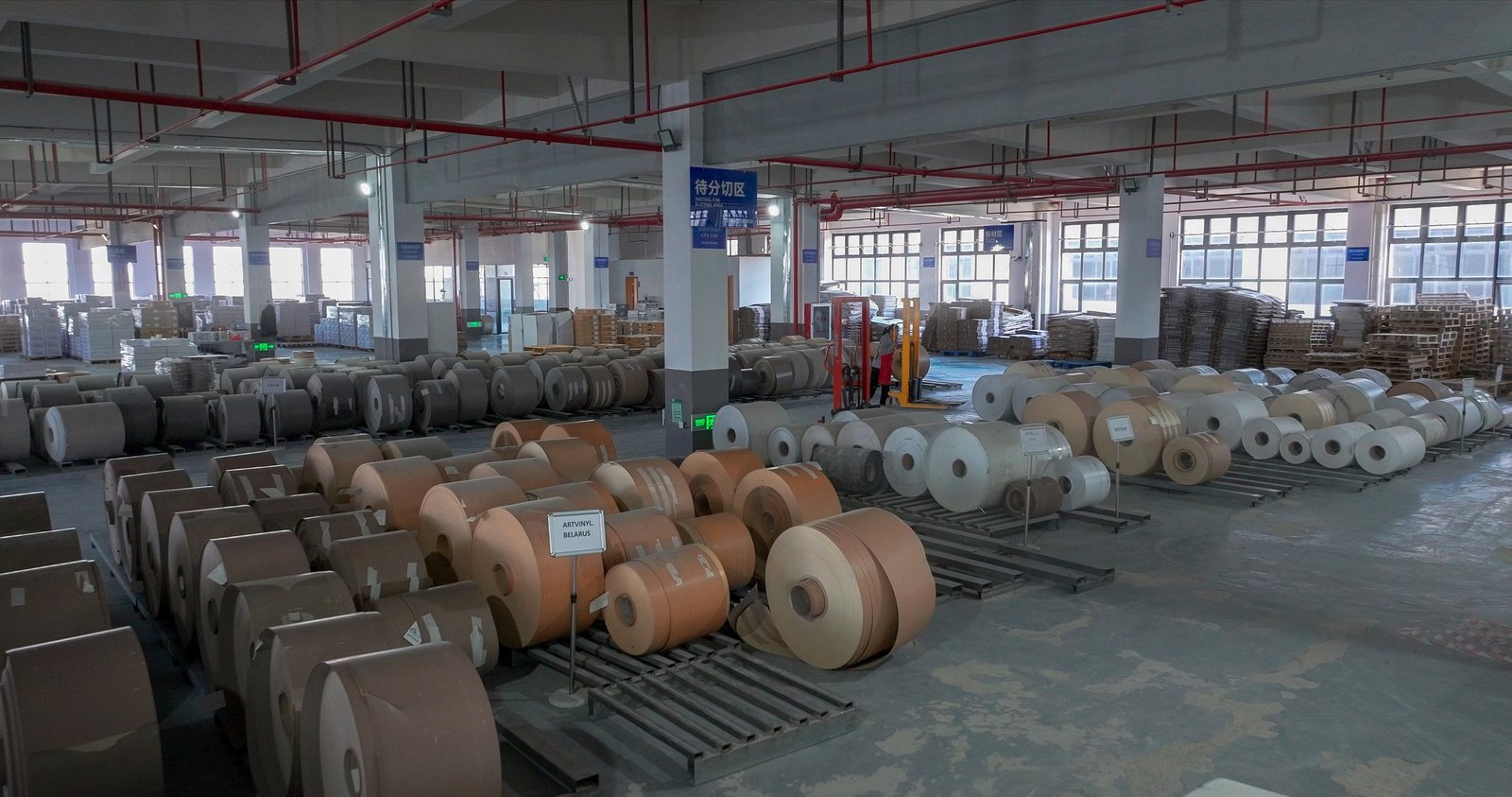
A large SKU catalog does not always mean better sales. Poor SKU planning can increase inventory costs, create slow-moving stock, and make customer orders harder to manage.
I believe distributors should build a customer-specific edge banding SKU system based on actual purchasing needs, color references, material specifications, and order frequency. A clear SKU structure helps distributors serve different customers while keeping inventory under control.
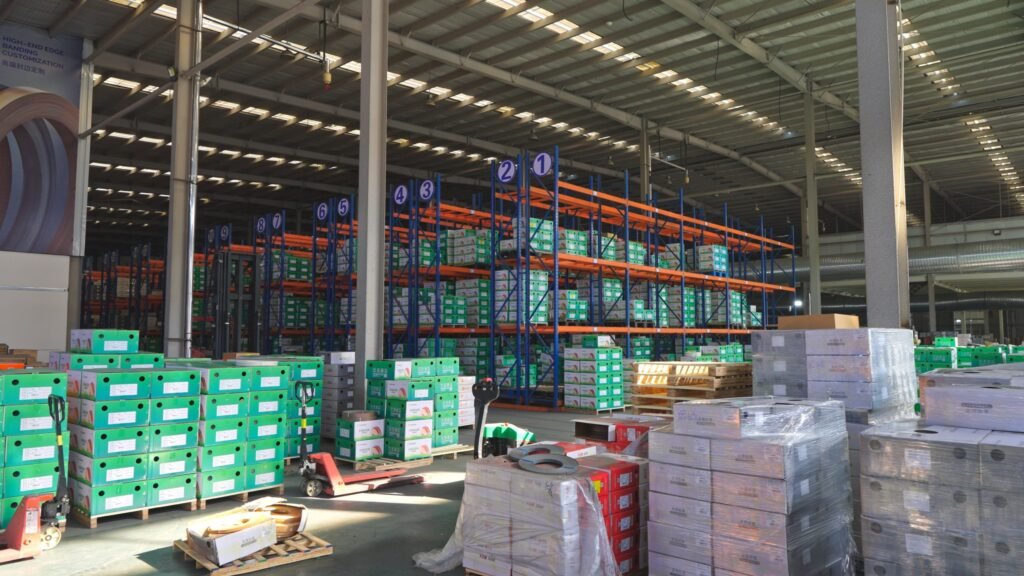
Many edge banding distributors serve furniture factories, cabinet manufacturers, kitchen suppliers, and furniture component producers at the same time. These customers do not always use the same colors, materials, or specifications. Some customers need a large range of decorative colors, while others only purchase a small number of standard PVC edge banding products in large quantities.
I do not think distributors should manage all these products with one general product list. They need a system that connects each SKU to the customer, the application, and the actual product specification. In this article, I will explain how distributors can build this system, control SKU growth, and work with manufacturers to improve product and inventory management.
What Does “Degree of Color Matching” Mean in EGGER 2025 Collections?
A product can have the correct color name and still look different from the customer’s furniture panel. This mismatch can lead to complaints, returns, and extra inventory costs.
I believe distributors should understand color matching as more than finding a similar color. They need to consider the decor code, surface texture, gloss level, and actual visual result when selecting matching edge banding.

When I discuss customer-specific SKU management, I think color matching should be one of the first things distributors consider. Many furniture factories use decorative boards from brands such as EGGER. These factories often expect their edge banding to match the board as closely as possible.
The EGGER Decorative Collection 24+ was the relevant collection in 2025. EGGER provides decorative boards, laminates, and matching edge banding within its decorative product system. Its Finish Match System focuses on coordinating decor, texture, and surface appearance. However, distributors should not assume that a similar color name means an exact match. EGGER also explains that its displayed finishes are reproductions and recommends checking the original physical sample for accurate color selection.
Color Matching Is More Than Color Similarity
I usually divide color matching into three important parts.
First, the decor code identifies the main color or pattern. For example, a woodgrain decor and a solid-color decor need different matching approaches. Second, the texture affects how the surface looks and feels. Third, the gloss level affects how light reflects from the material.
These details matter because two products can look similar under one lighting condition but different under another. A matte edge banding product may not look right beside a board with a stronger surface reflection.
| Matching factor | What distributors should check | Why it matters |
|---|---|---|
| Decor code | Original board decor reference | Identifies the intended color or pattern |
| Texture | Smooth, woodgrain, or other surface effects | Keeps the surface appearance consistent |
| Gloss level | Matte, semi-matte, or glossy | Reduces visible differences |
| Material | PVC, ABS, or other materials | Confirms the required product specification |
| Physical sample | Actual board and edge banding | Checks the final visual result |
How Should Distributors Use EGGER Decor References?
I recommend that distributors record the complete decor reference instead of using only a general color name.
For example, when a customer requests edge banding for an EGGER board, the distributor should ask for the decor number, texture reference, board thickness, and an original sample when available.
EGGER’s Finish Match System provides coordinated boards, laminates, and edge banding. This is a useful reference for distributors who need to organize customer-specific product information.
However, I do not recommend copying a decor reference directly into a distributor’s SKU system and treating it as a complete product specification. One decor may need different edge banding widths, thicknesses, materials, and roll lengths.
A distributor should keep the original decor reference as one field in the product database. The distributor should then connect it with the actual edge banding specification.
This approach helps the sales team identify what the customer needs. It also helps the warehouse avoid confusing products that share a similar color but have different dimensions or surface finishes.
How Can Distributors Identify and Classify Customer-Specific Edge Banding Requirements?
Many distributors make the same mistake when they expand their product range. They add more colors and specifications without first checking what their customers actually purchase.
I believe a good SKU system should start with customer information, not a supplier catalog. Distributors need to understand each customer’s production needs before deciding which products deserve a separate SKU.
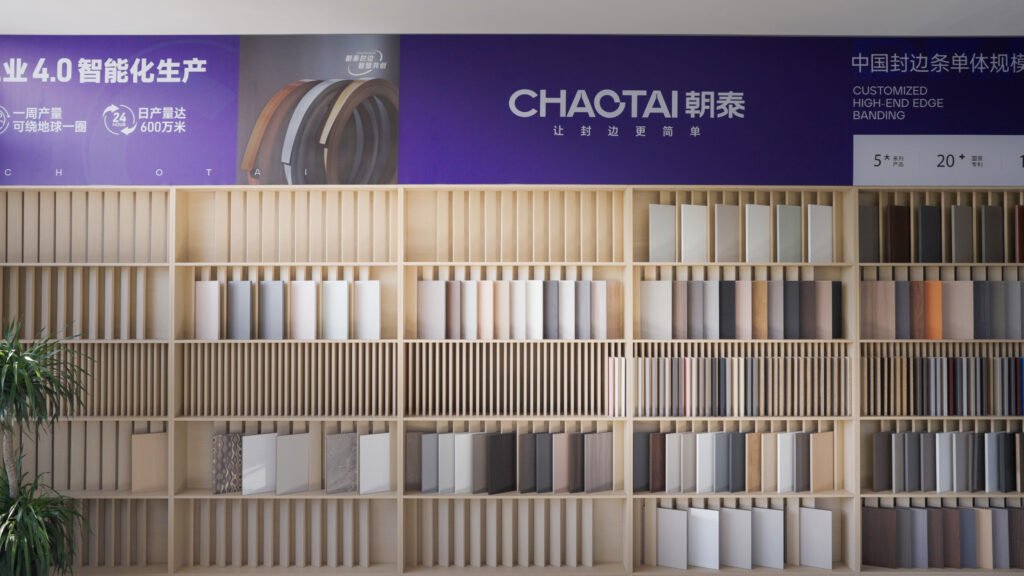
A furniture factory that produces kitchen cabinets may need a different edge banding range from a company that produces office furniture. A cabinet manufacturer may purchase standard white and woodgrain colors every month. A custom furniture producer may request many special colors but only order small quantities.
If distributors treat these customers in the same way, they may purchase too many products that have little demand. At the same time, they may run out of the products that their regular customers need.
Build a Customer Requirement Profile
I suggest creating a basic product requirement profile for every important customer. This profile should record the customer’s main applications, preferred materials, regular colors, dimensions, and purchasing frequency.
The distributor should also record whether a product is a standard requirement or a special request.
| Customer information | Details to collect | SKU management purpose |
|---|---|---|
| Customer type | Kitchen, cabinet, office, or custom furniture factory | Understand the application |
| Main board brands | EGGER or other decorative board brands | Identify matching requirements |
| Material preference | PVC, ABS, acrylic, or other materials | Define product categories |
| Thickness and width | Actual required dimensions | Separate product specifications |
| Color requirements | Decor codes and approved samples | Manage color references |
| Order frequency | Weekly, monthly, or occasional | Estimate stock demand |
| Order quantity | Average quantity per purchase | Plan inventory levels |
| Special requirements | Surface finish, packaging, or custom length | Identify customized SKUs |
I do not think distributors need to collect every possible detail from every customer at the beginning. They can start with the most important information from their existing orders and update the profile as they receive new requirements.
Classify Customers by Purchasing Behavior
I also recommend grouping customers according to their purchasing behavior. This is different from simply grouping them by industry.
For example, two kitchen cabinet manufacturers may have completely different purchasing patterns. One may use a fixed range of standard colors, while the other may change its designs every few months.
I would divide customers into three basic groups:
- Regular production customers: These customers repeatedly purchase a stable range of colors and specifications. Their common products should receive higher inventory priority.
- Customized production customers: These customers need specific decor references, dimensions, or surface finishes. Distributors should keep detailed product records and confirm demand before purchasing.
- Project-based customers: These customers purchase according to individual projects. Distributors should avoid holding large quantities of products that may not be needed again.
This classification helps distributors understand which products should be kept in stock and which products should be purchased after receiving a confirmed order.
Connect Customer Requirements with Actual Products
A customer requirement is not yet a complete SKU. The distributor still needs to confirm that the requested product is available and suitable for the customer’s production process.
For example, a customer may request a woodgrain edge banding product that matches a specific decorative board. The distributor should confirm the color reference, texture, material, thickness, and width before creating the final product record.
I would also keep the customer’s original product reference in the system. Different customers may use different names for the same decor. Keeping both the customer’s name and the distributor’s internal product code can reduce communication problems.
How Should Distributors Structure and Assign Edge Banding SKUs?
A poorly designed SKU system can create problems even when the distributor has the correct products. Sales staff may select the wrong specification, warehouse employees may pick the wrong roll, and purchasing teams may order duplicate products.
I believe every edge banding SKU should have a clear structure. Each code should identify one specific product specification and connect it with a complete product record.
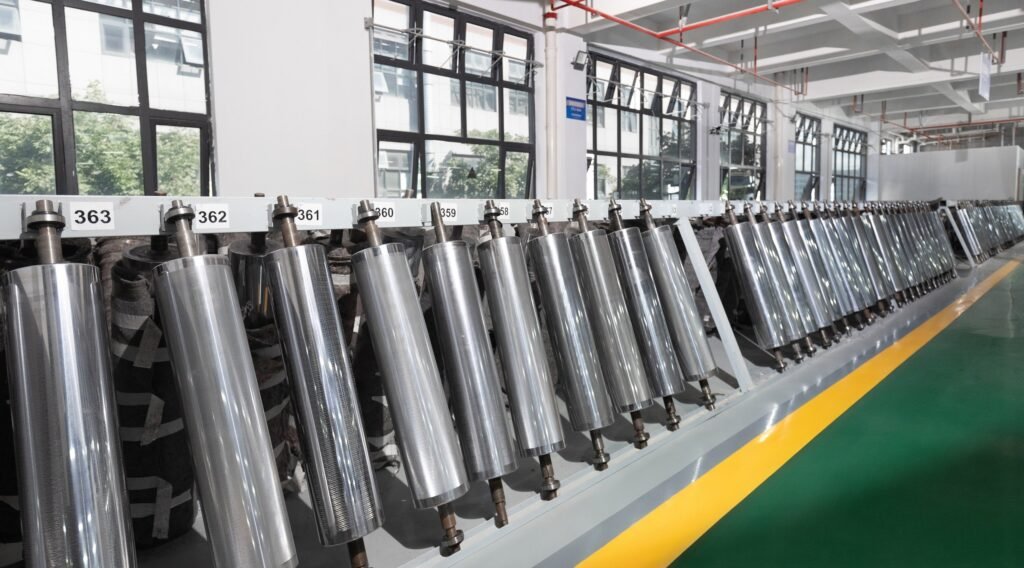
A SKU is an internal stock keeping identifier. It helps a distributor distinguish products during purchasing, storage, sales, and inventory management.
I do not recommend using long customer names or random numbers as the only product identification method. A distributor needs a consistent coding rule that employees can understand and use.
Define the Main SKU Attributes
Before creating SKU codes, I would first define the product attributes that can change the identity of an edge banding product.
These attributes may include:
- Material type.
- Decor or color code.
- Thickness.
- Width.
- Surface finish.
- Roll length or packaging unit.
Not every attribute needs to appear directly in the SKU code. However, the product database should contain all the information needed to distinguish different products.
For example, two PVC edge banding products may have the same color but different thicknesses. They should have separate SKUs because they are different stock items.
The same principle applies to different widths and materials.
Create a Standard SKU Coding Rule
I suggest using a simple combination of letters and numbers. The code should be easy to read, but it should not become too long.
Here is an example of an internal SKU structure: CT-PVC-EG123-08-22-M
This is an illustrative internal SKU code, not an official EGGER product code.
| Code | Meaning |
|---|---|
| CT | Distributor or internal brand |
| PVC | Material |
| EG123 | Customer decor reference |
| 08 | Thickness: 0.8 mm |
| 22 | Width: 22 mm |
| M | Matte finish |
This example gives warehouse and sales employees a quick way to identify the product.
However, I would keep roll length, supplier batch number, packaging unit, and customer-specific reference in separate database fields. This makes the system easier to maintain when the distributor changes packaging or suppliers.
Avoid Duplicate SKUs for the Same Product
One problem I often see in product management is that different employees create separate product records for the same item.
For example, one employee may enter a product as “White PVC 0.8 × 22 mm”, while another may enter it as “PVC White 22 × 0.8”. The names are different, but the actual product may be identical.
I recommend creating a master product database with a fixed naming rule.
| Database field | Example |
|---|---|
| Internal SKU | CT-PVC-W001-08-22 |
| Material | PVC |
| Color reference | W001 |
| Thickness | 0.8 mm |
| Width | 22 mm |
| Finish | Matte |
| Supplier | Approved manufacturer |
| Approved sample | W001-A |
| Packaging | 100 m per roll |
| Status | Active |
The distributor can also connect each SKU to several customer profiles. This is useful when multiple customers purchase the same product under different internal names.
Separate Internal SKUs from Trade Identification Codes
I also want to make one distinction clear. A distributor’s internal SKU and a GS1 GTIN are not the same thing.
An internal SKU is used to manage stock within the business. A GTIN is a standardized trade item identifier used for product identification across supply chains. GS1 explains that different product variations, such as color, size, and presentation, may require different item references.
Distributors should decide whether their business needs internal SKU codes, standardized barcodes, or both. They should not assume that creating an internal SKU automatically creates a valid GS1 identification number.
How Can Distributors Balance SKU Variety with Inventory Costs?
More product choices can help distributors win customers, but every additional SKU may create inventory pressure. Some products sell every week, while others may stay in the warehouse for several months.
I believe distributors should not try to keep every possible color and specification in stock. They should use sales records, customer demand, and replenishment lead times to decide which products deserve inventory investment.
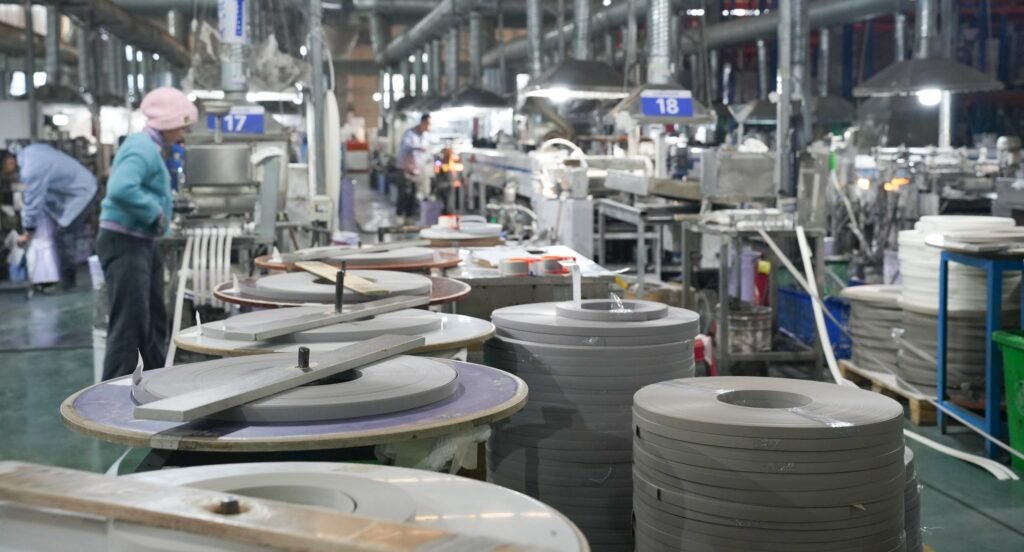
The main challenge is finding a balance between product availability and inventory cost. If distributors keep too few SKUs, customers may need to wait for special orders. If they keep too many SKUs, their capital becomes tied up in products that may not sell.
Use ABC Analysis to Set Inventory Priorities
One method I recommend is ABC inventory analysis. This method classifies products according to their relative importance, often based on sales value or another business-defined measure.
Oracle describes ABC analysis as a way to identify inventory items with different levels of importance and apply different management controls. A items receive tighter control, while B and C items can use different levels of inventory attention.
For edge banding distributors, I would apply this method as follows:
| Category | Product characteristics | Inventory strategy |
|---|---|---|
| A | High-demand colors and specifications | Maintain reliable stock and review frequently |
| B | Regular but moderate demand | Keep controlled stock and review periodically |
| C | Special colors or low-frequency specifications | Purchase according to confirmed demand |
I do not recommend using the same stock policy for every category. A distributor should spend more time monitoring products that contribute most to sales and customer satisfaction.
However, sales value should not be the only factor. Some low-volume products may be important because a key customer needs them regularly. A distributor should consider customer importance, replacement availability, and supplier lead time when making the final decision.
Separate Standard Stock from Customized Products
I would also divide the product catalog into two main groups: standard stock products and customer-specific products.
Standard products are those that several customers purchase regularly. These products are suitable for regular inventory planning.
Customer-specific products are those that serve a particular customer, project, or production requirement. These products may include special colors, uncommon dimensions, or customized packaging.
| Product type | Demand pattern | Recommended purchasing method |
|---|---|---|
| Standard PVC colors | Frequent and relatively stable | Regular replenishment |
| Common woodgrain colors | Repeated orders from several customers | Forecast-based purchasing |
| Special decor matching | Customer-dependent | Order-based purchasing |
| Unusual thickness or width | Limited demand | Confirmed-order purchasing |
| Project-specific products | Temporary demand | Project-based procurement |
This system helps distributors avoid treating every product as a regular stock item.
Calculate Reorder Points Based on Actual Demand
I think distributors should also establish reorder points for their important SKUs.
A reorder point is the stock level at which a business should start replenishing a product. A basic formula is:
Reorder Point = Average Daily Demand × Lead Time + Safety Stock
For example, if a distributor sells 100 rolls of a particular edge banding SKU every 20 working days, its average daily demand is 5 rolls.
If the supplier’s lead time is 10 working days and the distributor keeps 15 rolls as safety stock, the reorder point is 5 × 10 + 15 = 65 rolls.
This is only an example. Actual demand, working days, supplier reliability, and order patterns should determine the final figures.
I would review these values regularly. If a customer changes its furniture design or reduces production, the distributor may need to lower its purchasing quantity. If a new customer starts using the same color, the distributor may need to increase stock.
Review Slow-Moving SKUs Before Adding More Products
Another mistake is continuing to add products without reviewing existing inventory.
I recommend that distributors check slow-moving SKUs every month or quarter. They should identify products with low sales, products that have not been purchased again, and products that have become less relevant to customer demand.
However, I would not remove a product just because it has low sales. Some special products may be important for retaining a valuable customer.
The better approach is to understand why the product is not moving. It may have weak demand, an incorrect purchasing quantity, a long replenishment lead time, or a customer who has temporarily stopped production.
Distributors should make SKU decisions based on both sales performance and customer relationships.
Practical Applications for Distributors and Manufacturers
A customer-specific SKU system is not only an inventory tool. I see it as a way for distributors and manufacturers to work together more effectively.
When distributors understand their customers’ product requirements, manufacturers can receive clearer orders and prepare more suitable production plans. This can reduce specification errors, unnecessary product variations, and communication delays.
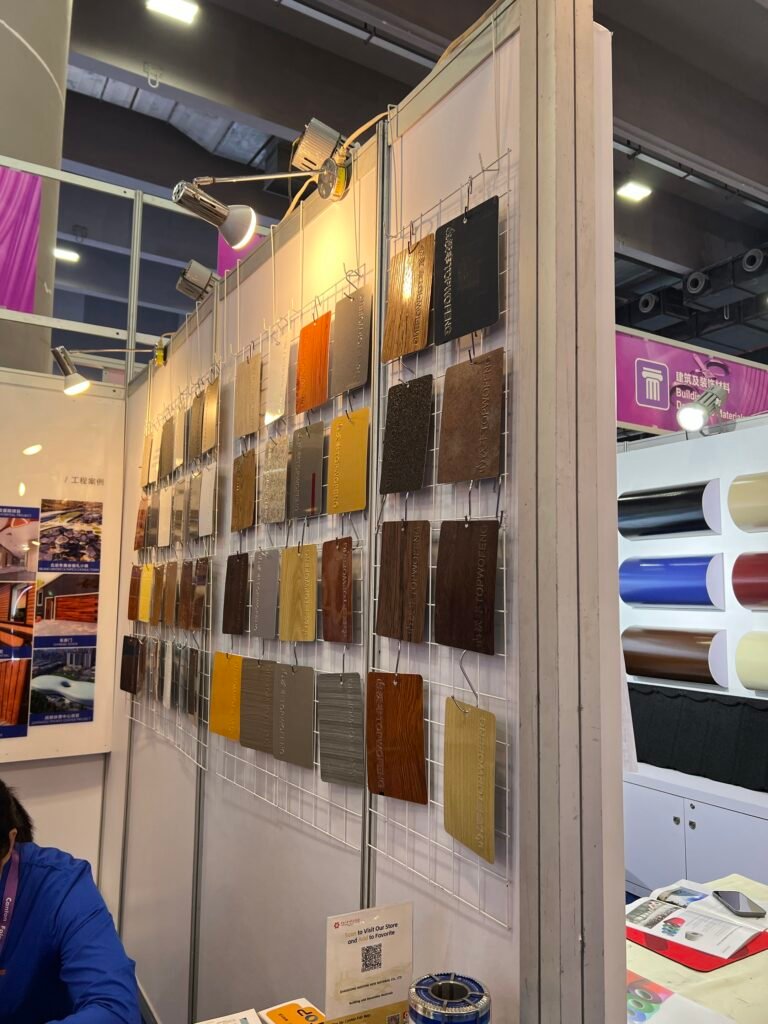
I believe the biggest value of this system comes from connecting customer information with manufacturing capabilities. A distributor may have hundreds of customer-specific requirements, but the manufacturer needs clear and standardized information to produce the correct products.
Create a Shared Product Specification Sheet
I recommend that distributors use a standard specification sheet when communicating with manufacturers.
This document should include the complete product information instead of relying on a color name or a short message.
For example:
| Specification | Required information |
|---|---|
| Product category | PVC edge banding |
| Color reference | Customer decor code |
| Material | PVC |
| Thickness | 0.8 mm |
| Width | 22 mm |
| Surface finish | Matte |
| Roll length | 100 m |
| Color sample | Approved physical sample |
| Order quantity | Required quantity |
| Delivery requirement | Requested delivery date |
This format makes it easier for the manufacturer to review the order before production.
It also gives both parties a clear reference when the customer places a repeat order. The distributor can use the same SKU and specification record instead of confirming every detail from the beginning.
Build a Shared Color and Sample Management Process
Color matching is another area where distributors and manufacturers should cooperate.
I suggest that distributors keep approved samples for important customer products. Each sample should have a reference number that connects it with the corresponding SKU.
Manufacturers should also maintain relevant production and color records where possible. When customers place repeat orders, both parties can check the previous approved reference before starting production.
For customers who require matching with decorative board brands, distributors should provide the original decor reference and physical sample whenever possible.
This process is important because color names alone do not always provide enough information. Surface texture, gloss level, material, and production conditions can affect the final appearance.
Use Manufacturer Capabilities to Expand Product Options
I do not think distributors need to manufacture every possible product themselves. They can work with manufacturers that have different materials, production capabilities, and customization options.
For example, a distributor may mainly sell standard PVC edge banding but also receive requests for ABS, acrylic, or other materials. Instead of purchasing every possible specification immediately, the distributor can first confirm the manufacturer’s production capabilities and lead time.
I would evaluate suppliers according to several factors:
- Available material types and product specifications.
- Color matching and sample approval capabilities.
- Production capacity for repeat orders.
- Minimum order quantities for customized products.
- Batch consistency and quality control.
- Packaging and delivery arrangements.
These factors help distributors decide which products can become regular SKUs and which products should remain order-based items.
My View: Build SKUs Around Customers, Not Around the Manufacturer’s Catalog
I want to emphasize one point. A manufacturer’s product catalog and a distributor’s SKU system should not be exactly the same.
A manufacturer usually organizes products according to its production range and technical specifications. A distributor needs to organize products according to customer demand, sales records, and inventory decisions.
For example, one manufacturer may produce the same woodgrain edge banding in several widths and thicknesses. However, a distributor’s customer may only purchase two of those specifications regularly.
I would not recommend that the distributor stock every available variation simply because the manufacturer can produce it.
Instead, I suggest using three levels of product management:
- Core SKUs: Products with stable demand from multiple customers. These should receive regular stock planning.
- Customer-specific SKUs: Products with clear demand from one or several identified customers. These should have complete specifications and customer references.
- Development SKUs: New colors, materials, and specifications that are still being tested. These should be evaluated through samples and initial orders before becoming regular inventory.
This approach allows distributors to offer a wider product range without holding unnecessary stock.
I also believe that manufacturers should help distributors review product demand. When a distributor shares purchasing data and future requirements, the manufacturer can better understand which products deserve regular production planning and which products need customized arrangements.
A good manufacturer should not only ask how many rolls the customer wants. It should also understand the product specifications, repeat-order requirements, and expected purchasing frequency.
For me, this is the difference between a simple supplier relationship and a long-term supply chain partnership.

A Colour Range Built Around Your Customers
20,000+ decors with matched thickness, width and finish, plus approved samples kept on file so repeat orders land on the same shade every time.
Browse the Product Range
Conclusion
Distributors should build customer-specific SKU systems around real purchasing demand, clear product specifications, inventory priorities, and reliable manufacturer cooperation to improve sales and reduce unnecessary stock.
Editorial note: The article uses EGGER Decorative Collection 24+ as the relevant 2025 collection reference. The phrase “degree of color matching” is treated as a practical description of matching quality, not an official EGGER numerical rating. The SKU coding examples and inventory calculations are illustrative management recommendations, not official industry standards.
References and Data Sources
- EGGER – Finish Match System
https://www.egger.com/en/furniture-interior-design/decorative-collection/finish-match-system
Reference for coordinating decorative boards, laminates, and edge banding by decor and surface finish. - EGGER – Decorative Collection
https://www.egger.com/en/furniture-interior-design/decorative-collection/
Reference for decorative product ranges, matching finishes, and product information. - EGGER – Edge Banding Products
https://www.egger.com/en/furniture-interior-design/range/products/edging
Reference for edge banding materials and decorative product applications. - Oracle – Overview of ABC Analysis
https://docs.oracle.com/en/cloud/saas/supply-chain-and-manufacturing/26d/faims/overview-of-abc-analysis.html
Reference for inventory classification and different levels of stock control. - ASCM – The XYZs of Inventory Management
https://www.ascm.org/ascm-insights/the-xyzs-of-inventory-management/
Reference for inventory classification and stock management strategies. - GS1 – GTIN and Barcode Identification
https://support.gs1.org/support/solutions/articles/43000734137-what-is-the-gs1-barcode-commonly-used-for-trade-item-identification-
Reference for product identification and differences between product variations. - GS1 US – Product Field Definitions
https://www.help.gs1us.org/product-field-definitions
Reference for SKU identification and product data management.