
When Does Custom Edge Banding Tooling Make Financial Sense for Furniture Manufacturers?

Custom edge banding tooling can improve production efficiency, but the initial investment can also increase manufacturing costs. Many furniture manufacturers invest in custom tooling before they have enough orders to support it. I believe custom edge banding tooling makes financial sense only when the long-term savings and production benefits can cover the initial investment. Furniture […]
How Can Edge Banding Manufacturers Handle Urgent Orders Without Disrupting Regular Production?
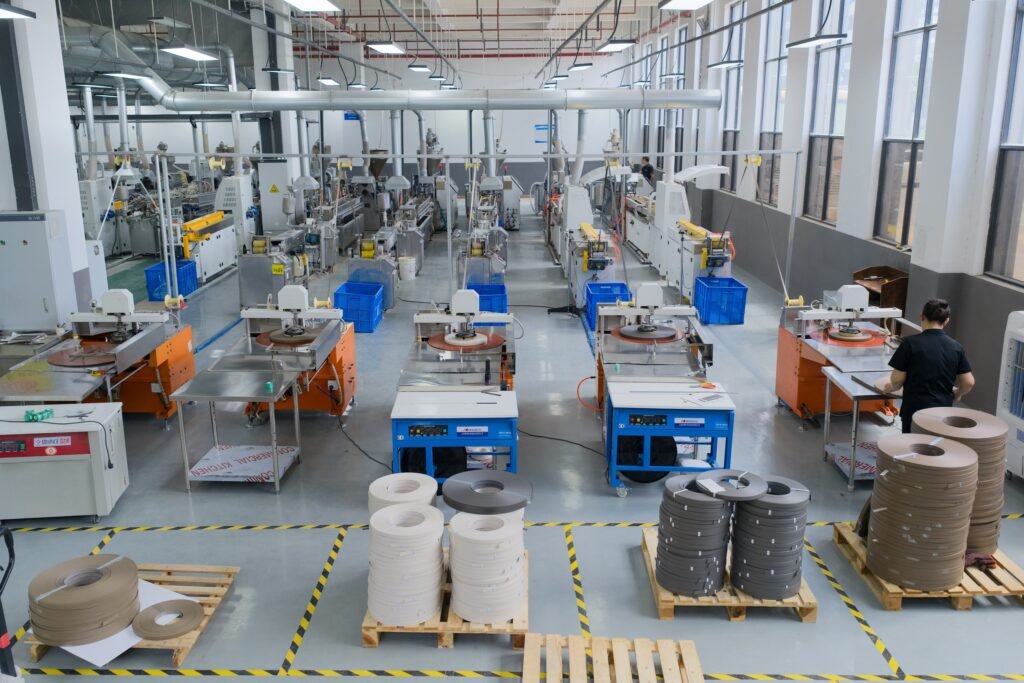
Urgent orders can help manufacturers win valuable customers, but poor planning can delay existing orders, increase costs, and damage long-term business relationships. I believe edge banding manufacturers should handle urgent orders through flexible production planning, clear order priorities, available production capacity, and strict quality control. A manufacturer should respond quickly without allowing one urgent order […]
How Do Raw Material Fluctuations Affect PVC Edge Banding Prices and Supply Stability?

Raw material prices can change quickly, but distributors cannot always adjust their selling prices at the same speed. This gap can reduce profit margins and create supply risks. I believe raw material fluctuations affect PVC edge banding through three main areas: production costs, purchasing prices, and manufacturing schedules. Buyers need to understand the materials behind […]
How Can Edge Banding Distributors Manage Seasonal Demand Without Overloading Inventory?
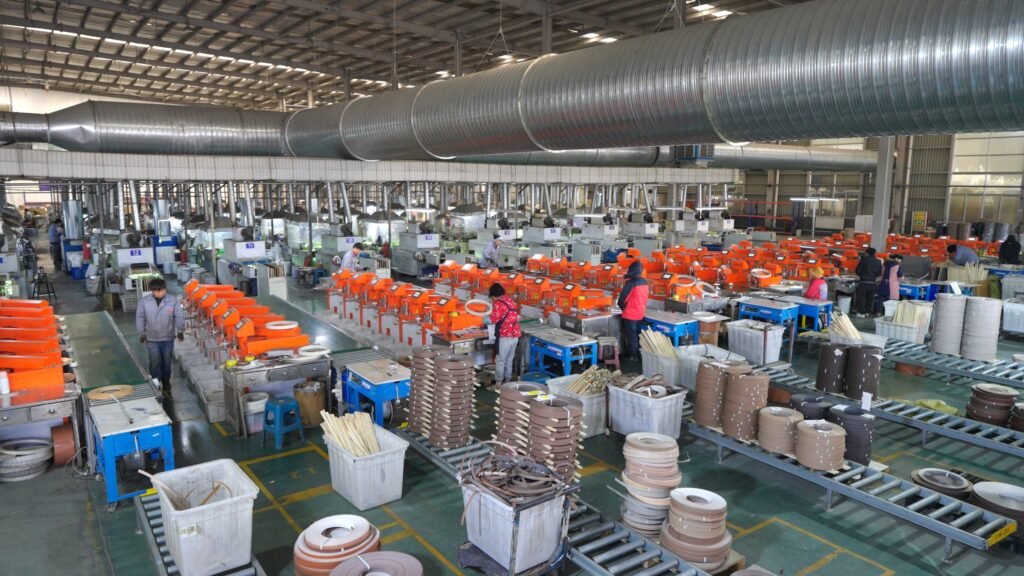
Seasonal demand can increase sales quickly, but poor stock planning can leave distributors with slow-moving products, tied-up cash, and rising storage costs. I believe distributors can manage seasonal demand by combining historical sales data, product-level stock planning, flexible purchasing, and reliable supplier support. The goal is to keep fast-moving edge banding available without buying too […]
How Can Distributors Plan Mixed-SKU Edge Banding Orders for Container Shipping?
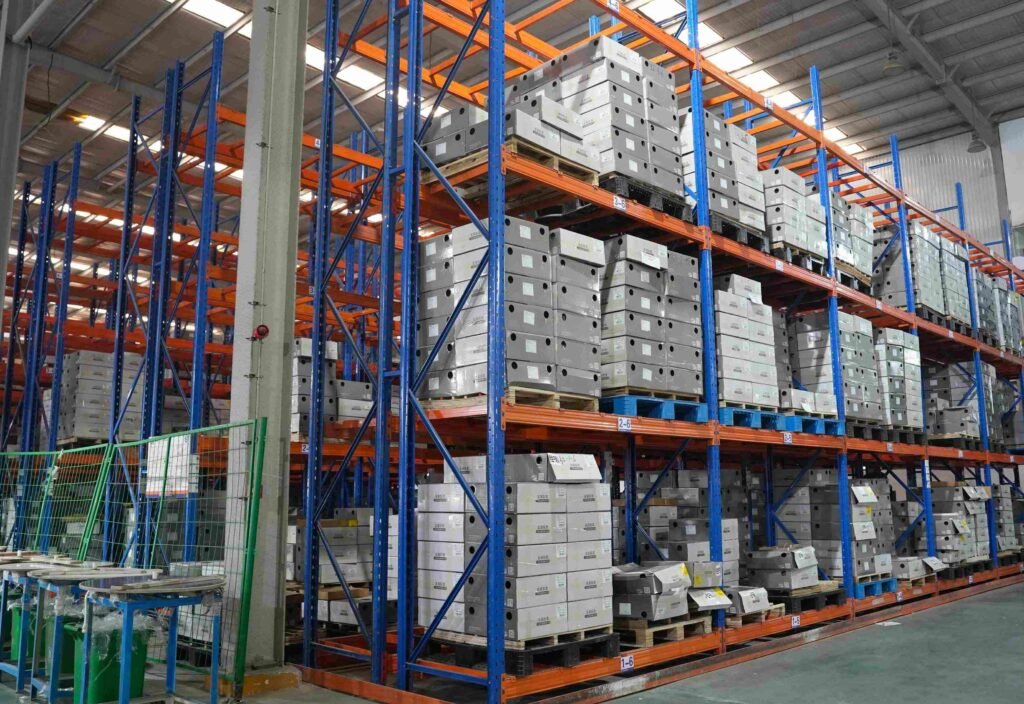
A mixed-SKU container order can help distributors serve more customers and reduce repeated shipping costs. But poor SKU planning can create excess stock, uneven inventory, and wasted container space. I recommend planning a mixed-SKU edge banding order around three things: customer demand, product specifications, and container capacity. Buyers should group SKUs by material, color, thickness, […]
How Should Buyers Specify Roll Length, Core Size, and Packing Units for Edge Banding Orders?
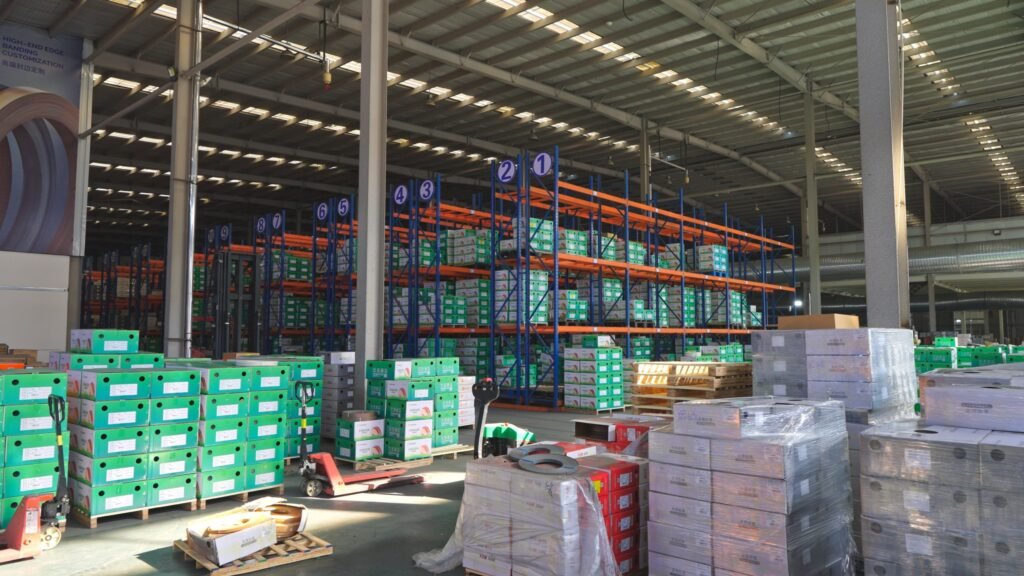
A large edge banding order can still create problems when roll length, core size, or packing units are unclear. These details affect production, storage, and shipping costs. I recommend that buyers specify the required length per roll, core dimensions, rolls per carton, cartons per pallet, and packaging details before placing an order. Buyers should also […]
How Can Distributors Build a Customer-Specific Edge Banding SKU System?
A large SKU catalog does not always mean better sales. Poor SKU planning can increase inventory costs, create slow-moving stock, and make customer orders harder to manage. I believe distributors should build a customer-specific edge banding SKU system based on actual purchasing needs, color references, material specifications, and order frequency. A clear SKU structure helps […]
How Should Edge Banding Suppliers Pack Orders for Long-Distance Sea Freight?
Poor packaging can turn a profitable edge banding order into a costly problem. Moisture, pressure, and rough handling can damage products before they reach the buyer. I recommend using moisture-resistant inner packaging, strong cartons, suitable pallets, and secure container loading. Suppliers should also adjust packaging methods to the material, order size, and shipping conditions. When […]
How Can Buyers Verify Edge Banding Compliance Before Importing?
Importing edge banding without checking chemical compliance can lead to customs delays, rejected shipments, and unexpected costs. A low purchase price means little if the product cannot enter your target market. I verify edge banding compliance by checking the destination country’s chemical regulations, reviewing the material composition, requesting valid test reports and declarations, and confirming […]
How Can Buyers Prepare an Effective RFQ for an Edge Banding Supplier?

When buyers send incomplete RFQs, suppliers often make assumptions about specifications. These gaps can lead to inaccurate quotes, production delays, and unexpected costs. To prepare an effective RFQ for an edge banding supplier, I recommend including product material, thickness, width, finish, color references, order quantity, technical requirements, and delivery expectations. Buyers should also provide panel […]
What Happens When Edge Banding Specifications Are Changed During Mass Production?

A small specification change may seem harmless, but it can create unexpected production problems. One late adjustment can affect product quality, production schedules, material costs, and delivery dates. When buyers change edge banding specifications during mass production, manufacturers may need to adjust machine settings, replace raw materials, change production plans, and inspect finished products again. […]
Why Do Some Edge Banding Distributors Win Large Orders but Still Lose Money?

Winning a large order feels like business growth. But hidden costs, weak pricing, and poor payment terms can turn a successful sale into a financial problem. Some edge banding distributors lose money because they focus on order value instead of total costs, actual profit margins, cash flow, and the risks involved in fulfilling large orders. […]