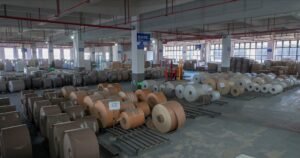

When buyers send incomplete RFQs, suppliers often make assumptions about specifications. These gaps can lead to inaccurate quotes, production delays, and unexpected costs.
To prepare an effective RFQ for an edge banding supplier, I recommend including product material, thickness, width, finish, color references, order quantity, technical requirements, and delivery expectations. Buyers should also provide panel samples when color matching or processing compatibility matters.

When I receive an inquiry from an overseas distributor, I do not only look at the requested price and quantity. I also need to understand how the buyer plans to use the edge banding, which panels they want to match, and what quality level their customers expect. A clear RFQ helps me understand these details before production starts. It also helps both sides avoid problems that could affect the final order.
What Information Does an Edge Banding Supplier Need Before Preparing a Quote?
An incomplete RFQ can make even a simple order difficult to quote. Buyers may think that a product name and estimated quantity are enough, but suppliers need more information to calculate the actual cost.
When I review an RFQ, I first check whether the buyer has provided enough information to identify the exact product.
A complete RFQ should include material, dimensions, color, surface finish, quantity, packaging requirements, destination, and expected delivery time. These details help an edge banding supplier calculate costs and confirm production feasibility.
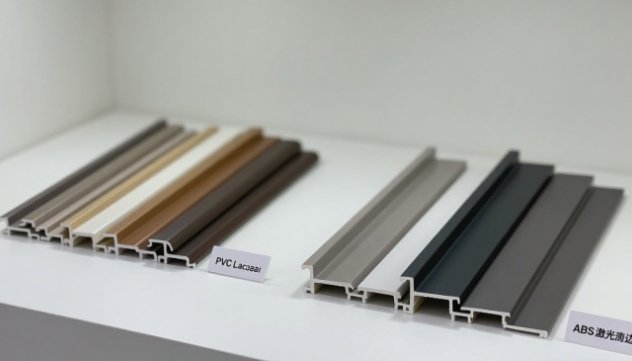
1. Product Material and Product Type
The first thing I want to know is which material the buyer needs.
PVC, ABS, acrylic, PP, and wood veneer edge banding have different material characteristics and production requirements. Their costs can also be different.
For example, a buyer who requests PVC edge banding should not simply write “plastic edge banding” in the RFQ. This description does not tell me the exact material or product requirements.
I suggest buyers identify the material clearly and provide the intended application.
| Information | Example |
|---|---|
| Material | PVC |
| Product type | PVC edge banding |
| Application | Cabinet panels |
| Color | Solid white |
| Surface | Matte |
| Back treatment | Primer coating |
2. Dimensions and Order Quantity
I also need exact dimensions before preparing a quotation.
Edge banding width and thickness are two different measurements. Width determines how much of the panel edge the material covers. Thickness affects the finished edge appearance, processing requirements, and material consumption.
For example, a buyer may request 22 mm × 1 mm PVC edge banding. I understand this as 22 mm width and 1 mm thickness.
Buyers should also state the expected order quantity. I need to know whether the order is measured in meters, rolls, or another unit.
The quantity matters because different order sizes may require different production arrangements, packaging methods, and shipping plans.
3. Color, Finish, and Packaging Requirements
Color and surface finish are also important.
A buyer may request a white edge band, but white can have many different shades. The same issue applies to wood grain, grey, black, and other popular colors.
I recommend providing a color code, reference image, or physical sample whenever possible.
Buyers should also explain whether they need matte, gloss, embossed, or another surface finish.
Packaging is another detail that buyers should not ignore. Roll length, roll labeling, carton size, and private-label requirements can affect the final quotation.
4. Quantity, Destination, and Delivery Time
I also need the commercial details.
A buyer should tell me the estimated quantity, delivery destination, preferred shipping method, and expected delivery date.
For overseas orders, I also need to understand whether the buyer expects an EXW, FOB, CIF, or another Incoterm quotation.
These terms affect which costs are included in the quoted price. If buyers compare quotations without checking the same delivery terms, they may misunderstand the actual cost.
I do not expect every new buyer to know every technical detail. However, I do expect the RFQ to provide enough basic information for us to start a useful discussion.
How Do Material, Thickness, Width, and Finish Affect Supplier Pricing?
Two edge banding products can look similar but have very different production costs. Buyers who only compare prices per meter may overlook important differences.
When I calculate an edge banding quotation, I consider the material, dimensions, surface treatment, production requirements, and order quantity. Each factor can change the cost of the final product.

1. Material Selection Changes the Cost Structure
Different materials have different raw material costs and processing requirements.
For example, PVC is widely used in furniture manufacturing because it offers a practical balance between cost, appearance, and processing performance.
ABS is another option. Some buyers choose it based on their product requirements and material preferences.
Acrylic edge banding is often selected for furniture that needs a particular visual effect, such as a high-gloss appearance.
I do not recommend choosing a material only because its initial quotation is lower. Buyers should also consider the final application, processing performance, and customer expectations.
2. Thickness and Width Affect Material Consumption
Thickness and width directly affect the amount of raw material required for production.
For the same material and production conditions, a wider or thicker product generally requires more material.
For example, consider two PVC edge banding products:
- Product A: 22 mm × 0.8 mm.
- Product B: 22 mm × 2 mm.
Both products have the same width, but Product B uses more material because of its greater thickness.
The same principle applies to width. A 30 mm edge band generally requires more material than a 22 mm edge band when other conditions are equal.
However, I do not calculate the final price from dimensions alone. Material formulation, surface treatment, production efficiency, and order quantity also matter.
3. Surface Finish Can Add Production Requirements
Surface finish is another factor that buyers should include in their RFQs.
A standard matte finish and a special embossed or high-gloss finish may require different production arrangements.
Some decorative finishes also need additional attention during color matching and quality inspection.
For example, a wood grain edge band should not only match the general color of the panel. Its pattern, texture, and visual effect also need to work with the panel surface.
If buyers request a special finish, I need to confirm whether the finish is already available or requires additional development.
This can affect sampling time, production planning, and the final quotation.
4. Why Should Buyers Compare the Same Specifications?
I often see buyers compare quotations from different suppliers without checking whether the specifications are identical.
This creates an unfair price comparison.
The following table shows why buyers should review each item before making a decision.
| Cost factor | Possible effect on quotation |
|---|---|
| Material | Different raw material costs |
| Thickness | Different material consumption |
| Width | Different material consumption |
| Surface finish | Additional processing requirements |
| Color matching | Sampling and development costs |
| Order quantity | Production efficiency and setup costs |
| Packaging | Different packing materials and labor |
I suggest buyers use one specification sheet when requesting quotations from multiple suppliers.
This allows them to compare the same material, dimensions, finish, quantity, and delivery terms.
A lower quotation does not always mean a better purchasing decision. I would rather help a buyer confirm the right product first than provide a low price based on unclear requirements.
Why Should Buyers Provide Panel Samples and Technical Requirements?
A product specification can describe the basic dimensions of edge banding, but it cannot always show how the product will look or perform on an actual furniture panel.
This is especially important when buyers need custom colors, wood grain patterns, or specific processing results.
I believe physical samples are one of the most useful tools in communication between buyers and an edge banding supplier.
Buyers should provide panel samples, color references, machine information, and processing requirements when appearance or production compatibility is important. Suppliers can then evaluate color matching and product performance before mass production.

1. Color Matching Needs a Real Reference
A digital image is useful for the first discussion, but it is not always reliable for final color approval.
Screen brightness, lighting conditions, image compression, and camera settings can all affect how a color appears.
For example, a buyer may send me a photograph of a light oak furniture panel. The image helps me understand the general color direction, but it does not provide enough information for accurate production approval.
I prefer to receive a physical panel sample or an established color reference.
The importance of clear color approval can also be seen in real furniture industry specifications.
Vitra’s product requirements for melamine-faced boards, for example, specify CIE L*a*b* color measurement and D65 and F11/TL84 lighting conditions. Its particular requirements include a ΔE tolerance of 1. This is an example of a specific company’s acceptance criteria, not a universal requirement for every edge banding order.
Source: Vitra Product Requirements for Melamine Faced Boards.
This example shows why buyers should define their own color acceptance requirements instead of simply asking suppliers to provide a matching color.
2. Panel Samples Help Confirm the Final Appearance
When I receive a panel sample, I can use it as a reference during color matching and sample development.
I recommend buyers check several details:
- Whether the edge banding matches the panel color.
- Whether the surface texture looks suitable.
- Whether the gloss level is consistent with the panel.
- Whether the wood grain pattern looks natural when the two materials are placed together.
- Whether the finished edge looks acceptable after trimming.
Buyers should not approve a product only by looking at a loose roll of edge banding.
The final appearance may change after the material is applied to the panel and processed by an edge banding machine.
I suggest testing the sample under the same or similar conditions used in actual production.
3. Machine and Processing Requirements Matter
A product may look correct but still create problems during processing.
For example, the machine temperature, feeding speed, pressure, adhesive type, and trimming settings can affect the final result.
When I discuss technical requirements with a furniture factory or distributor, I want to know how the edge banding will be used.
Some useful questions include:
| Technical information | Why I need it |
|---|---|
| Machine type | To understand processing conditions |
| Processing method | To confirm product suitability |
| Adhesive type | To understand bonding requirements |
| Working temperature | To discuss processing compatibility |
| Feeding speed | To understand production conditions |
| Trimming method | To evaluate the finished edge |
I do not assume that one edge banding product will perform in exactly the same way on every machine.
If a buyer has specific machine requirements, I recommend sharing them before sample approval.
4. Technical Requirements Should Be Written Down
Another problem I often notice is that buyers and suppliers discuss technical details through emails or instant messages, but they do not put the final requirements into one approved document.
This can create confusion when the order enters mass production.
The buyer may remember one thickness, while the production team follows another version of the specification.
I recommend recording the approved material, dimensions, color reference, surface finish, and acceptance criteria in a written document.
The same document should be used during quotation, sample approval, and purchase order confirmation.
ISO 9001 provides guidance on purchasing information and supplier communication. It emphasizes that buyers should clearly communicate their requirements and any necessary approval or inspection arrangements to suppliers.
Reference: ISO – How Does ISO 9001 Help You Select a Supplier?.
For me, this is not just paperwork. It is a practical way to reduce misunderstandings between the purchasing team, supplier, and production team.
How Can a Complete RFQ Help Buyers Get More Accurate Quotes?
A complete RFQ does more than help suppliers calculate prices. It also creates a clear starting point for communication, sampling, production planning, and order confirmation.
When I receive a detailed inquiry, I can spend less time asking basic questions and more time evaluating the actual requirements.
A complete RFQ helps an edge banding supplier identify the correct product, calculate production costs, confirm technical feasibility, and provide a quotation based on clear requirements.

1. It Reduces Repeated Communication
An incomplete inquiry often creates a long communication process.
I may need to ask about the material first, then confirm the thickness, and then ask for the color reference.
After that, I may still need to confirm the quantity and packaging requirements.
Each missing detail adds another step.
For example, if a distributor requests a quotation for 10,000 meters of PVC edge banding but does not provide the thickness, width, or color, I cannot prepare a reliable final quotation.
I can provide an initial discussion or estimated price range, but I still need the missing specifications before confirming the actual offer.
A complete RFQ helps both sides start from the same information.
2. It Helps Suppliers Identify Production Risks Earlier
Not every product requirement can be handled through standard production.
Some orders involve special colors, unusual dimensions, custom finishes, or additional quality requirements.
These details may affect raw material preparation, production scheduling, sampling, and delivery time.
I prefer to identify these requirements before the order is confirmed.
For example, if a distributor needs a special color that is not part of the supplier’s existing color range, the supplier may need to arrange color development and sample approval.
If this requirement is discovered after production planning, it may affect the original delivery schedule.
An effective RFQ gives suppliers an opportunity to identify these issues early.
3. It Makes Supplier Quotations Easier to Compare
A buyer may receive three quotations for what appears to be the same edge banding product.
However, the suppliers may have used different assumptions.
One supplier may quote standard PVC material, while another may include a special surface finish. One quotation may include customized packaging, while another may not.
I recommend creating a quotation comparison sheet.
| Comparison item | Supplier A | Supplier B | Supplier C |
|---|---|---|---|
| Material | Confirm | Confirm | Confirm |
| Thickness | Confirm | Confirm | Confirm |
| Width | Confirm | Confirm | Confirm |
| Color | Confirm | Confirm | Confirm |
| Surface finish | Confirm | Confirm | Confirm |
| Unit price | Compare | Compare | Compare |
| MOQ | Compare | Compare | Compare |
| Lead time | Compare | Compare | Compare |
| Packaging | Confirm | Confirm | Confirm |
| Shipping terms | Confirm | Confirm | Confirm |
Buyers should also check whether the quoted prices use the same currency, measurement unit, and Incoterm.
This is important because a quotation based on EXW terms cannot be directly compared with a quotation based on CIF terms without considering the additional costs.
4. It Creates a Better Basis for Sample Approval and Mass Production
I believe the most important part of an RFQ is that it should continue to be useful after the quotation stage.
The approved specifications should become the reference for sample approval and mass production.
I suggest buyers follow this process:
- Prepare the RFQ with complete product and commercial information.
- Send the RFQ to the selected edge banding suppliers.
- Review quotations and confirm technical feasibility.
- Request samples for important colors or special specifications.
- Test the samples on the actual furniture panels.
- Confirm the final specifications and acceptance criteria.
- Issue the purchase order based on the approved requirements.
The European standard EN 14322:2021 covers surface requirements and dimensional tolerances for melamine-faced boards used in interior applications. Although it is a board standard rather than an edge banding standard, it shows why buyers need to consider the actual panel requirements when preparing their edge banding specifications.
Reference: Swedish Institute for Standards – SS-EN 14322:2021.
I do not recommend moving directly from an estimated quotation to mass production when the product has special color or technical requirements.
The sample approval stage gives both sides a chance to confirm that the product meets the agreed requirements.
5. My View: A Good RFQ Should Help Both Sides Make Better Decisions
From my experience in the edge banding industry, I do not think a good RFQ should focus only on getting the lowest price.
A buyer needs to understand what they are purchasing. A supplier needs to understand what they are expected to produce.
If the buyer only provides a product name and quantity, the supplier may have to make assumptions. These assumptions can create differences between the quotation and the buyer’s actual expectations.
I would rather receive a detailed inquiry from a buyer who is still comparing suppliers than receive a simple inquiry that leads to misunderstandings later.
For distributors, this is especially important. They may purchase the same product repeatedly and supply it to different furniture factories. A small difference in color, dimensions, or surface finish can affect their customers’ production and create additional costs.
That is why I encourage buyers to treat the RFQ as the first technical document in the purchasing process, not just a request for a price.
When both sides understand the same requirements, it becomes easier to discuss samples, production capacity, quality control, delivery schedules, and long-term cooperation.

Send Us the Full Spec
Material, thickness, width, colour code, quantity and destination — send the complete RFQ and our team returns a specification-based quotation within one working day.
Request a Quotation
Conclusion
A clear RFQ helps buyers get accurate quotations, reduce purchasing risks, and build more reliable cooperation with an edge banding supplier. Prepare the specifications before requesting a price.
References and Data Sources
- International Organization for Standardization (ISO) – How Does ISO 9001 Help You Select a Supplier?
https://www.iso.org/iso/pub100304.pdf - Swedish Institute for Standards (SIS) – SS-EN 14322:2021: Wood-Based Panels – Melamine Faced Boards for Interior Uses.
https://www.sis.se/en/produkter/wood-technology/woodbased-panels/general/ss-en-143222021/ - Vitra – Product Requirements for Melamine Faced Boards (VN 02.011).
https://static.vitra.com/media/asset/2606382/storage/master/download/VN-02011%2520Product%2520requirements%2520for%2520melamine%2520faced%2520boards.pdf - International Organization for Standardization (ISO) – ISO 9001:2015 Quality Management Systems.
https://www.iso.org/standard/62085.html