
What Should Furniture Manufacturers Check When Switching Between Different Edge Banding Adhesive Systems?
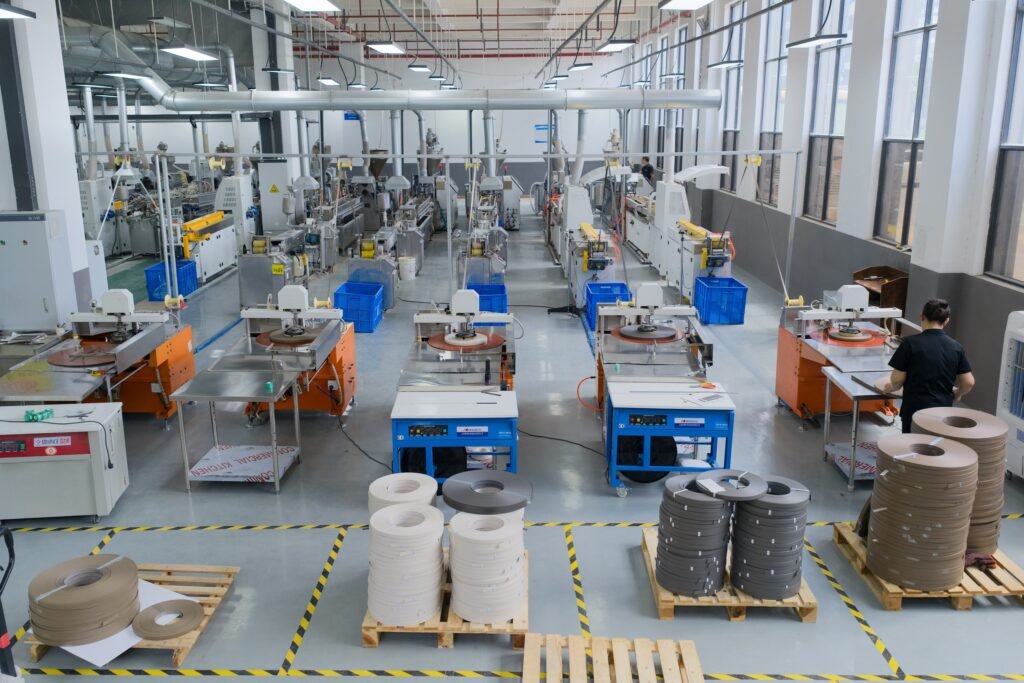
Changing an edge banding adhesive system may seem simple, but one wrong setting can cause poor bonding, visible glue lines, and production waste. I recommend checking adhesive compatibility, machine conditions, processing parameters, bonding quality, and cleaning requirements before changing any edge banding adhesive system. Manufacturers should run controlled production trials before approving the new system […]
How Can Furniture Factories Reduce Color Changeover Time in Edge Banding Production?
Frequent color changes can slow down edge banding production, increase labor costs, and delay orders. Poor planning often makes this problem worse. Furniture factories can reduce color changeover time by grouping similar orders, preparing materials before production stops, standardizing machine settings, and working with reliable edge banding suppliers. A clear changeover process can reduce downtime […]
How to Choose Edge Banding Glue: EVA, PO or PUR?
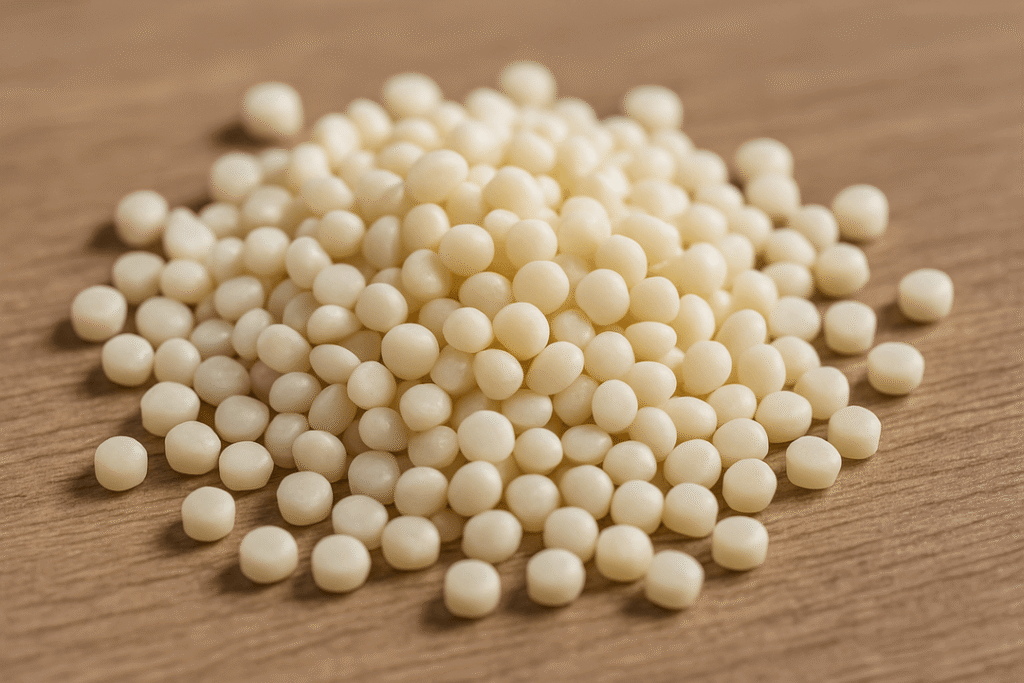
Furniture factories usually choose edge banding glue from three hot-melt families: EVA for everyday indoor work, PO when better heat or moisture resistance is needed on standard machines, and PUR when the furniture will face water, heat or heavy use. The right type depends on the edge banding machine, the panel and edge material, and […]
Why Does Edge Banding Perform Differently on Different Edgebanding Machines?
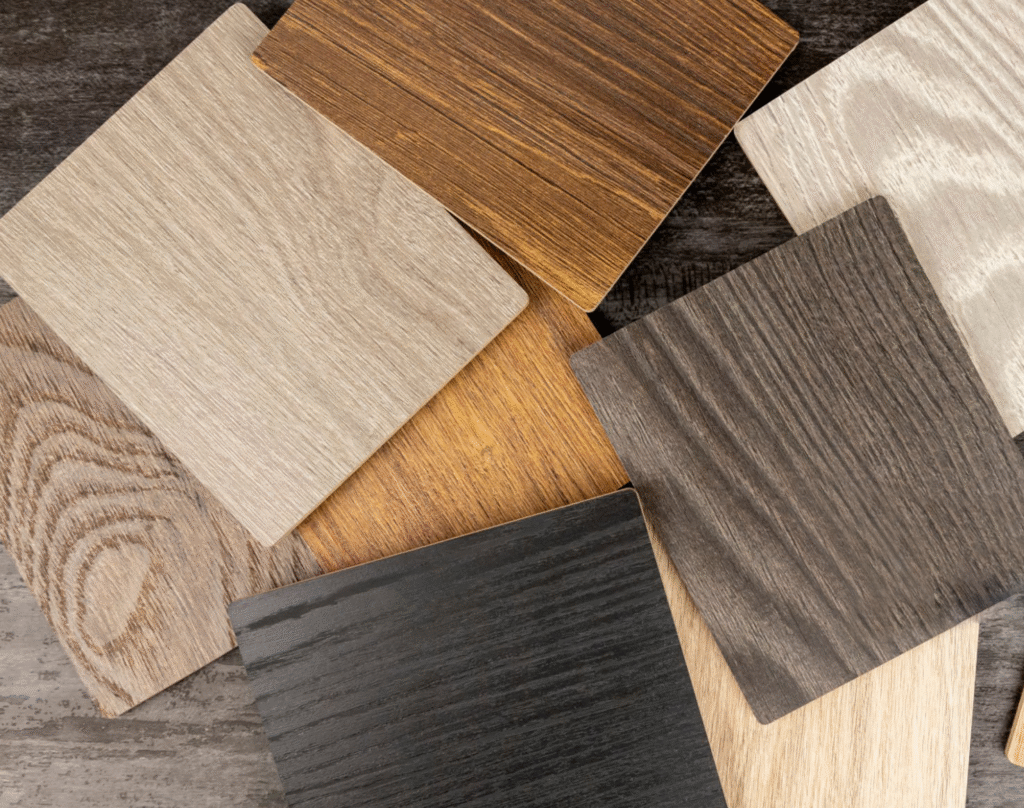
A good edge banding result on one machine may fail on another. Poor adhesion, uneven trimming, and visible gaps can increase waste and slow production. I find that edge banding performance depends on more than the edge banding material itself. Machine design, feed speed, temperature, pressure, adhesive type, and tool condition all affect the final […]
Why Is Zero-Joint Edge Banding Difficult to Achieve on Dark and High-Gloss Panels?
A tiny edge joint can be easy to ignore on a light matte panel, but the same joint can become very obvious on a dark or high-gloss panel. Zero-joint edge banding is difficult on dark and high-gloss panels because these surfaces reveal small differences in color, gloss, texture, pressure, and machining quality. The material, functional […]
Why Does the Same PVC Edge Banding Perform Differently on Different Edge Banding Machines?

I have seen the same PVC edge banding produce clean edges on one machine but show lifting, poor trimming, or uneven bonding on another. The same PVC edge banding can perform differently because machine speed, temperature, pressure, adhesive system, and processing conditions change how the material is applied. When I work with furniture manufacturers, I […]
Laser vs Hot Air vs PUR Edge Banding: Which Technology Makes Sense for Different Furniture Manufacturers?
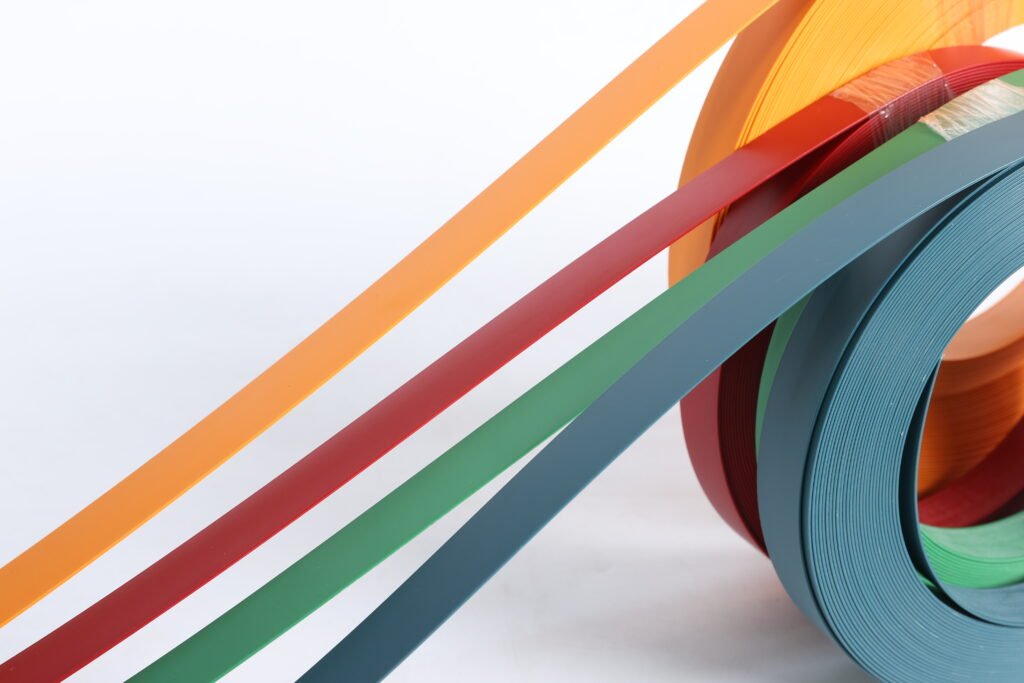
Choosing the wrong edge banding technology can increase equipment costs without improving the furniture your customers actually buy. Laser, hot air, and PUR can all produce high-quality edges, but the right choice depends on production scale, appearance requirements, budget, and furniture application. When I discuss edge banding technology with furniture manufacturers, I try not to […]
Can PVC Edge Banding Be Used on Curved Furniture Panels?

Curved furniture looks better, but edge finishing becomes harder. A wrong edge band can crack, lift, or lose its shape during production. Yes. PVC edge banding can be used on curved furniture panels when the edge band thickness, flexibility, bending radius, adhesive, and processing method match the panel design. When I talk with furniture manufacturers […]
How to Reduce PVC Edge Banding Waste During Furniture Production
I have seen furniture manufacturers lose material through poor planning, wrong sizes, machine settings, and quality defects that look small but add up quickly. I reduce PVC edge banding waste by choosing suitable sizes, planning cutting lengths, controlling machine settings, reducing defects, and tracking material efficiency. When I look at edge banding waste, I do […]
Problems and Solutions for Glue Failing to Bond Boards

Glue bonding failure is a hidden problem in furniture production. It often starts small but grows into serious production loss and customer complaints. Many factories think glue is a simple material choice. But I see it as a system problem. Small mistakes in glue bonding create large damage later. Weak bonding affects structure, appearance, and […]
Why Zero-Joint Edge Banding Is Becoming the New Industry Standard
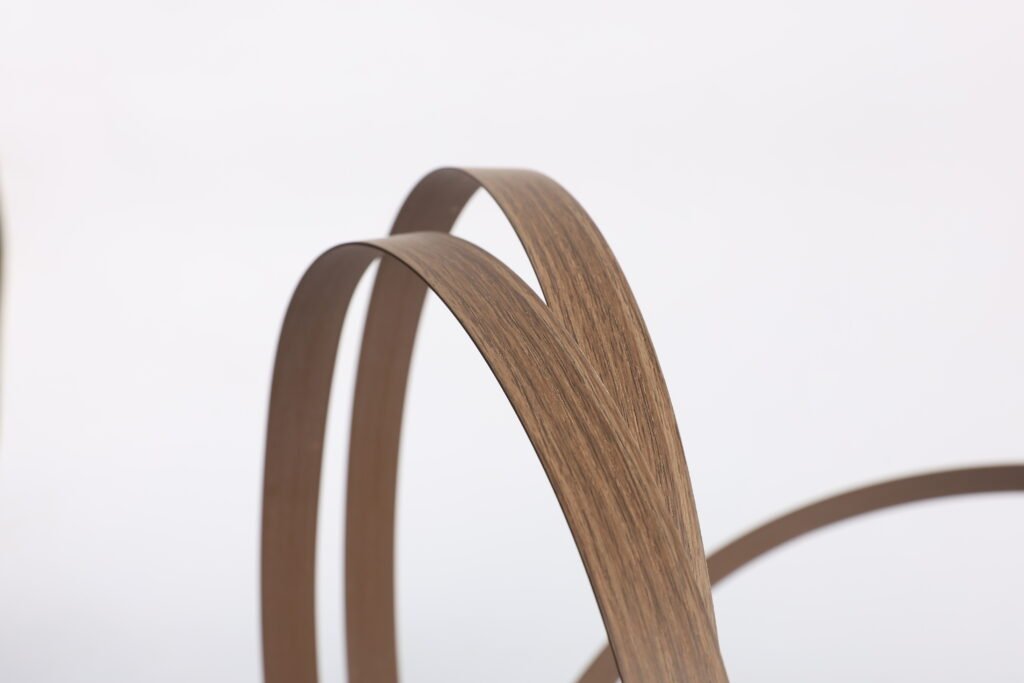
Furniture buyers today notice every small detail. Many traditional edge banding lines are still visible. This creates quality concerns and reduces the premium feel of furniture. Zero-joint edge banding is becoming the new industry standard because it creates seamless edges, improves moisture resistance, increases durability, and helps manufacturers meet growing demand for high-end furniture with […]
Laser Edge Banding vs Traditional Edge Banding: Market Demand Trends
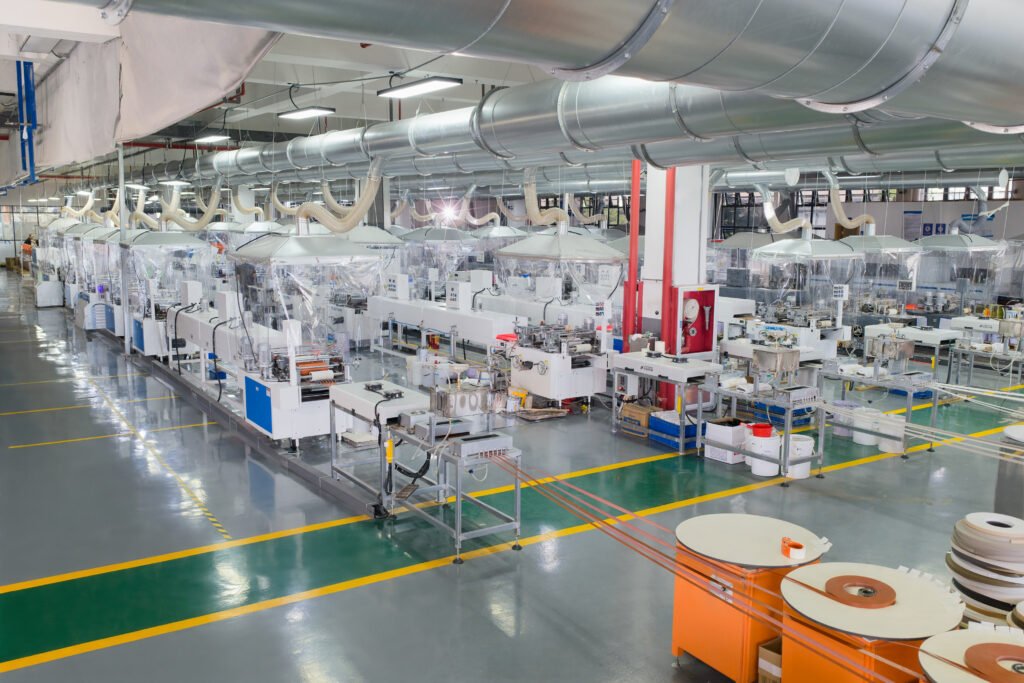
Customer expectations are rising. Traditional edge banding methods often show glue lines and limited durability. Laser edge banding promises seamless quality, but many distributors hesitate due to cost and market uncertainties. Laser edge banding offers a seamless finish, high durability, and efficiency advantages over traditional edge banding, and its demand is increasing while traditional methods […]